
Solar Eclipse 2026: Where to Watch in Europe
The total solar eclipse of 12 August 2026 crossed western Iceland and northern Spain at sunset, the first over mainland Europe since 1999. If you missed it, the next is on 2 August 2027 across southern Spain, North Africa and Arabia, with up to 6 minutes 23 seconds of totality, one of the longest of the century.
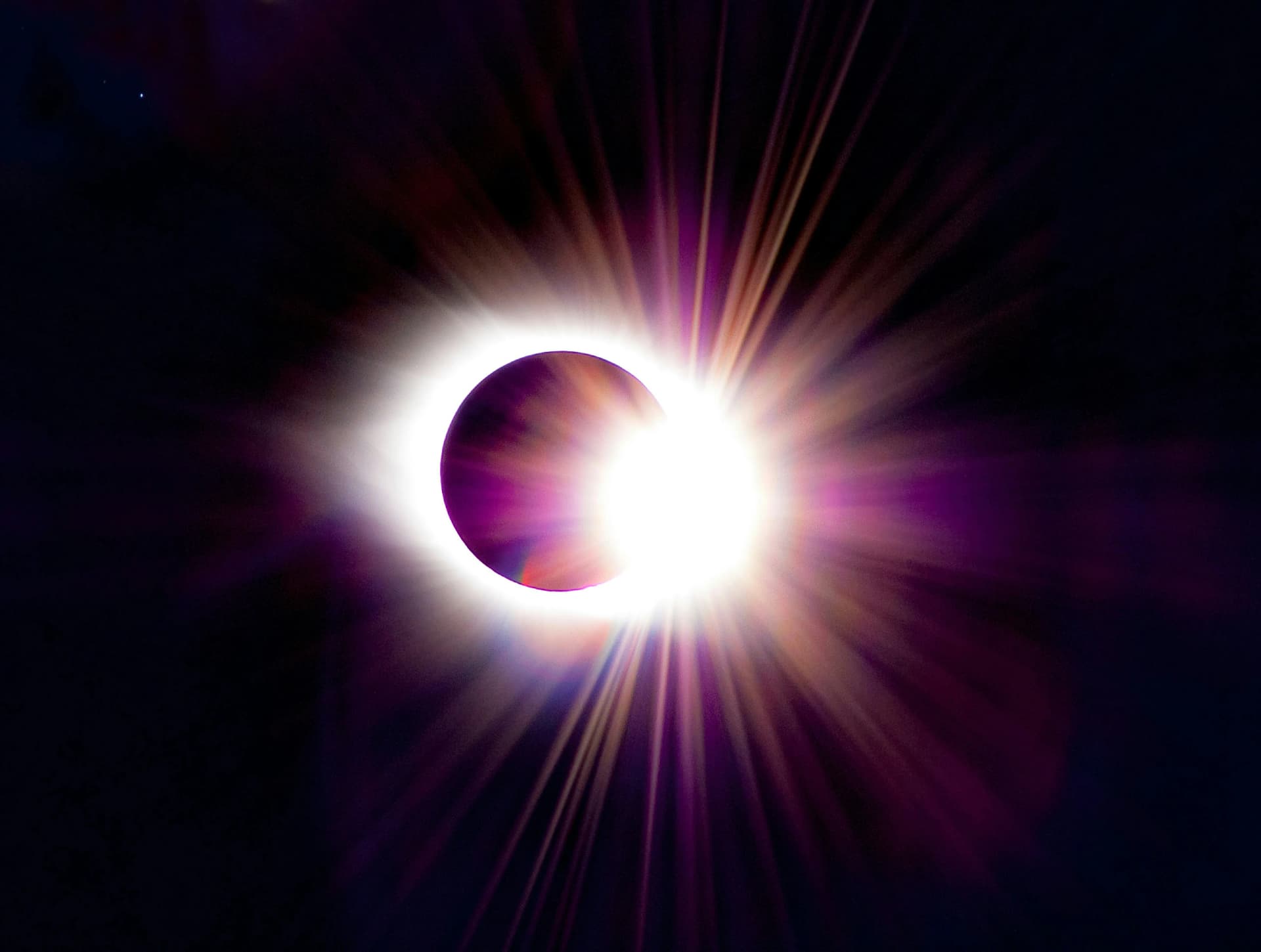
Where to Watch the Total Solar Eclipse in Europe
On 12 August 2026 a total solar eclipse crossed Europe, the first over the mainland since 1999. The path of totality clipped western Iceland, then swept across northern Spain from the Atlantic coast to the Mediterranean and out over the Balearic Islands. Everywhere else in Europe saw a partial eclipse. In Spain totality landed in the evening with the Sun very low in the sky, so where you stood, and how clear your western horizon was, mattered more than usual. Cloud and evening rain caught out some watchers in Iceland, while inland northern Spain gave the clearest views. If you missed it, the good news is that the next total solar eclipse is only a year away.
Missed it? The next total solar eclipse is 2 August 2027
The next total solar eclipse falls on 2 August 2027, and it is a far bigger event than 2026. The path of totality crosses southern Spain and Gibraltar, then Morocco, Algeria, Tunisia, Libya and Egypt before reaching Saudi Arabia and Yemen. For European travellers, southern Spain around Cadiz, Malaga and the Costa del Sol is the most accessible spot inside the path.
What makes 2027 special is the length. Totality lasts up to 6 minutes and 23 seconds near Luxor in Egypt, one of the longest total eclipses of the century, against just over 2 minutes in 2026. The path also runs through some of the most reliably clear August skies anywhere, so if 2026 clouded out on you, 2027 is the one to plan for.
When and where is the 2026 total solar eclipse?
The eclipse falls on 12 August 2026. The narrow path of totality, roughly 290 km wide as it crosses Spain, runs from northeastern Siberia over Greenland, clips the western edge of Iceland, then crosses the North Atlantic to make landfall on Spain's north coast and cut diagonally across the country to the Mediterranean and the Balearics. The greatest duration, about 2 minutes 18 seconds, happens out over the ocean near the Denmark Strait between Greenland and Iceland. On land you are looking at roughly 1 to 2 minutes of totality depending on how close you are to the centre line.
Only two European countries sit in the path of totality: Iceland and Spain (including Mallorca and a sliver of far northwestern Portugal). If you want to see the Sun completely disappear rather than a partial bite, you need to be inside that band. Outside it, most of Europe, from the UK to Italy, sees a partial eclipse only.
The catch: in Spain it happens at sunset
This is not a midday eclipse for Spain. Totality arrives around 8:26 to 8:31 pm local time (CEST), shortly before sunset, with the Sun sitting very low, often no higher than about 10 degrees above the horizon and as little as 2 to 3 degrees on Mallorca. That has one practical consequence that decides everything: you need a flat, unobstructed view low to the west and northwest. A hill, a building or a line of trees in that direction can hide the whole event. Pick a spot with an open western horizon, ideally a west-facing coast, a plain, or high ground looking out over lower land.

Best places to watch in Spain
Spain is where most European eclipse chasers will head, because it combines the longest easily reached totality with the best odds of clear skies. Rough totality durations by region:
Asturias and Cantabria (north coast): Oviedo and Gijon sit close to the centre line for nearly the Spanish maximum, around 1 minute 45 seconds. West-facing beaches here give you a clean ocean horizon, though the north coast carries more cloud risk than inland.
Castilla y Leon (inland north): Leon and Burgos both get around 1 minute 45 seconds, Valladolid about 1 minute 28, and Segovia closer to 1 minute. Wide, open plains make finding a clear low horizon easy.
Aragon and the Ebro Valley: Zaragoza sits between the edge and centre line for about 1 minute 24 seconds. This region has the best clear-sky odds in the whole path, which for a low-Sun eclipse can matter more than a few extra seconds of totality.
Valencia and Castellon (Mediterranean coast): Castellon de la Plana gets about 1 minute 34 seconds and Valencia around 1 minute. Good access and warm evenings, but you are looking inland to the west here, not out to sea.
Mallorca (Balearic Islands): The centre line crosses the island, and S'Arenal near Palma gets about 1 minute 36 seconds. The trade-off is an extremely low Sun, only 2 to 3 degrees up, so you must be on the west or south coast with nothing between you and the horizon.
Want to see where your money actually goes? BudgetBro tracks it in any currency, free.
Watching from Iceland
Iceland is the other option, and it has one big advantage: the Sun is much higher, around 25 degrees, so you are far less dependent on a perfect horizon. Reykjavik gets about 1 minute of totality, and the Snaefellsnes Peninsula on the west coast reaches around 2 minutes 8 seconds, close to the day's maximum on land. The downside is weather. Western Iceland averages 70 to 80 percent cloud cover in August, so it is the scenic but risky choice. There is also a dedicated festival built around it, covered in our guide to the Iceland Eclipse 2026 festival tickets and dates.
So close but not quite: Madrid and Barcelona
Both big cities just miss out. Madrid reaches about 99.98 percent coverage and Barcelona about 99.85 percent, which sounds like almost the same thing but is not. Even one percent of the Sun left uncovered keeps the sky bright and hides the corona entirely. If you are basing yourself in either city, treat the eclipse as a day trip: it is well under two hours by car or train to reach genuine totality, and the difference between 99 percent and 100 percent is the difference between a dimming afternoon and the actual event.
Clear-sky odds: how to pick your exact spot
Because the Sun is so low, thin cloud near the horizon can spoil an otherwise clear day. Average August cloud cover along the path, best to worst:
Ebro Valley (Aragon): below 30 percent cloud, the best overall odds in the path.
Central Meseta (inland Spain): around 35 percent, still strong.
Balearic Islands: 30 to 40 percent, but with real horizon risk given how low the Sun sits.
Iceland: 70 to 80 percent on average, the biggest gamble despite the higher Sun.
The practical move is to stay mobile. Base yourself somewhere central in the path, keep an eye on the forecast in the final days, and be ready to drive an hour or two toward the clearest sky on the morning of the 12th. Eclipse chasers do this routinely, and a flexible plan beats a fixed one.
Budget tips for an eclipse day trip
Book accommodation early: towns on the centre line fill up and prices climb as the date nears. Staying in a larger city nearby and driving out on the day is often cheaper and keeps your options open for chasing clear skies.
Go inland for value: Castilla y Leon and Aragon are cheaper than the coasts and the Balearics, and they have both longer totality and better weather odds.
Sort eye protection in advance: you need certified solar eclipse glasses for the partial phases before and after totality. Buy them ahead of time rather than paying a premium locally on the day.
Remember it is Schengen: Iceland and Spain are both in the Schengen Area, so UK and EU travellers visit visa free for short stays. Watch the 90-in-180-day limit if you are combining it with a longer trip.
Flights, a few nights of accommodation, car hire and eclipse gear add up quickly across two currencies. BudgetBro tracks the whole trip in one place across 160+ currencies, so you know the real cost.
Sorting the next leg of your route? Take a look at Your First Time Backpacking Europe, Full Guide to Europe’s Digital Nomad Visas in 2026 and Iceland Eclipse 2026.
Want to get ahead on the planning? We break down Solar Eclipse 2026, from the BudgetBro blog.
Frequently Asked Questions:
When is the total solar eclipse in 2026?
It is on 12 August 2026. Totality reaches Iceland in the late afternoon, around 5:48 pm local time, and northern Spain in the evening, roughly 8:26 to 8:31 pm local time, shortly before sunset.
Where in Europe can I see the total eclipse?
Only inside the path of totality, which crosses western Iceland, northern and eastern Spain from the Atlantic coast to the Mediterranean, and Mallorca in the Balearics. The rest of Europe sees a partial eclipse only.
Can I see it from Madrid or Barcelona?
Not fully. Madrid reaches about 99.98 percent and Barcelona about 99.85 percent coverage, which is still a partial eclipse, not totality. Both are close enough to reach real totality as a short day trip, under two hours by car or train.
Do UK and EU travellers need a visa?
No. Both Spain and Iceland are in the Schengen Area, so UK and EU passport holders can visit visa free for short tourist stays.
Do I need eye protection?
Yes, for the partial phases. Use certified solar eclipse glasses whenever any part of the Sun is visible. It is only safe to look with the naked eye during the brief total phase, when the Sun is completely covered.
Where are the best clear-sky odds?
The Ebro Valley around Zaragoza has the lowest average August cloud cover in the path, below 30 percent, with the central Spanish plains close behind. Iceland is the biggest weather gamble at 70 to 80 percent average cloud.
When is the next total solar eclipse after 2026?
The next total solar eclipse is on 2 August 2027, crossing southern Spain, North Africa and the Arabian Peninsula. It is one of the longest of the century, with up to 6 minutes and 23 seconds of totality, and southern Spain around Cadiz and Malaga is the easiest spot for European travellers to reach.
Day trips in this article
The cheapest day trips of the week, by email
Comments
No comments yet. Be the first to share your thoughts.
Related Articles

Palma Day Trip From the UK: Flights, Times and the Full Cost
Every UK airport with a same-day return to Palma, the cheapest dates and what the day on the ground costs.
· 1 min read
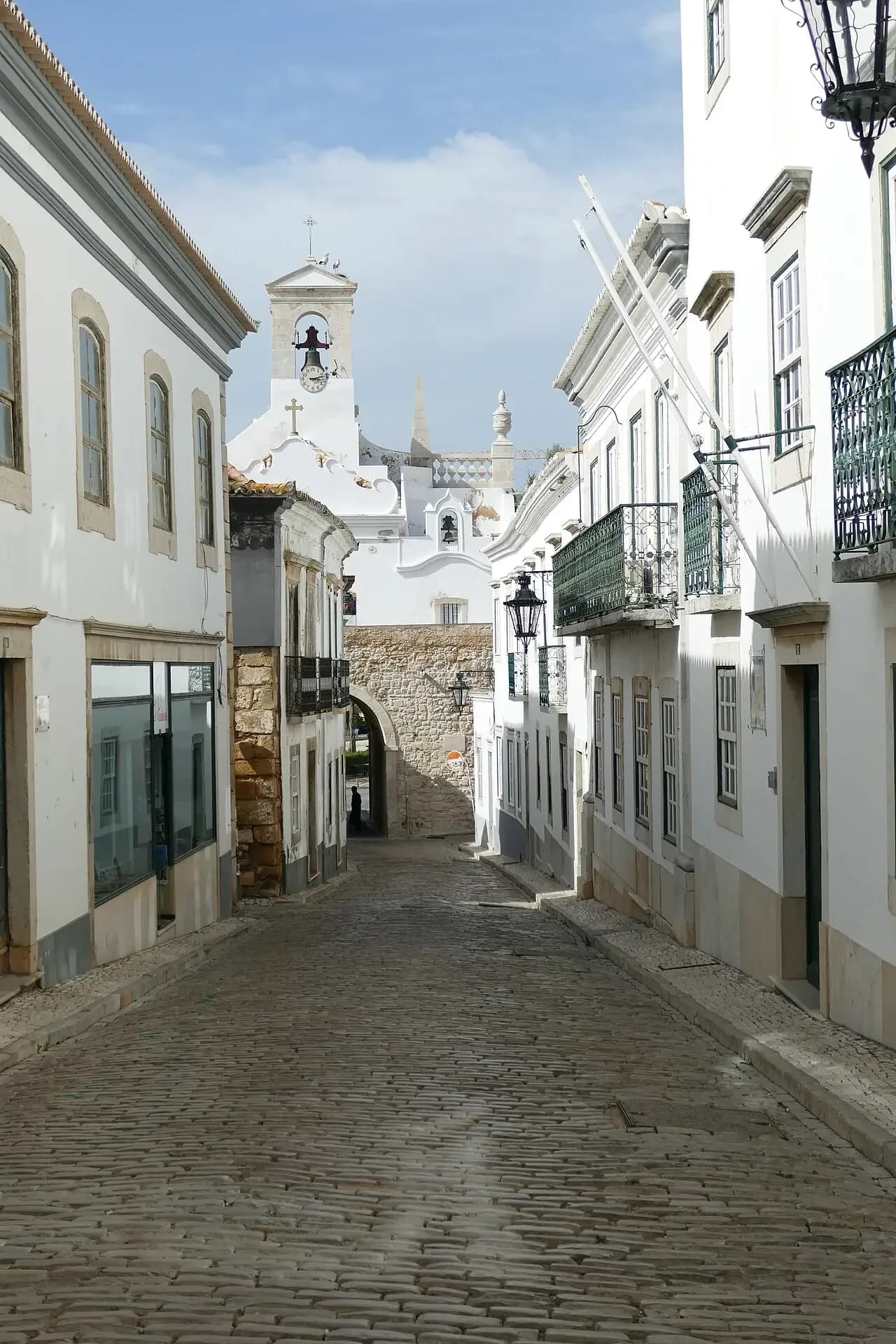
18 Day Trips Abroad Under £85 All In, Flights Included
The cheapest whole-day trips abroad on our board: flights plus the day on the ground, all £85 or less.
· 1 min read
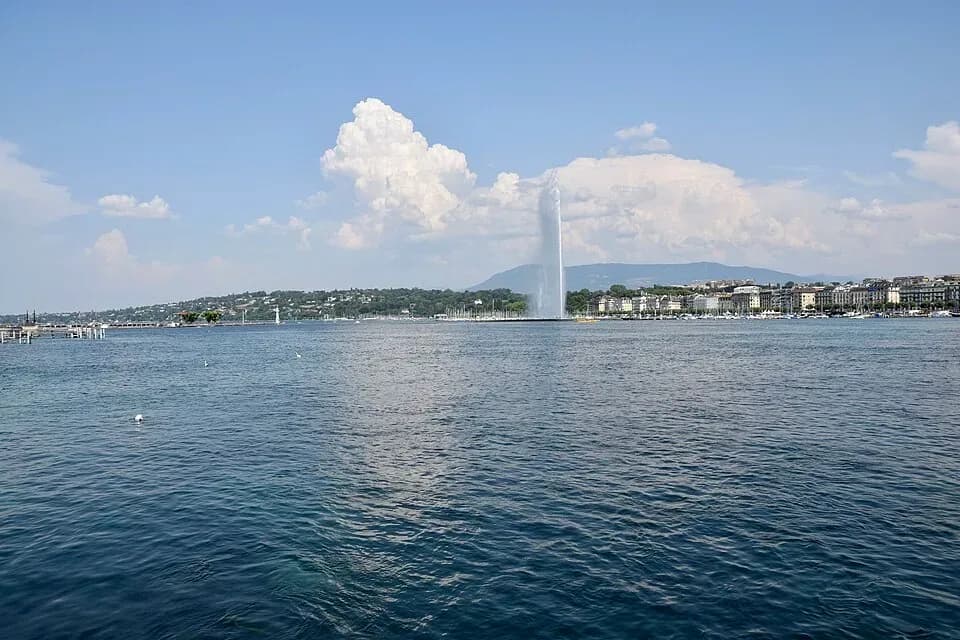
Switzerland in a Day From the UK: Geneva, Zurich or Basel?
Switzerland has a reputation for being expensive. As a day trip it doesn't have to be. Geneva, Zurich and Basel compared, with real fares.
· 1 min read
Latest Articles
View all articles
Arab Nomad Fest 2026
A week long hybrid festival on Morocco's Atlantic coast bringing together Arab digital nomads, remote workers, freelancers and creators for growth and genuine connection.
· 1 min read

Arab Nomad Fest
A blend of masterminds, surfing, and cultural experiences in Taghazout.
· 1 min read

6 Day Trips Abroad From East Midlands Airport (Prices Checked)
Every city you can fly to and back from East Midlands Airport in a day, cheapest first, with flight times and the full cost.
· 1 min read