

Weekend trips from the UK.
Two nights, somewhere new.
Free guides to two-night breaks in the UK and Europe. The founding membership is for Day Trips.
Short breaks in the UK
12 breaks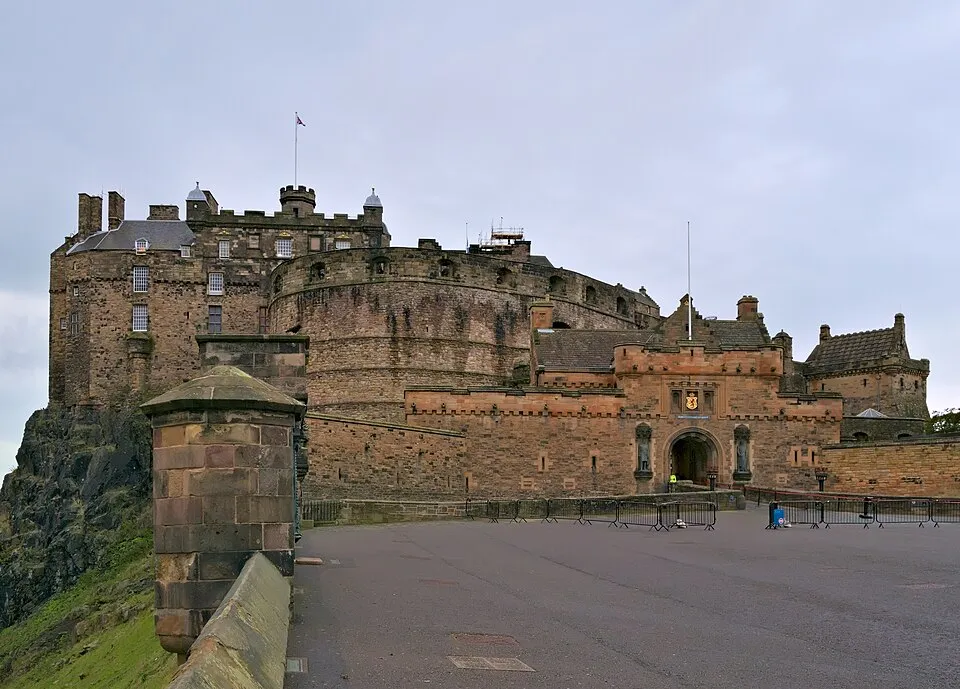
Edinburgh
Scotland, UK
Getting there: Train or short flight
Why go: Old Town closes, castle views and easy pub crawls, walkable end to end.
Photo: Daniel Kraft, CC BY-SA 3.0

Lake District
Cumbria, UK
Getting there: Car or train to Windermere
Why go: Fells, lakes and cosy inns. The classic two-night walking weekend.
Photo: DariusLT, CC BY-SA 4.0
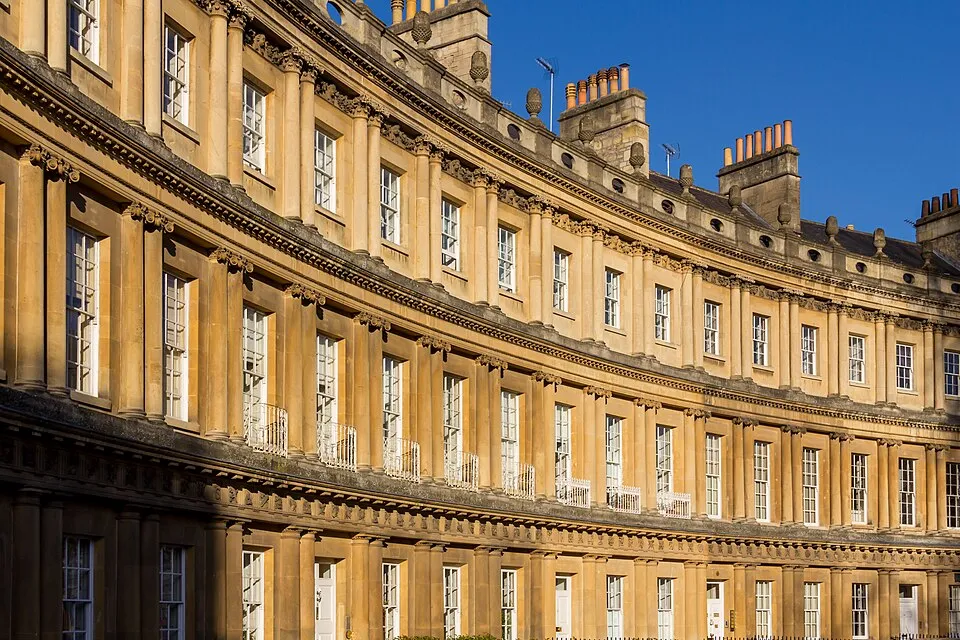
Bath
Somerset, UK
Getting there: Train from London or Bristol
Why go: Roman baths, Georgian streets and Sunday roasts, all in a compact centre.
Photo: Photograph by Mike Peel (www.mikepeel.net)., CC BY-SA 4.0
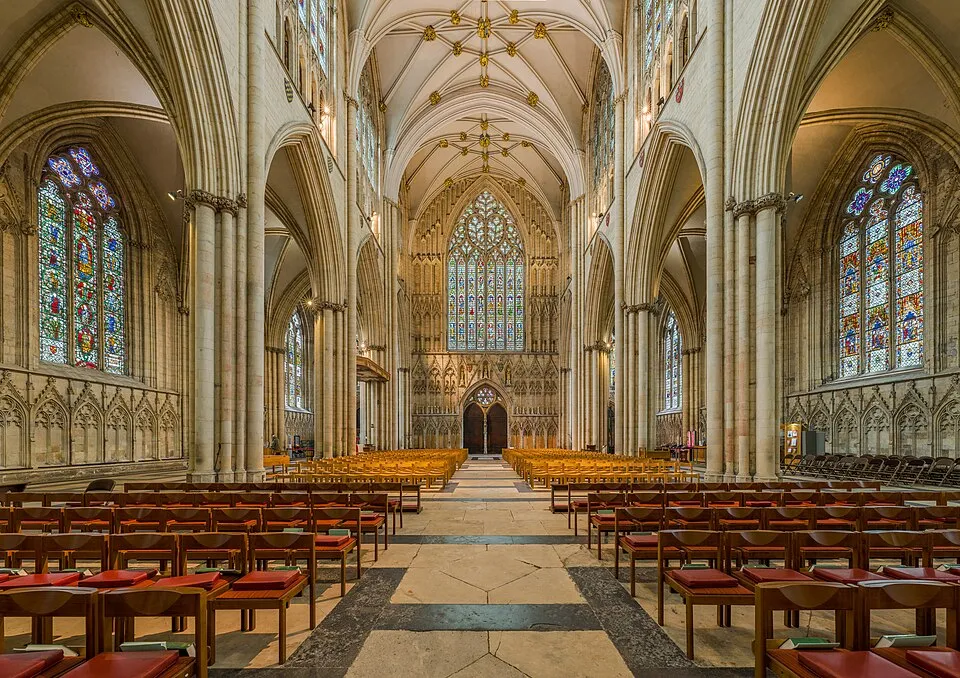
York
Yorkshire, UK
Getting there: Direct trains nationwide
Why go: City walls, the Shambles and a strong food-and-ale scene.
Photo: Diliff, CC BY-SA 3.0
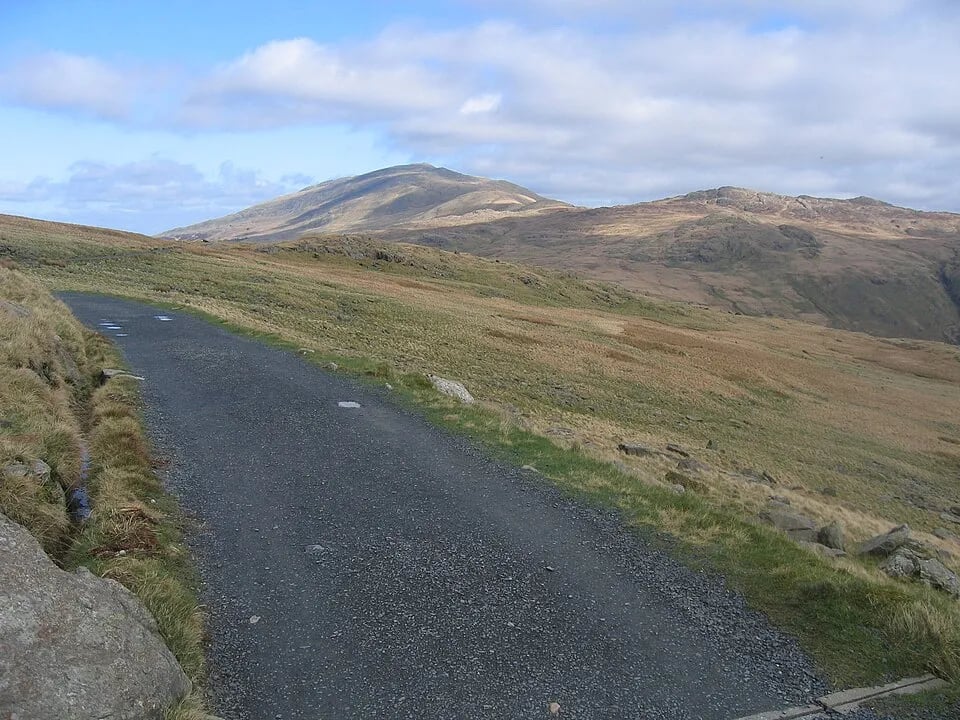
Snowdonia (Eryri)
North Wales, UK
Getting there: Car is easiest
Why go: Big mountain days and quiet valleys, with a summit weekend on Yr Wyddfa.
Photo: Runner1928, CC BY-SA 3.0
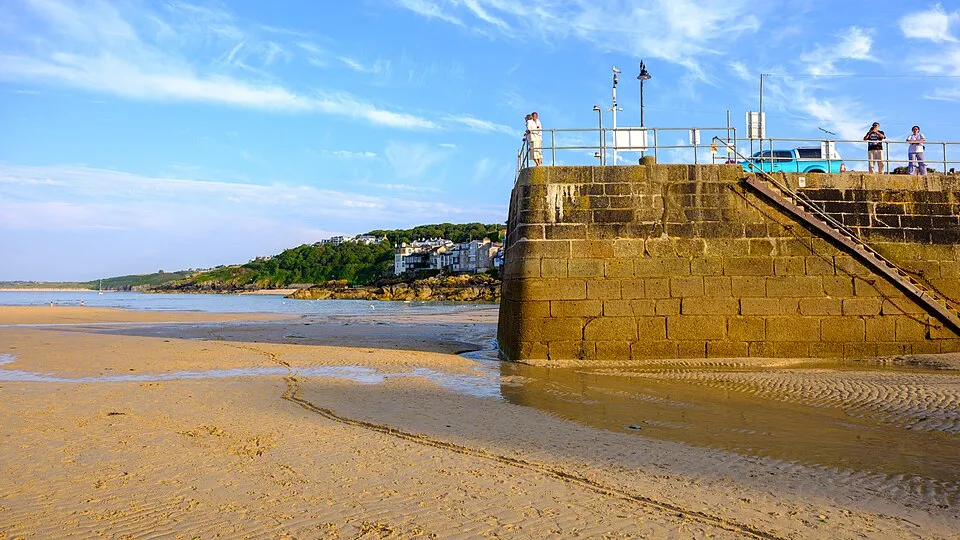
St Ives & the Cornish coast
Cornwall, UK
Getting there: Long drive or the sleeper
Why go: Beaches, harbour towns and coast-path walks. Best out of peak season.
Photo: ArildV, CC BY-SA 4.0
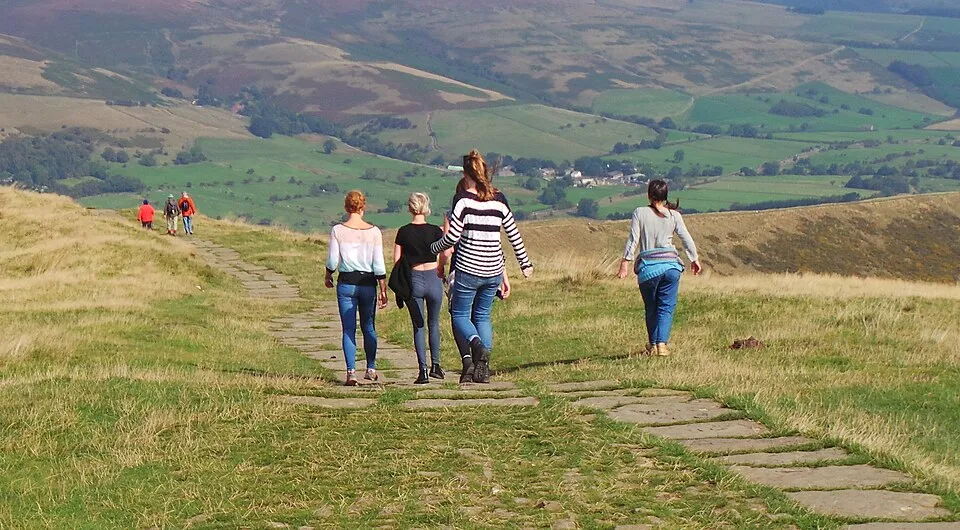
Peak District
Derbyshire, UK
Getting there: Car or train to Buxton
Why go: Edges, dales and market towns, an hour from Manchester or Sheffield.
Photo: Gareth Williams, CC BY 2.0
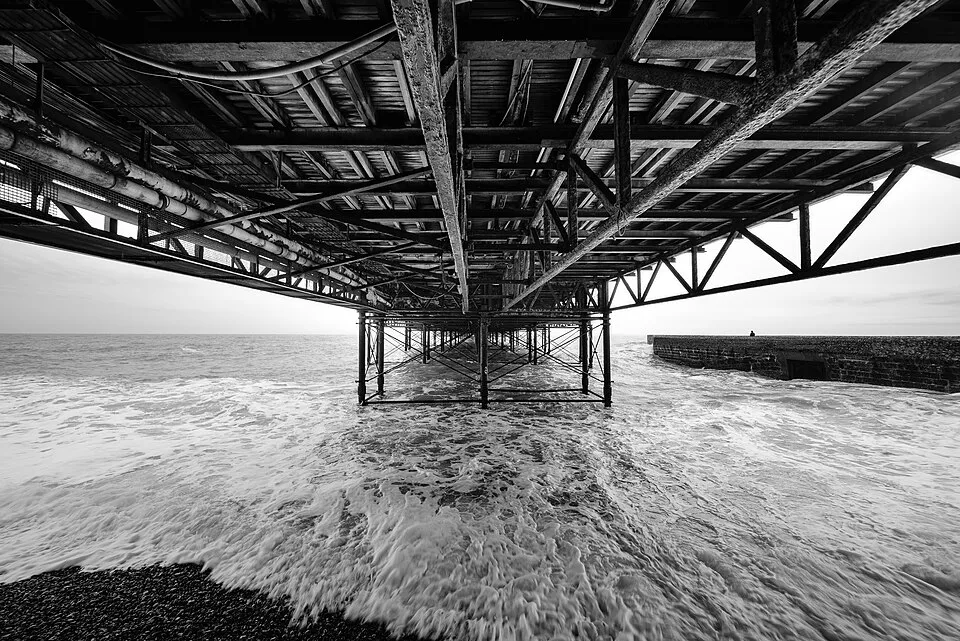
Brighton
East Sussex, UK
Getting there: Fast trains from London
Why go: Seafront, the Lanes and a lively night out, an hour from London.
Photo: Arild Vågen, CC BY-SA 4.0
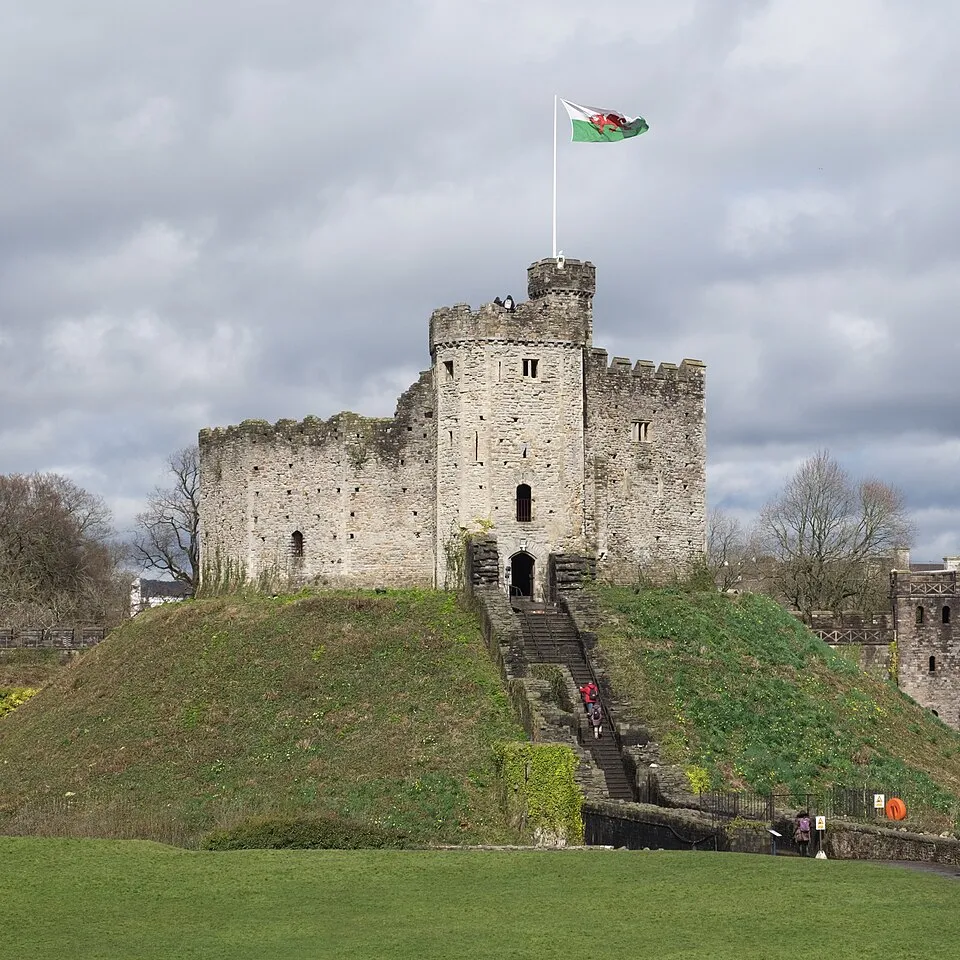
Cardiff
South Wales, UK
Getting there: Train or motorway
Why go: Castle, bay and a proper match-day buzz on the right weekend.
Photo: DeFacto, CC BY-SA 4.0
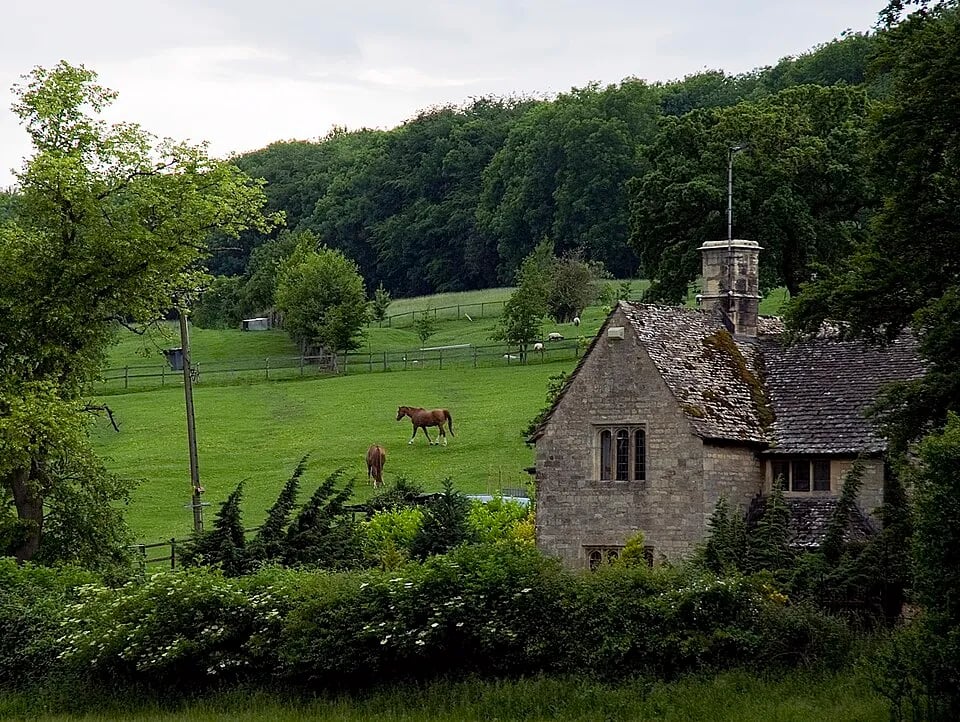
The Cotswolds
Gloucestershire, UK
Getting there: Car is easiest
Why go: Honey-stone villages, walks and country pubs. A slower kind of weekend.
Photo: Saffron Blaze, CC BY-SA 3.0
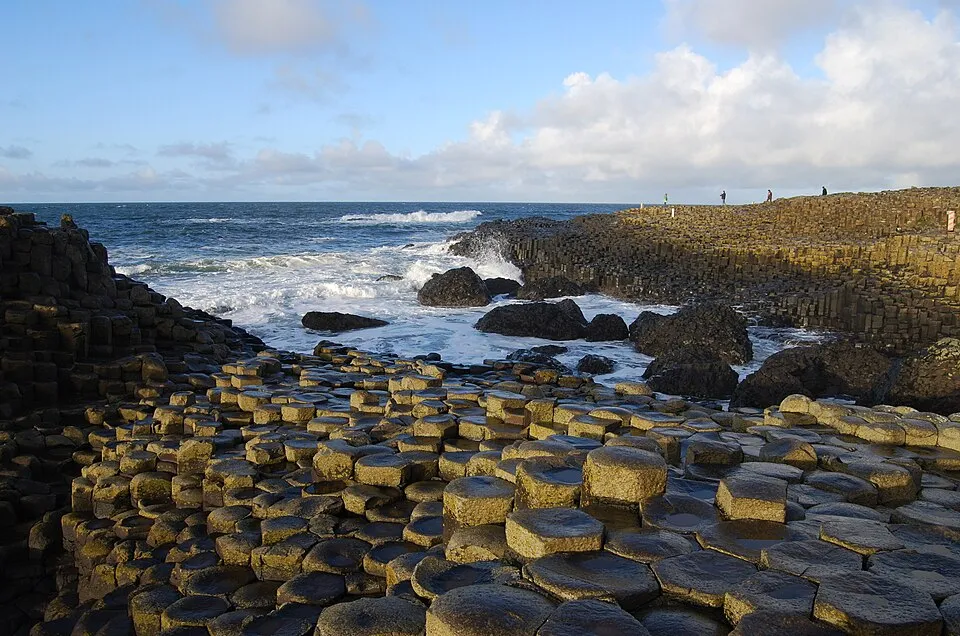
Belfast & the Causeway Coast
Northern Ireland, UK
Getting there: Short flight
Why go: City history plus a coast day out to the Giant's Causeway.
Photo: Chmee2, CC BY 3.0
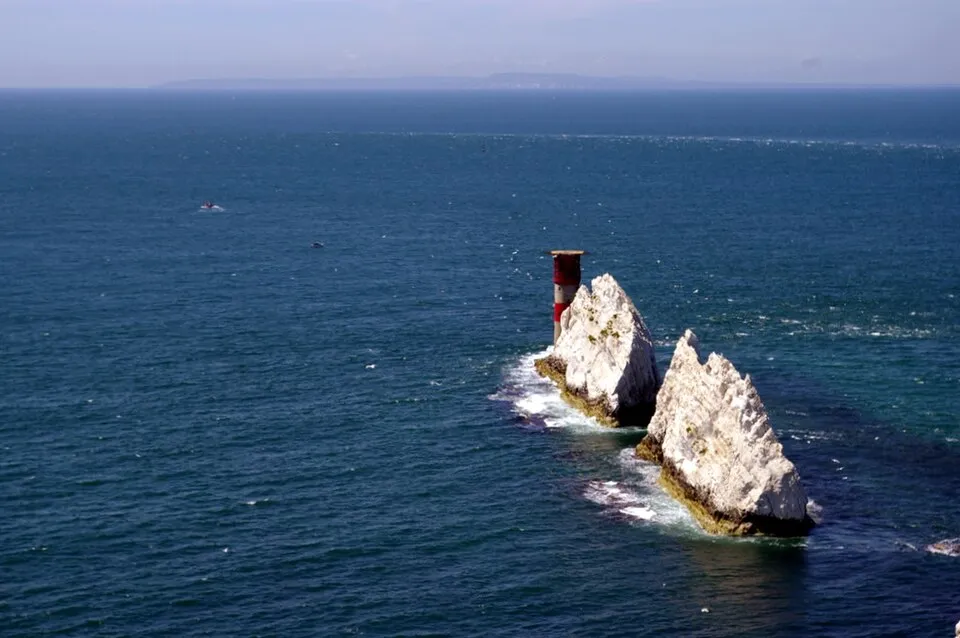
Isle of Wight
South Coast, UK
Getting there: Ferry from Portsmouth
Why go: A ferry-hop island of beaches, downs and seaside towns.
City weekends in Europe
12 cities
Dublin
Dublin, Ireland
Flight: 1h from most UK airports
Why go: Non-Schengen, so it does not eat your 90 days. Pubs, music and Georgian streets.
Non-Schengen: does not count towards your 90 days

Amsterdam
Amsterdam, Netherlands
Flight: 1h from London
Why go: Canals, bikes and world-class museums, all reachable on foot.

Barcelona
Barcelona, Spain
Flight: 2h from London
Why go: Beach, Gaudi and tapas. A full-on city weekend with sun.
Lisbon
Lisbon, Portugal
Flight: 2h 30m
Why go: Trams, viewpoints and cheap seafood, one of Europe's better-value city breaks.
Prague
Prague, Czechia
Flight: 2h
Why go: Fairy-tale old town and famously cheap beer. Great value once you are there.

Krakow
Krakow, Poland
Flight: 2h 30m
Why go: Handsome old town, big history and some of the lowest prices in Europe.

Porto
Porto, Portugal
Flight: 2h 15m
Why go: Riverside cellars, port tasting and steep, photogenic streets.

Budapest
Budapest, Hungary
Flight: 2h 30m
Why go: Thermal baths, ruin bars and a grand riverfront, all easy on the wallet.

Rome
Rome, Italy
Flight: 2h 30m
Why go: Ancient sites on every corner and food worth the flight.

Copenhagen
Copenhagen, Denmark
Flight: 1h 45m
Why go: Design, harbour swims and cycling. Pricier, but a lovely two nights.

Brussels
Brussels, Belgium
Flight: 1h 15m
Why go: Beer, chocolate and a walkable centre, with day trips to Bruges and Ghent.

Vienna
Vienna, Austria
Flight: 2h 15m
Why go: Coffee houses, palaces and classical grandeur at a relaxed pace.
First 1,000 members
Become a founder
Half the price, kept for good, for the first 1,000 members.
Day Trips is live.
Try it for 14 days. Full refund if it's not for you.

 Built by Josh and Samar
£19 today for your first year, then £19 a year for as long as you stay.
What you get
- Unlimited searches
- Save unlimited trips and places
- Ask about any city, unlimited
- Live fare for your exact date
- All your saved places on one map
- Your preferences: airports, days, flight length
- Themes: 8 looks and your own colour
- Every UK airport
Only for founders
- £19 a year instead of £39.99, a saving of £20.99 every year
- Your price never goes up, even if everyone else's does
- Full refund within 14 days, no questions asked.
Day Trips is live
Every day out priced before you book. Find a day trip from your airport
Common questions
What is a good weekend trip from the UK?
For a UK short break, cities like Edinburgh, Bath and York, or the Lake District, Snowdonia and the Cornish coast, all work well over two or three days by train or car. For Europe, a Friday-night or early-Saturday flight to Amsterdam, Dublin, Barcelona, Lisbon, Prague or Krakow gives you a full weekend and a flight home on Sunday.
How much does a weekend away cost?
It comes down to three things: getting there, where you sleep and what you spend once you arrive. Travel and beds are usually the two big costs, and both move with the day of the week, the season and how far ahead you book. BudgetBro does not price hotels yet, so we do not quote a weekend total here. Set your own budget before you go and track it as you spend.
Is it cheaper to do a weekend in the UK or Europe?
It depends on the flight. A UK break skips airfare, so a train or a tank of fuel is your only travel cost, which keeps a budget weekend low. But a cheap return flight to a low-cost city like Krakow, Budapest or Porto can make Europe similar or even cheaper once you factor in how far your money goes on food and drink there.
How do I keep a weekend trip on budget?
Set a spend limit before you go and track it as you spend. Book flights and the first night early, travel light to skip checked bags, eat where locals eat rather than on the main square, and use free walking tours and public transport. BudgetBro lets you set a trip budget, log spending in the local currency and see exactly how much you have left for the rest of the weekend.
When should I book a European weekend flight?
For the cheapest fares, book budget-airline flights (Ryanair, easyJet, Wizz Air, Jet2) roughly four to eight weeks ahead and fly out Friday evening or Saturday morning, back Sunday evening. Avoid school holidays and bank holidays, and compare a nearby airport, since a slightly less convenient airport can be much cheaper.
Do I need a passport for a weekend in Europe?
Yes. A weekend in Europe is international travel, so you need a valid passport that meets the destination's entry rules. Since Brexit, UK passports must have enough validity for the country you are visiting, so check before you book. Trips within the UK, including to Northern Ireland, need no passport.
Do weekend trips to Europe count towards the Schengen 90-day limit?
Yes. Any day spent in the Schengen area counts towards the 90 days in every 180 you are allowed as a UK visitor. A weekend uses two or three of those days. Trips to non-Schengen destinations, such as Dublin, do not count, and neither do breaks within the UK.