Full Guide to Europe’s Digital Nomad Visas in 2026
More than 20 European countries offer a digital nomad visa in 2026, and Bulgaria and Slovenia both launched new ones over the winter. Most want proof of monthly income of roughly 2,500 to 4,500 euros plus health insurance. Tax varies a lot, and the 90/180 Schengen rule still caps short stays across the wider area.
Europe's Digital Nomad Visas in 2026: The Complete Country Guide
TL;DR: More than 20 European countries offer a Digital Nomad visa, or an equivalent remote-work option in 2026. Bulgaria and Slovenia both launched brand new schemes over the 2025 to 2026 winter, and income thresholds have risen in Spain, Portugal and Croatia. Most countries want proof of stable monthly income of roughly 2,500 to 4,500 euros, private health insurance, and income earned from outside the country. France still has no nomad visa and now bans remote work on its visitor visa.
Southeast Asia is where most digital nomads start out: cheap living, fast wifi and a big, friendly community. As careers and priorities mature, a lot of remote workers eventually look to Europe for the things Asia does not always offer: reliable public transport, card payments almost everywhere, strong healthcare, and a stable long-term base inside one of the largest free-travel zones on earth.
A growing list of European countries now offer formal digital nomad visas or remote-worker residence permits. These let you live in the country legally, long term, while earning your income from abroad, without the endless tourist-visa runs. The rules, fees, processing times and income thresholds differ from country to country, and 2026 has brought real change: two brand new schemes, several higher income bars, and one country closing the door on remote work altogether.
Here is the full picture for 2026, country by country, with all the details in one place.
What is a digital nomad visa?
A digital nomad visa is a residence permit that lets you live in a country while working online for an employer or clients based anywhere except that country. It is designed for people who earn their money abroad but want to base themselves locally for a while. It is not a work permit for the local job market, and it is not a tourist visa, which does not let you legally reside or, in most cases, work at all.
What do you need to qualify?
The paperwork varies, but almost every European scheme asks you to prove the same core things:
You genuinely work remotely, as an employee, freelancer or company owner.
Your income comes from outside the country you are applying to.
You meet the minimum monthly income requirement, the figure that changes most between countries.
You hold valid private health insurance covering that country.
You have somewhere to stay, usually a rental contract or proof of accommodation.
You have a clean criminal record and a passport with plenty of validity left.
It is less about impressing anyone and more about showing you can support yourself without leaning on the local system.
Which European countries offer a digital nomad visa in 2026?
These are the main options in 2026, including the two newest arrivals. Income figures are the current 2026 requirements. Where a country ties its threshold to a local wage benchmark, the exact euro figure can drift slightly through the year.
Bulgaria (new for 2026)
- Visa type: Digital nomad residence permit, launched December 2025.
- Income requirement: Around 2,583 euros per month, based on 31,000 euros a year, which is fifty times the national minimum wage.
- Duration: One year, renewable once, for a maximum of two years.
- Cost: Roughly 100 to 200 euros once you include the residence card.
- Processing: Typically 30 to 90 days depending on the consulate.
Good to know: Bulgaria joined the Schengen Area and adopted the euro in 2025, so it is now a genuinely convenient, low-cost base for travelling around Europe. Income must come from non-EU sources, and this is a renewable residence route rather than a fast track to permanent residency.
Slovenia (new for 2026)
- Visa type: Temporary residence permit for digital nomads, launched November 2025.
- Income requirement: Around 2,900 to 3,300 euros per month, roughly twice the average net salary.
- Duration: Up to 12 months, non-renewable. You can only reapply six months after it expires.
- Cost: Around 162 euros.
- Processing: Usually a few weeks to a couple of months.
Good to know: Slovenia allows immediate family reunification, which is rare among these schemes. It is temporary by design, with no path to permanent residency, so treat it as a great one-year base rather than a settling-down route.
Portugal
- Visa type: D8 digital nomad and remote work visa.
- Income requirement: Minimum 3,680 euros per month, four times the Portuguese minimum wage and up from 2025.
- Duration: A short-stay visa that converts to a two-year residence permit once you arrive, renewable, with a possible path to permanent residency and citizenship.
- Cost: Application around 90 to 100 euros, residence card around 150 to 170 euros.
- Processing: Visa decision 30 to 60 working days, then a further 30 to 60 days for the residence card.
Good to know: The income bar is high relative to the cost of living outside Lisbon and Porto, and AIMA, the immigration agency, is famous for delays. Note the tax change: the old NHR regime is closed to new applicants, and its replacement, IFICI, is aimed at people working inside Portugal in tech or research. Most remote-for-foreign-clients nomads no longer qualify for a flat rate and pay standard progressive tax.
Spain
- Visa type: Spain Digital Nomad Visa, also called the Teleworking Visa.
- Income requirement: Around 2,849 euros per month, which is 200 percent of the Spanish minimum wage, raised with the 2026 wage increase.
- Duration: Up to one year, exchangeable for a residence permit that can be extended for up to three years initially.
- Cost: Around 75 to 80 euros at most consulates, plus a small residence-card fee in Spain.
- Processing: 20 to 60 days.
Good to know: The paperwork is detailed, covering contracts, degree or experience proof, private insurance and background checks. Spain also offers a reduced tax regime for new residents, a flat 24 percent up to 600,000 euros a year under the Beckham-style rules, worth checking before you commit.
Want to see where your money actually goes? BudgetBro tracks it in any currency, free.
Italy
- Visa type: Digital Nomad Visa for non-EU highly skilled remote workers.
- Income requirement: Around 2,300 to 2,700 euros per month, roughly 28,000 euros a year.
- Duration: One-year residence permit, renewable if you still meet the criteria.
- Cost: Visa fee 100 to 120 euros, residence permit a further 80 to 100 euros.
- Processing: 30 to 90 days from the consulate, plus time in Italy for local appointments and the residence card.
Good to know: Italian bureaucracy is slow and the rules are still being interpreted, so experiences vary. You are expected to be a highly skilled applicant with clean, complete paperwork.
Greece
- Visa type: Digital Nomad Visa, a national visa.
- Income requirement: Minimum 3,500 euros per month, higher with dependants.
- Duration: Up to 12 months, then a two-year residence permit with the chance to extend.
- Cost: 75 to 150 euros, plus residence-card fees when you switch to a permit.
- Processing: 2 to 4 weeks for the visa, 1 to 3 months for the residence permit.
Good to know: The income bar is high relative to local wages, and the card can take a while even after approval. On the plus side, Greece gives new tax residents a 50 percent income-tax reduction for seven years, and everyday costs are lower than much of Western Europe.
Croatia
- Visa type: Temporary stay for digital nomads.
- Income requirement: Around 3,622 euros per month, which is 2.5 times the average net salary and was updated in March 2026, or equivalent savings.
- Duration: Up to 18 months in a single grant.
- Cost: 100 to 150 euros once you include the residence card.
- Processing: 30 to 90 days depending on whether you apply from abroad or inside Croatia.
Good to know: The permit cannot be renewed back to back, so it is more of a long single season than a settling-down route, and you now need around six months of bank statements. Croatia is in Schengen, and crucially your foreign income is not taxed locally, one of the best tax positions in Europe for a nomad.
Estonia
- Visa type: Short-stay C or long-stay D visa.
- Income requirement: Minimum 4,500 euros gross per month in the six months before applying, the highest of the mainstream schemes.
- Duration: Up to around 12 months depending on the visa.
- Cost: C-visa 80 euros, D-visa 100 euros.
- Processing: 15 to 30 days once you submit a complete application.
Good to know: The income bar is very high for the local cost of living, and it is a time-limited visa with no path to residency by itself. What you get in return is a genuinely digital government, near-instant online bureaucracy and a clean, tech-friendly base.
Malta
- Visa type: Nomad Residence Permit.
- Income requirement: Minimum gross of around 42,000 euros a year from foreign sources, roughly 3,500 euros a month.
- Duration: Valid for one year, renewable up to four years total.
- Cost: 300 euros, plus 27 euros per residence card.
- Processing: 30 to 60 days once everything is submitted.
Good to know: English is widely spoken, daily life is easy and the remote-working rules are clear. Rent and living costs on a small island can be higher than you expect, but foreign income can get favourable tax treatment.
Germany
- Visa type: Freiberufler, or freelance, residence permit. Germany has no dedicated nomad visa.
- Income requirement: No fixed legal minimum. You prove sufficiency with client contracts, savings or income. Commonly cited figures sit in the low thousands of euros a month, but it is assessed case by case.
- Duration: One to three years for the initial freelance permit, with a path to permanent residency.
- Cost: Visa application around 75 euros, residence permit around 100 to 110 euros in Germany.
- Processing: 30 to 60 days, plus local appointment time at the Auslanderbehorde, the foreigners office.
Good to know: Many offices want to see German clients or an economic interest in the region, so being one hundred percent foreign-client based can be harder to justify. There is no single official income figure, so do not trust anyone who quotes one as gospel.
France
- Visa type: No dedicated nomad visa. Remote workers historically used the long-stay visitor visa, the VLS-TS.
- Income requirement: Roughly 1,400 euros a month for the visitor visa.
- Duration: Up to 12 months, often renewable annually.
- Cost: Around 99 euros plus a tax stamp when you validate it in France.
- Processing: 15 to 60 days through French consulates.
Good to know (important): As of mid-2025 the French tax authorities and Interior Ministry confirmed that remote work is not allowed on the visitor visa, even if all your clients are abroad, and prefectures have refused renewals on that basis. To work remotely from France you now need a different route, such as the Profession Liberale permit, the Talent Passport or an EU Blue Card. Tread carefully.
Other options worth knowing
- Hungary (White Card): around 3,000 euros a month, one year plus one renewal, with no residency path.
- Romania: around 3,300 euros a month, and income plus social contributions are exempt from Romanian tax, another strong tax position.
- Cyprus: around 3,500 euros net a month, renewable up to three years, capped at 500 permits, with attractive non-dom tax rules.
- Montenegro: a lower income bar of roughly 1,350 euros a month upward, but the whole scheme is currently legislated to end on 31 December 2026 unless it is extended.
- Albania and Andorra: longer-stay options outside the EU, with Andorra requiring a substantial deposit.
Poland, Ireland and Switzerland still have no dedicated nomad visa in 2026, so remote workers there rely on ordinary residence or tourist routes.
How does tax work on a European digital nomad visa?
Tax is where most nomads get caught out. The near-universal trigger is the 183-day rule: spend more than 183 days in a country in a calendar year and you usually become a tax resident on your worldwide income. Some visas quietly make you a tax resident regardless of the day count.
A few countries are genuinely nomad-friendly. Croatia does not treat digital-nomad-permit holders as tax resident, so foreign income is not taxed there. Romania exempts income and social contributions for permit holders. Greece gives new tax residents a 50 percent income-tax cut for seven years, and Spain offers a reduced flat rate under its special expat regime. Portugal, by contrast, has closed its old NHR scheme, so its tax pitch for pure remote workers is weaker than it used to be. Always get country-specific advice before you commit.
How do you track days in the countries you're travelling/the 90/180 Schengen rule?
Holding a residence permit ties you to one country for residence and tax, but time spent in the wider Schengen Area on short stays is still capped at 90 days in any rolling 180-day window. Miscount it and you risk fines or an entry ban.
This is exactly what BudgetBro's Days in Country tracker is built for. It counts your days per country and includes a Schengen 90/180 counter that warns you as you approach the 90-day limit and tells you the date your oldest Schengen day rolls off, so you know exactly when you can re-enter. It works from your logged spending, so it doubles as a visa-limit and tax-residency guide while you travel. It is part of the free BudgetBro app, on iPhone, Android and the web.
Upcoming digital nomad events to plan around
Choosing a base is far easier once you have met the community in person. We are building a dedicated digital nomad hub, and this guide will link to it soon. In the meantime, here are the major nomad events happening across Europe over the next few months, several of which we cover in full:
- NomadEire Conference and Fest: 1 to 3 September, near Dublin, Ireland.
- The Nomad World Fest: 10 to 13 September, Porto, Portugal.
- Athens Nomad Fest: 18 to 25 September, Athens, Greece.
- Nomad Cruise: 19 to 26 September, sailing from Southampton in the UK.
- Turkiye Nomad Fest: October, Alanya, Turkiye.
- Web Summit: 9 to 12 November, Lisbon, Portugal, a huge tech event with a large nomad crowd.
Dates can shift, so always confirm on the official event pages before booking travel.
Frequently Asked Questions:
Which European country has the easiest digital nomad visa?
There is no single easiest one, but Croatia, Portugal and Estonia are the most established routes, and the new Bulgarian and Slovenian permits are worth watching. Croatia is quick to set up but cannot be renewed back to back, Portugal has a well-trodden process despite AIMA delays, and Estonia runs fully online but asks for a high income.
Did any European country launch a new digital nomad visa in 2026?
Yes. Bulgaria launched a digital nomad residence permit in December 2025 and Slovenia launched one in November 2025. Both are aimed at non-EU remote workers who earn their income from abroad.
Which European digital nomad visa has the lowest income requirement?
Montenegro sits around 1,350 euros a month and Albania lower still, though both are outside the EU. Within the EU, Bulgaria and Italy are among the more accessible at roughly 2,500 to 2,700 euros a month. France's old visitor route was lowest at around 1,400 euros but no longer permits remote work.
How much income do you need for a European digital nomad visa?
It varies by country, but most ask you to prove a stable monthly income of roughly 2,500 to 4,500 euros. Estonia is highest at 4,500 euros gross, while Bulgaria, Italy and Malta sit at the lower end. Figures are reviewed each year and several rose in 2026.
Can you travel around the Schengen Area on a digital nomad visa?
Once you hold a residence permit from a Schengen country you can generally travel freely across the rest of the Schengen Area for short stays, but those short stays are capped at 90 days in any 180-day period. Your permit ties you to the issuing country for residence and tax. A tool like BudgetBro's Days in Country tracker helps you stay inside the 90/180 limit.
Do you pay tax on a European digital nomad visa?
Often yes, once you become tax resident, which usually happens after around 183 days in the country. Croatia and Romania are notable exceptions that do not tax foreign income, and Greece offers a large discount for new residents. Rules differ a lot, so get country-specific advice.
Day trips in this article
The cheapest day trips of the week, by email
Comments
No comments yet. Be the first to share your thoughts.
Related Articles

EU roaming charges 2026: which UK network is cheapest?
O2 and giffgaff charge nothing to roam in Europe. Three, Vodafone and EE charge by the day. Here is what each costs on a real trip.
· 7 min read

GHIC and Travel Insurance in Europe: What the Card Won't Cover
The free UK GHIC gets you state healthcare in Europe, but it won't fly you home, pay for a private clinic or a mountain rescue. Here's exactly where it stops.
· 2 min read
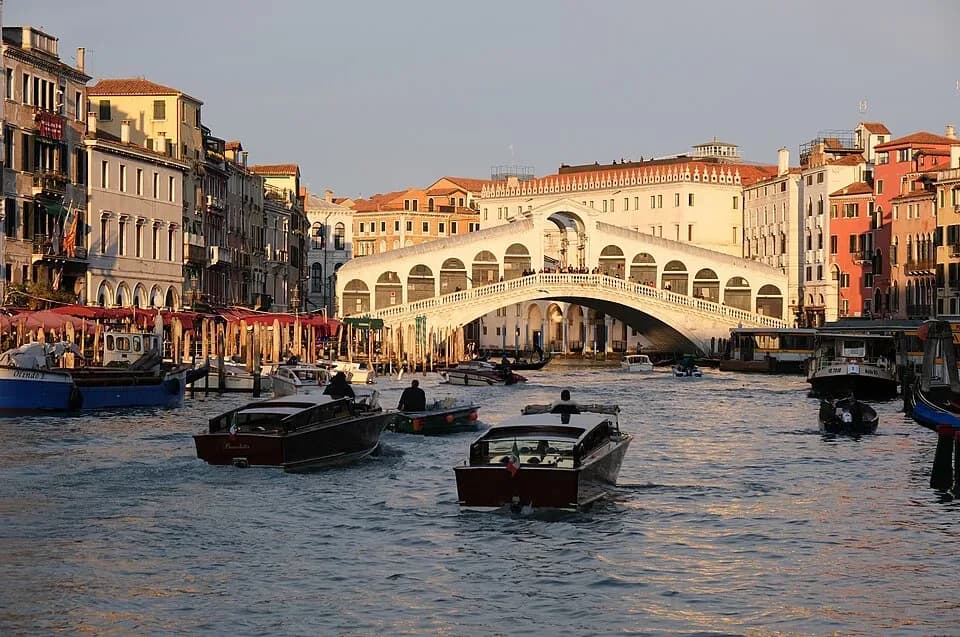
Tourist Taxes in Europe 2026: Barcelona, Venice and Edinburgh
Barcelona doubled its tourist tax in April, Edinburgh started a 5% visitor levy in July, and Venice's day-tripper fee has ended for 2026. What each one costs you.
· 2 min read
Latest Articles
View all articles
Pay in pounds or euros abroad? Every question answered
The card machine asks if you want to pay in pounds or euros. Here is which button to press, why, and what to do if a shop or cash machine picks for you.
· 6 min read

Why Your Flight to America Goes Over Greenland
Look at the flight map on a London to LA flight and it bends up over Greenland. It isn't a detour. It's the shortest way round a round planet, and here's why.
· 1 min read
Best Time to Book Christmas Flights in 2026: The Window Is Now
Which?'s research on Skyscanner data says December flights are usually cheapest booked 5 to 11 weeks out. Christmas is about 10 weeks away. We checked real Christmas fares too.
· 3 min read