
Is Sri Lanka’s New Digital Nomad Visa Worth It?
Sri Lanka's digital nomad visa lets remote workers stay up to a year on the island. You must be over 18 and earn at least USD 2,000 a month from outside Sri Lanka, via the residence-visa route, not an instant approval. It is usually overkill for loose backpacking, but suits anyone wanting one settled base for months.
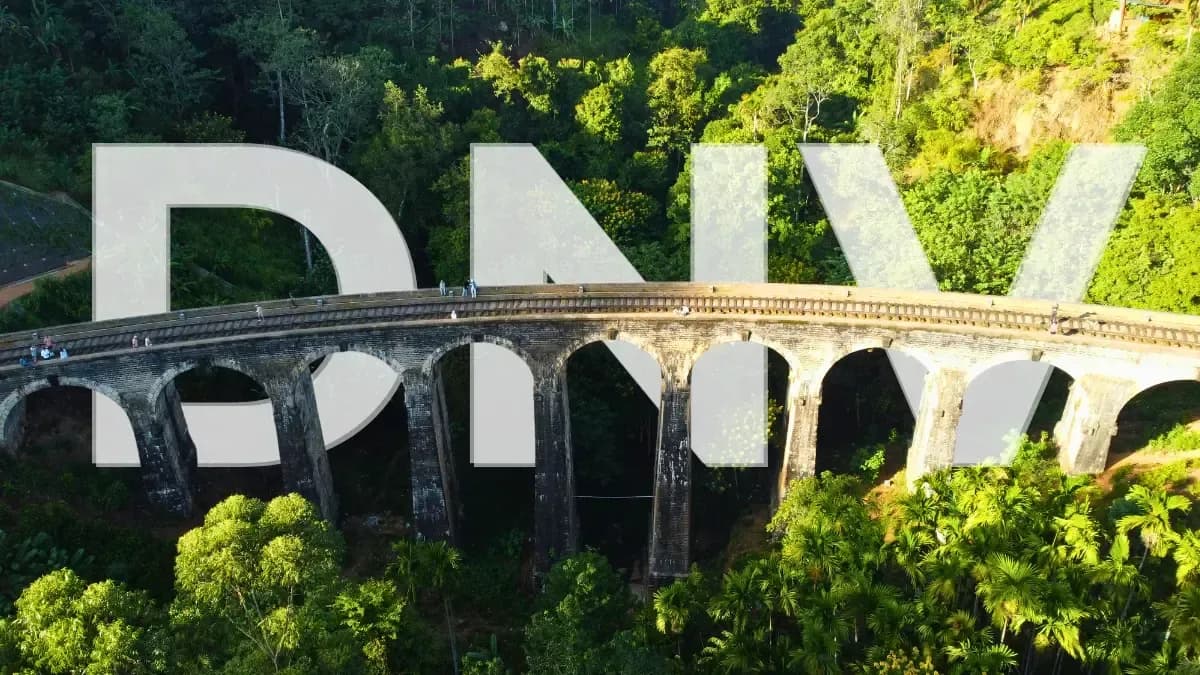
Is Sri Lanka's Digital Nomad Visa Worth It? A 2026 Guide
Last Updated: 18th March, 2026 - Article checked for accuracy.
Sri Lanka has launched a Digital Nomad Visa. On the surface, it’s straightforward. Spend up to a year on the island while working remotely, without relying on back to back tourist stamps. For anyone who’s considered slowing down in Sri Lanka rather than just passing through, that sounds appealing right?
But this new visa isn’t just a headline. It’s a set of rules, thresholds, and trade-offs. And, depending on how you travel and how you earn, it either makes your life easier or adds another layer of structure you might not want.
Before you get sold on the idea of twelve months in the tropics, it’s worth looking at what this visa actually involves, and who it’s really built for.
Who's Eligible and What It Actually Costs
To qualify, you need to be over 18 and earning at least USD $2,000 per month, from outside Sri Lanka. That can be as a remote employee, freelancer, or business owner, but your income must be foreign-sourced. This visa does not allow you to work for Sri Lankan companies or generate local income.
The income threshold is the main filter. They want consistent, provable earnings. Savings alone won’t carry you. If your income fluctuates heavily month to month, expect more scrutiny. If you’re comfortably above the requirement and can show clean documentation, eligibility itself is straightforward.
The visa fee is USD $500 per year for the main applicant. It’s another $500 for a spouse, and $500 for each dependent. So a couple is looking at $1,000 per year before insurance, police clearance, medical checks, and document prep. For a solo remote worker, that’s reasonable for a one year residence visa. For families, it becomes a more deliberate decision.
This is built for stable earners who want a proper base, not for someone piecing together short term freelance work while figuring it out on the move.
Want to see where your money actually goes? BudgetBro tracks it in any currency, free.
How the Application Process Works
This isn’t a click, pay, approved type of visa. Applications go through Sri Lanka’s Department of Immigration and Emigration under the residence visa category. There’s an online element, but you’re still dealing with formal document submission and review. It’s not built like a fast tourist ETA system.
You’ll need a completed application, passport copies, passport photos, proof of income, international health insurance that covers Sri Lanka, a police clearance certificate issued within the last three months, and a medical clearance. If you’re applying with a spouse or children, you’ll also need marriage and birth certificates. There’s also a recommendation step involving the Ministry of Digital Economy, which adds another layer to the process.
None of this is unusual for a residence visa. It’s just more involved than what most backpackers are used to.
Processing times aren’t clearly published. Realistically, the timeline depends on how quickly you can gather clean documentation and whether anything gets flagged during review. Police certificates expiring. Insurance wording not matching requirements. Missing income proof. Small things can slow the process down.
If you’re planning around this visa, you don’t apply a week before your flight. You give yourself breathing room. A few weeks to gather documents properly, and additional time for review and endorsement.
Renewals add another step. You’ll need to show continued eligibility and, importantly, tax registration with Sri Lanka’s Inland Revenue Department. That doesn’t automatically mean you’re handing over half your income, but it does mean the relationship becomes more formal the longer you stay.
Is It Actually Worth It?
If I’m being honest, most backpackers don’t need this. If you’re hopping around Asia, keeping things loose, figuring it out as you go, a structured residence visa is probably overkill.
This visa is for a different type of person. Someone earning properly each month. Someone who’s tired of counting visa days. Someone who wants to rent a place for a year and stop pretending they’re “just visiting”.
The $500 fee isn’t the real barrier. The real barrier is consistency. Can you comfortably show $2,000 a month without sweating? Can you handle admin without it draining you? Are you okay with stepping into a system that becomes more formal if you renew?
Because once you do this, you’re not drifting anymore. You’re choosing Sri Lanka as a base. That changes the mindset.
If you already know you want to build a year of your life there, this makes sense. If you’re just attracted to the idea of it, but still want freedom to pivot, it might feel heavier than you expected.
The visa isn’t good or bad. It’s intentional. And if you’re not travelling intentionally, it probably isn’t for you.
You can discuss this with us on the BudgetBro Subreddit
Sorting the next leg of your route? Take a look at You Can Now Travel Visa-Free to Sri Lanka, Full Guide to Europe’s Digital Nomad Visas in 2026 and Digital Nomad Life.
Frequently Asked Questions
How much do you need to earn for Sri Lanka's digital nomad visa?
At least USD 2,000 per month, earned from outside Sri Lanka. That can be as a remote employee, a freelancer or a business owner, and you will usually need to show recent bank statements or proof of income to back it up.
How long can you stay on the Sri Lanka digital nomad visa?
Up to one year, working remotely for clients or an employer based outside the country. It is granted under the residence-visa route through the Department of Immigration and Emigration rather than as an instant online approval.
Is the Sri Lanka digital nomad visa worth it for backpackers?
For most backpackers hopping around Asia, no. A short visa-free or tourist entry is simpler and cheaper. The nomad visa makes sense if you want a single settled base in Sri Lanka for several months rather than keeping things loose.
Can you enter Sri Lanka visa-free instead?
For short stays many nationalities can enter visa-free or on a tourist ETA. If you only want a few weeks or a month, that route is far less paperwork than the nomad visa.
Comments
No comments yet. Be the first to share your thoughts.
Related Articles
Azerbaijan Digital Nomad Visa: What We Know About the 2027-2028 Launch
Nomads Embassy is reporting that Azerbaijan plans to introduce a digital nomad visa between 2027 and 2028. Details are thin, so here's exactly what's known and what isn't.
· 2 min read
Central Asia's Single Visa Plan Is Back
One Visa for the Silk Road and a New Gateway to Asia?
· 9 min read
Is Malaysia the Digital Nomad Hotspot for 2026?
Malaysia has topped a 2026 global nomad living table by Time Out, but what do you think?
· 8 min read
Latest Articles
View all articles
EU roaming charges 2026: which UK network is cheapest?
O2 and giffgaff charge nothing to roam in Europe. Three, Vodafone and EE charge by the day. Here is what each costs on a real trip.
· 7 min read

Pay in pounds or euros abroad? Every question answered
The card machine asks if you want to pay in pounds or euros. Here is which button to press, why, and what to do if a shop or cash machine picks for you.
· 6 min read
GHIC and Travel Insurance in Europe: What the Card Won't Cover
The free UK GHIC gets you state healthcare in Europe, but it won't fly you home, pay for a private clinic or a mountain rescue. Here's exactly where it stops.
· 2 min read