
Pay in pounds or euros abroad? Every question answered
Pick the local currency, every time. Paying in pounds lets the shop or cash machine set the exchange rate, and that rate is usually worse than your card's rate plus its fee. If someone converts without asking, ask your bank to dispute it.

Two numbers on a little screen. One in euros, one in pounds. The waiter is holding the machine out, there's a queue behind you, and you've got about three seconds to decide. I've pressed the wrong one. Most people I know have.
So here's every question I get asked about it, answered properly, with the sources at the bottom. Short version up front: press the local currency. Now the why.
What is the machine actually asking me?
It's offering something called dynamic currency conversion, or DCC. If you pick pounds, the shop or the cash machine does the currency swap for you, at a rate they choose, and charges your card in sterling. If you pick euros (or whatever the local money is), your own card provider does the swap at the Visa or Mastercard rate, plus whatever fee your card charges.
HSBC's guide puts it plainly. With DCC the rate is set by the retailer or their bank, not by Visa or Mastercard, and it's usually higher. Barclaycard says the same thing in its own travel guide: the retailer's rate may be less competitive than the card scheme rate, and paying in local currency is generally the better value option.
Why does paying in pounds feel safer?
Because you can see the number. A price in pounds feels known. A price in euros feels like a guess until it lands on your statement. DCC is built around that feeling. You pay for the comfort of knowing the figure right now, and the price of that comfort is a worse rate.
My take? I'd rather do the sums myself than pay someone to do them badly. Half the time I check the rough rate before I fly anyway, so a euro price isn't really a mystery.
How much more does paying in pounds cost?
It varies by shop and machine, which is part of the problem. A few numbers I could actually source:
- Researchers writing in The Conversation cite a study putting the average DCC fee at 7.6%, against roughly 1.5% to 3% when you pay in local currency and let your bank convert.
- Their worked example: a £88.43 restaurant bill, worth €100, costs about €102 if you pay in euros and your bank converts. Pay in pounds through DCC and it's €107.60.
- A Norwegian bank, Sparebanken Vest, checked 1,500 random cash machine withdrawals in Europe in 2016. People who chose to be charged in their home currency lost out in 99.7% of cases. The worst gap was 12.4%.
- The European consumer group BEUC said in 2017 that DCC was estimated to cost British consumers around £500m a year.
Those are older figures and the exact percentages will move. But I haven't found a single official source that says paying in pounds is usually cheaper. Not one.
Want to see where your money actually goes? BudgetBro tracks it in any currency, free.
But my card charges a foreign fee. Doesn't that change things?
Fair question, and it's the one that catches people out. Plenty of UK cards add a fee when you spend in another currency. Barclays, for example, lists a 2.99% non-sterling transaction fee on its debit card for payments, cash withdrawals and refunds in a foreign currency. Barclays itself points out that if you pay in sterling abroad, you avoid that 2.99%.
That's true. But then you're paying the shop's markup instead, and Barclays also tells you to check the shop or cash machine's commission and the exchange rate before you decide. If the average DCC hit is around 7.6%, a 2.99% card fee still wins. Barclaycard's own example on its travel page: on a Barclaycard Platinum, spending €100 costs £88.64 with the fee included.
The better fix is a card that doesn't charge the fee at all. Barclaycard lists some of its own cards as exempt, including Rewards and Platinum Travel. Plenty of other banks and app cards do the same. Check yours before you go. It takes two minutes in the app.
What about cash machines abroad?
Same trick, different screen. Lots of cash machines will offer to charge you in pounds, sometimes with a big green button that says something like "guaranteed rate". HSBC says machines should show you both amounts, the rate and any fees on screen and on the receipt.
My rule at a cash machine: decline the conversion, choose the local currency, and if the machine also wants a flat fee for the withdrawal, cancel and find a bank's own machine instead. Taking out one bigger amount beats three small ones, too, if your card charges per withdrawal.
Do the rules say they have to tell me?
In the EU, yes. Since 19 April 2020, anyone offering currency conversion at a cash machine or a till in the EU has to show you the total charge as a percentage markup over the latest European Central Bank euro reference rate, before you pay. They also have to tell you that you can pay in the local currency instead and let your own bank convert.
There's a second part from 19 April 2021 that makes banks send you a message with the markup after you pay in another EU currency. That one is about EU bank accounts, so don't count on your UK card sending you a text.
Outside the EU, don't assume the same rules apply. Read the screen.
What if the shop just charges me in pounds without asking?
HSBC's advice is that you should always be able to pay in the local currency, and nobody should make that choice for you. Visa and Mastercard both give cardholders chargeback rights when DCC is used without their clear consent, according to the chargeback specialists Chargeback Gurus.
So, in practice:
- Say no out loud and ask them to redo it in the local currency before you put your PIN in.
- If it's already gone through, keep the receipt. It should show both amounts and the rate.
- Ring your bank or use the dispute option in your banking app, and tell them you weren't offered a choice.
Is it ever worth paying in pounds?
Rarely. The only time I'd even think about it is if my card had a big foreign fee and the screen showed a markup over the reference rate that was lower than that fee. In the EU you're supposed to see that percentage, so you can compare. In real life, at a busy till with a queue behind you, I just press euros and move on.
What about booking online?
Same deal. Hotel sites, car hire desks and some airline apps will offer to charge you in pounds. It's the same conversion with a nicer button. If your card has no foreign fee, pay in the local currency.
What should I do before my next trip?
- Open your banking app and find the foreign transaction fee. If it's around 3%, think about a card that doesn't charge one.
- Have a rough idea of the exchange rate so the euro price doesn't feel like a guess.
- At every till and cash machine, pick the local currency.
- Keep receipts for anything that got charged in pounds.
If you're doing a quick hop to Europe, a lot of this matters more than people think. On a cheap day trip, a 5% to 7% markup on every coffee and lunch adds up fast. I built BudgetBro Day Trips to show the full cost of a day abroad before you book, so the little stuff doesn't sneak up on you.
Founders pay £19 a year for BudgetBro Day Trips, for as long as they stay. See the founders offer
Sources, all read on 13 October 2026: Regulation (EU) 2019/518 on EUR-Lex, HSBC UK guide to paying in local currency, Barclays guide to using your debit card abroad, Barclaycard travel guide, The Conversation article on paying in your home currency, Norwegian Consumer Council input to the European Commission on DCC (2017), BEUC news release #WhichCurrency (2017), Chargeback Gurus on DCC.
Photo: Wallet and money, by Santeri Viinamäki, CC BY-SA 4.0, via Wikimedia Commons.
Comments
No comments yet. Be the first to share your thoughts.
Related Articles
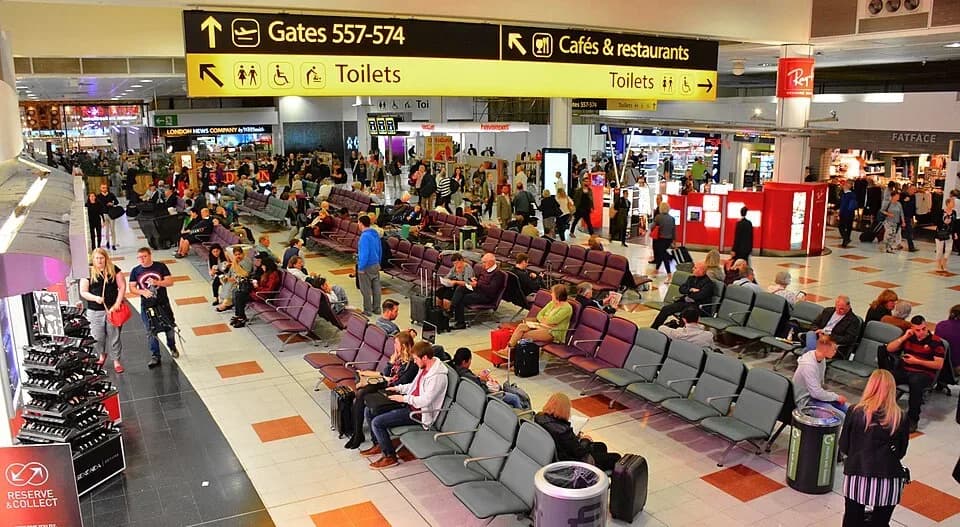
Best Time to Book Christmas Flights in 2026: The Window Is Now
Which?'s research on Skyscanner data says December flights are usually cheapest booked 5 to 11 weeks out. Christmas is about 10 weeks away. We checked real Christmas fares too.
· 3 min read

Australia's Labour Government Targets Backpacker Visas in New Immigration Plan
Labour's new immigration plan takes aim at backpackers, students and visa overstayers in Australia, with the Greens calling it a race to the bottom.
· 2 min read
Australia to Cut Working Holiday Visa and Student Visa Numbers
Australia is reportedly planning to cut student visa and backpacker visa numbers as part of a broader migration kerb, according to dw.com.
· 2 min read
Latest Articles
View all articles
GHIC and Travel Insurance in Europe: What the Card Won't Cover
The free UK GHIC gets you state healthcare in Europe, but it won't fly you home, pay for a private clinic or a mountain rescue. Here's exactly where it stops.
· 2 min read

Why Your Flight to America Goes Over Greenland
Look at the flight map on a London to LA flight and it bends up over Greenland. It isn't a detour. It's the shortest way round a round planet, and here's why.
· 1 min read
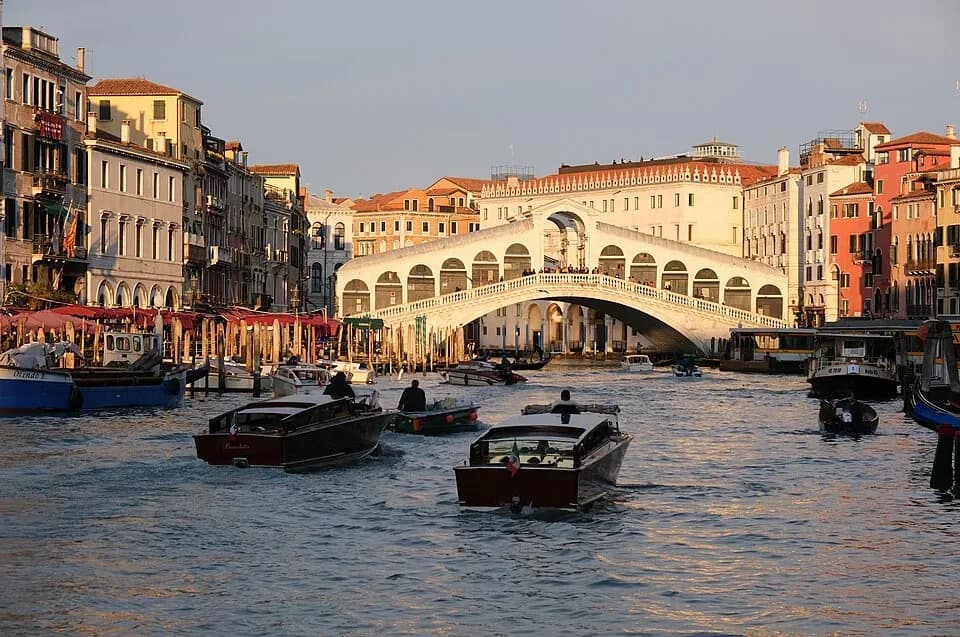
Tourist Taxes in Europe 2026: Barcelona, Venice and Edinburgh
Barcelona doubled its tourist tax in April, Edinburgh started a 5% visitor levy in July, and Venice's day-tripper fee has ended for 2026. What each one costs you.
· 2 min read