Central Asia's Single Visa Plan Is Back
Kyrgyzstan is pushing to revive a single visa idea for Central Asia, a Schengen style permit, with backing from Uzbekistan, Tajikistan, Turkmenistan and Azerbaijan too.
Central Asia's Single Visa Plan Is Back: One Visa for the Silk Road and a New Gateway to Asia
TL;DR: Kyrgyzstan has revived the idea of a single Silk Road visa that would cover Central Asia the way Schengen covers Europe, letting you visit several countries on one permit instead of chasing a separate visa for each. Kazakhstan and Uzbekistan are backing it, with Tajikistan, Turkmenistan and Azerbaijan named as possibles. It is still only a political discussion, with no agreement, no launch date and no application yet, so do not plan a trip around it. The bigger takeaway for travellers is that Central Asia is already easy and cheap to reach, and it works brilliantly as a low cost stepping stone on the way east into Southeast Asia.
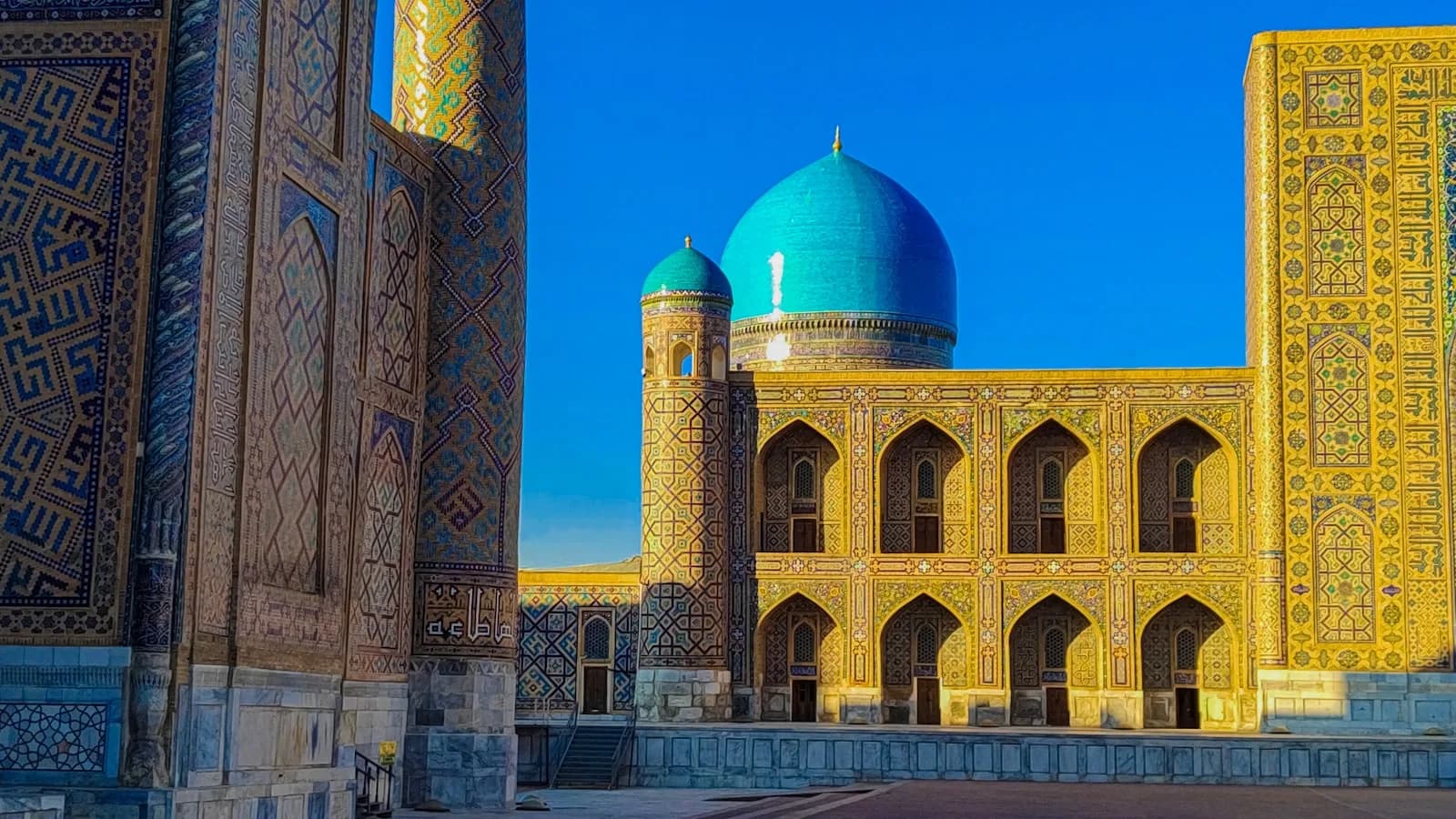
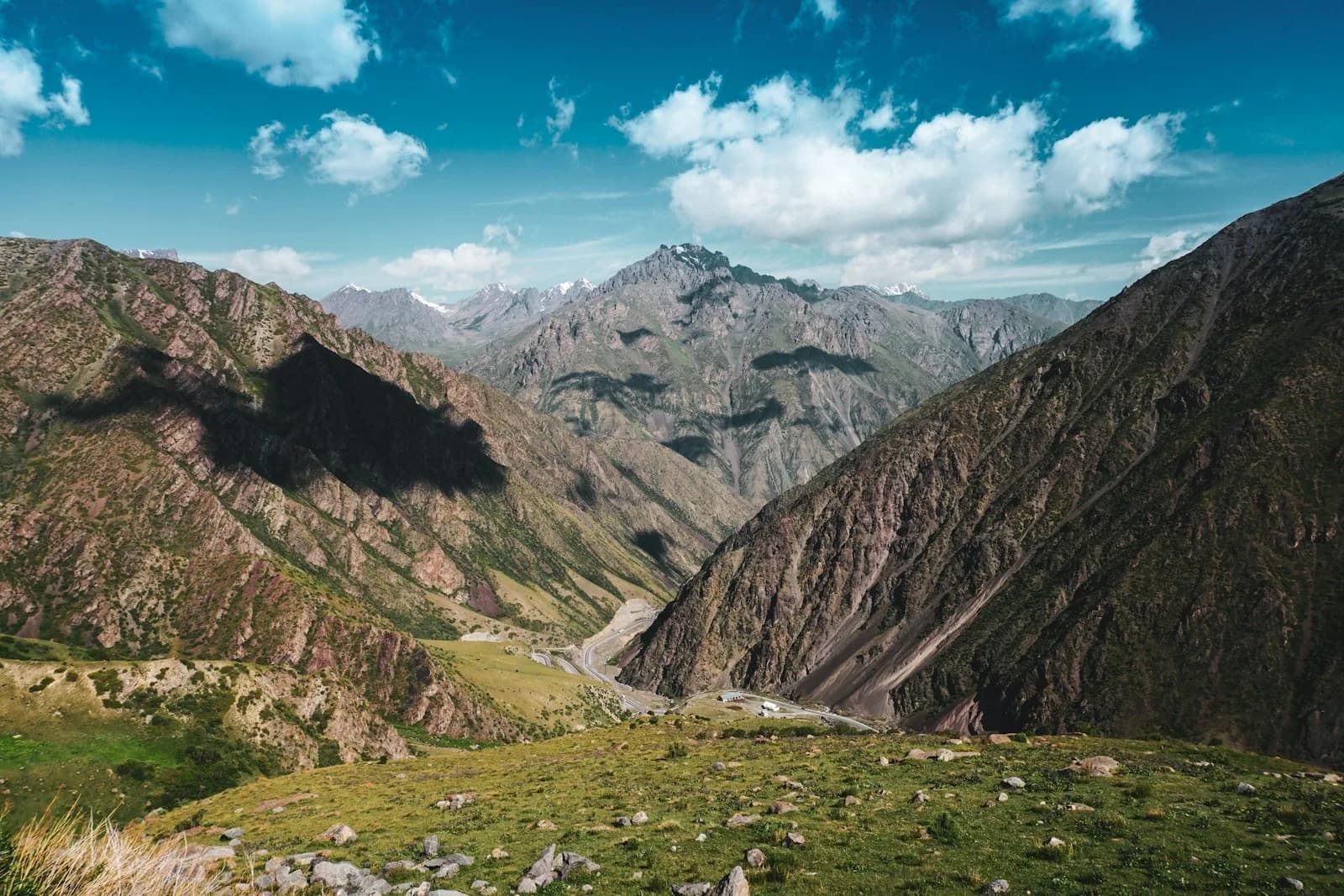
Central Asia has always had a paperwork problem. The scenery is the stuff of bucket lists, the tiled cities of the old Silk Road, the high passes of Kyrgyzstan, the deserts of Turkmenistan, but stitching a multi country trip together has meant juggling a different visa, a different rulebook and sometimes a letter of invitation for each border. That is exactly the friction the region is now trying to remove. Kyrgyzstan has put a single Central Asia visa back on the table, and if it ever lands it could open the whole region up to travellers in one move. Here is where the plan actually stands, and why the region is worth putting on your route even before any of it happens.
What is the Central Asia single visa plan?
It is a proposal for one shared tourist visa that would let travellers move between the Central Asian countries on a single authorisation, rather than applying separately for each. The comparison everyone reaches for is the Schengen Area, where one visa covers most of Europe, and the working nickname for the Central Asian version is the Silk Road visa. Kyrgyzstan first floated the idea in early 2025, and it picked up fresh momentum in mid 2026 when it was raised again at a regional summit. The goal is simple: make the region easier to sell as a single destination, so a visitor books Kazakhstan, Kyrgyzstan and Uzbekistan as one holiday instead of being put off by the admin.
For now this is a direction of travel, not a product you can buy. There is no agreed scheme, no working group, no roadmap and no application process, which is the honest headline you will not always see. If you want to follow the politics as it develops, Eurasianet's Central Asia coverage is tracking it closely.
Which countries are backing the Silk Road visa?
Three countries are driving it and a few more are watching from the sidelines. The core supporters are the ones already easiest to visit.
- Kyrgyzstan: the country pushing the plan hardest. President Sadyr Japarov used a July 2026 regional summit to call on the countries' foreign ministries to step up consultations and work toward a coordinated position.
- Kazakhstan: the region's biggest economy and busiest air hub, and a confirmed backer of the single visa idea.
- Uzbekistan: home to the headline Silk Road cities of Samarkand, Bukhara and Khiva, and the third confirmed supporter.
- Tajikistan, Turkmenistan and Azerbaijan: named as possible future participants rather than confirmed members. Turkmenistan is the big question mark, because its entry rules are far stricter than its neighbours' and bringing it into a shared visa would be the hardest part of the whole plan.
That gap in entry policy is the core challenge. Kazakhstan, Kyrgyzstan and Uzbekistan already wave a lot of nationalities in with no visa at all, while Turkmenistan still leans on invitations and tightly controlled permits. Before any single visa can work, the countries have to agree on who is eligible, how long it lasts, how many entries it allows, how border data is shared and how much it costs. None of that is settled.
Want to see where your money actually goes? BudgetBro tracks it in any currency, free.
When could a single Central Asia visa actually launch?
There is no launch date, and it would be a mistake to plan a trip around one. The initiative is still at the discussion stage: leaders have agreed it is a good idea in principle and asked officials to keep talking, which is a long way from a signed agreement. The next regional leaders' meeting is scheduled for October 2026 in Turkmenistan, but there is no firm sign the single visa will even be on the formal agenda, let alone finalised there. Realistically this is a multi year project, the kind of thing that gets announced, stalls, and gets announced again. Treat it as a promising signal to watch, not a plan to book flights around.
What would it mean for travellers and backpackers?
For anyone who likes to travel slowly across a whole region, it would be a genuine unlock. Right now a classic Central Asia loop, say Almaty in Kazakhstan, then the mountains and lakes of Kyrgyzstan, then the tiled cities of Uzbekistan, means lining up the right visa or visa free window for each country and hoping the timings work. A single Silk Road permit would collapse all of that into one application, which is the single biggest thing standing between the region and a lot more visitors. It would especially suit backpackers and long stay travellers, the people most likely to want three or four countries in one trip rather than a single city break.
It also fits a much wider pattern. Across Asia, governments are competing to make entry easier, from Cambodia opening up visa free travel to the spread of digital arrival cards and long stay nomad routes. A Central Asian single visa would be this region's version of the same race, and that competition almost always works in travellers' favour.
Why Central Asia is becoming a new gateway to Southeast Asia
Here is the part that matters even if the single visa never happens. Central Asia has quietly turned into one of the cheapest and most interesting ways to get from Europe towards Asia, which makes it a natural first leg on a longer trip east. Budget airlines have flooded into the region from Europe, so flights into Kazakhstan, Uzbekistan and Kyrgyzstan are often a fraction of what you would pay to fly straight to Bangkok. You land somewhere genuinely different, spend a week or two on the Silk Road, and then continue east rather than treating it as a detour.
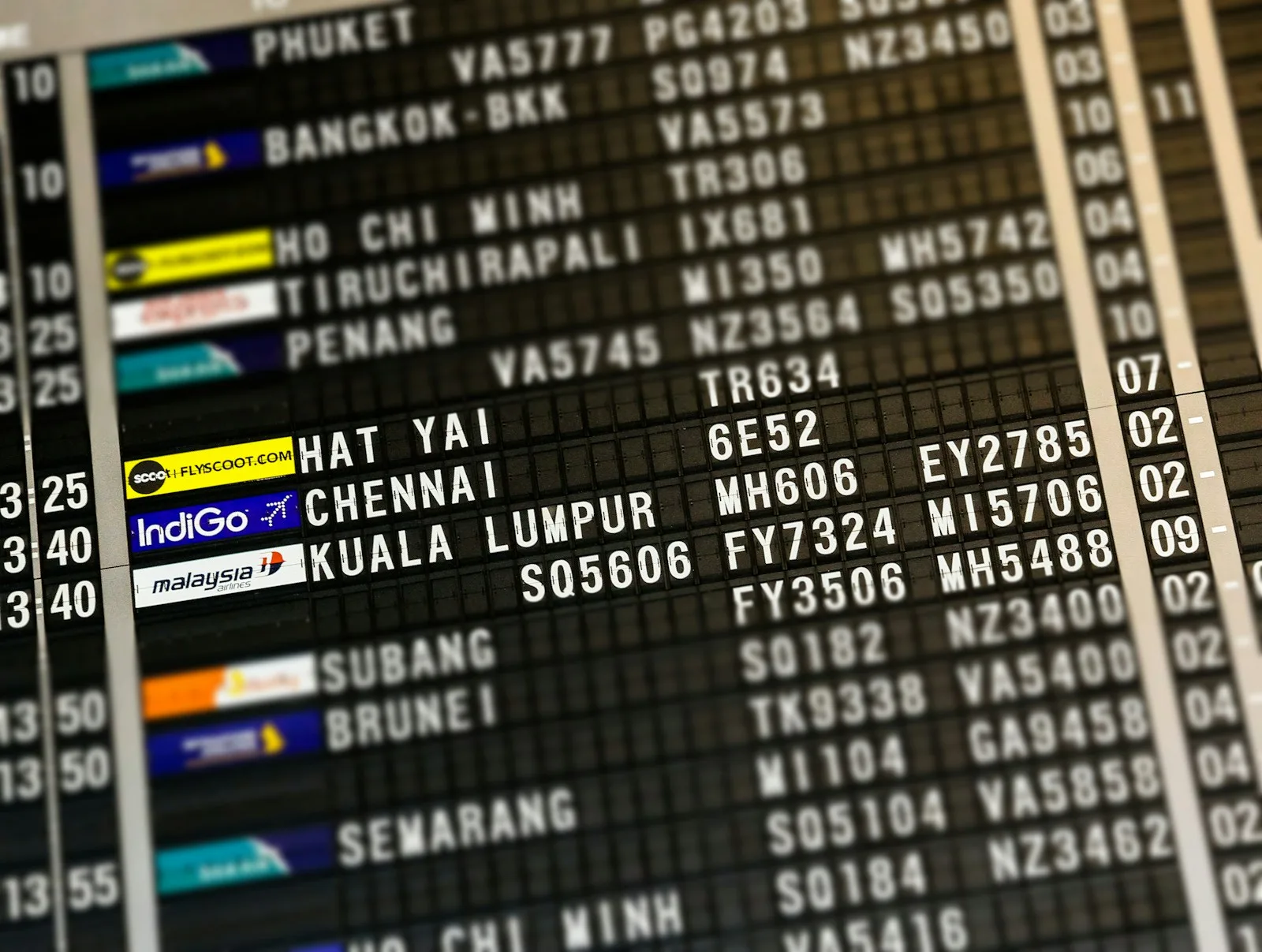
From Central Asia the onward hop into Southeast Asia is straightforward. Regional carriers such as Air Astana and Uzbekistan Airways run links from hubs like Almaty and Tashkent toward Southeast Asian gateways including Bangkok and Kuala Lumpur, and one stop routings through the Gulf or China are common and cheap. Once you are in Bangkok or KL you are on the doorstep of everything else, and our roundup of cheap flights into Southeast Asia covers the onward legs. Airline schedules in this part of the world change often, so always check live routes before you build an itinerary around a specific flight.
The overland romance is real too. Central Asia sits on the historic Silk Road that ran all the way to China and beyond, and while you cannot simply drive border to border into Southeast Asia, the region works beautifully as the middle chapter of a big Europe to Asia overland trip. If you are weighing the two ends of that journey against each other, our comparison of travelling Europe versus Southeast Asia is a useful gut check.
How do you visit Central Asia right now?
You do not need to wait for a single visa, because the three core countries are already some of the easiest in Asia to enter. Kazakhstan, Kyrgyzstan and Uzbekistan let many nationalities, including UK, EU and US passport holders, in with no visa at all for stays of roughly 30 to 60 days depending on the country, and Kyrgyzstan in particular is very generous. Tajikistan runs a simple e visa. Turkmenistan is the outlier that still requires a proper visa, usually a transit visa or one tied to a tour, so plan that leg carefully or leave it out.
Because the rules differ by country and change fairly often, check each one before you fly rather than assuming the region is uniform. The traveller focused visa guides at Caravanistan are the long standing go to for exactly this, with up to date country by country detail. If you are the sort of person eyeing this region as a base rather than a quick trip, it is also worth reading up on the digital nomad visa landscape and, if you plan to end up further east, Thailand's long stay DTV visa.
Frequently Asked Questions About the Central Asia Single Visa:
Is there a single Central Asia visa yet?
No. As of 2026 it is only a proposal that Kyrgyzstan has revived, backed by Kazakhstan and Uzbekistan. There is no agreed scheme, no launch date and no way to apply. You still enter each Central Asian country under its own rules for now.
Which countries would the Silk Road visa cover?
The confirmed backers are Kyrgyzstan, Kazakhstan and Uzbekistan. Tajikistan, Turkmenistan and Azerbaijan have been named as possible future participants, but none is committed, and Turkmenistan's much stricter entry rules make it the hardest country to fold into a shared visa.
Do UK, US or EU travellers need a visa for Central Asia now?
For the three core countries, usually not. Kazakhstan, Kyrgyzstan and Uzbekistan grant visa free entry to many nationalities, including UK, EU and US passport holders, for stays of around 30 to 60 days depending on the country. Tajikistan uses an e visa, and Turkmenistan still requires a full visa. Always confirm the current rule for your passport before you travel.
Can you travel from Central Asia on to Southeast Asia?
Yes, and it is a popular way to do it. Central Asia is cheap to reach from Europe, and carriers such as Air Astana and Uzbekistan Airways, plus one stop routings through the Gulf or China, connect hubs like Almaty and Tashkent to Southeast Asian gateways including Bangkok and Kuala Lumpur. It works well as the first leg of a longer trip east.
When will the Central Asia single visa launch?
There is no confirmed date. The idea is still being discussed by regional leaders, who have asked their foreign ministries to keep working on it. The next leaders' meeting is due in October 2026 in Turkmenistan, but there is no guarantee the single visa will be finalised, or even formally on the agenda. Treat it as a plan to watch rather than one to rely on.
Whether or not the Silk Road visa ever arrives, Central Asia is one of the best value regions in the world to travel right now, and an easy on ramp to the rest of Asia. The one thing that catches people out is the money side: you will be hopping between the tenge, the som, the Uzbek sum and, before long, the baht, so keeping a clear picture of your spending across currencies matters. BudgetBro helps backpackers and long stay travellers track money across more than 160 currencies and see exactly where every note is going, from Bishkek to Bangkok. If you are wondering whether that is worth an app at all, here is our honest take on travel budgeting apps. Visa rules change often, so always confirm current requirements with an official source before you book.
Comments
No comments yet. Be the first to share your thoughts.
Related Articles

Inti Raymi
The Inca Festival of the Sun, staged each 24 June above Cusco at Sacsayhuamán.
· 1 min read

Bansko Nomad Fest
Europe's mountain nomad festival: conference sessions, skill shares and evening activities.
· 1 min read

Sónar Barcelona
Barcelona's landmark festival of electronic music, creativity and technology.
· 1 min read
Latest Articles
View all articles
Mini Lesson 13: How Brazilians Really Talk About How They're Feeling
Ask a Brazilian how they're doing and you'll get anything from tá de boa to deu ruim. Here are eight phrases locals actually use for mood, patience, and one word that can mean angry or brilliant.
· 2 min read

Cheapest Day Trips From London in October 2026, Costed
Ten day trips from London this October that come in under £100 per person, flights and the day on the ground included. Real fares, cheapest first.
· 4 min read

Things to Do in Barcelona in November: A Day Trip from the UK
Sagrada Família, the Gothic Quarter and a free seafront walk, all doable on one long Friday from the UK with about 11.8 hours on the ground.
· 4 min read