
Nipah Virus 2026 Traveller Update
Heading to Southeast Asia from India? Don't let the headlines stall your trip. Major hubs in Thailand, Singapore, and Cambodia have reintroduced health screenings following a localised Nipah virus outbreak. Here is what to expect at airports across SEA.

Last updated: 29th January, 2026
Nipah Virus 2026: What Travellers Need to Know About Asia Airport Screenings
Backpacking Southeast Asia right now? There’s a lot of talk about the Nipah Virus (NiV) following a small outbreak in West Bengal and Kerala, India.
While the risk to the average traveler remains low, several major SE Asia hubs have brought back "COVID-style" screening to keep things in check. If you’re flying between India and Southeast Asia, here is what you need to know.
Quick Facts: TL;DR
- The Risk: There is a limited, localised outbreak in India (specifically West Bengal and Kerala). While serious, Nipah is a "poor spreader", it doesn’t transmit easily through casual contact, crowds, or public transport.
- How it Spreads: Primarily via fruit bats, pigs, or very close contact with someone already sick (usually in a home or hospital setting).
- Symptoms: Starts like a heavy flu (fever, headache, sore throat) but can lead to severe respiratory issues or neurological symptoms like dizziness and confusion.
- The Travel Verdict: No need to cancel your trip. Authorities are simply being extra cautious to ensure these small clusters stay contained.
- Treatment: There is no vaccine yet; care is focused on managing symptoms.
Airport Checks: What to Expect
If you are flying into the below countries, especially from India, or if you have a recent travel history there, expect extra checks and steps for your time at the airport.
Want to see where your money actually goes? BudgetBro tracks it in any currency, free.
1. Thailand (Suvarnabhumi, Don Mueang, Phuket)
Thailand is on high alert. They’ve implemented a "three-phase" measure for flights arriving from risk areas.
- The T.8 Form: You might be asked to fill out a health declaration form before landing.
- Fever Checks: Automated thermal scanners are active. If you have a fever, you’ll need a "Fit-to-Fly" certificate or face immediate isolation.
- "Health Beware" Cards: Officials are handing these out to arrivals. Keep it—it tells you which symptoms to watch for and where to go if you feel sick.
- Source: Nation Thailand / Ministry of Public Health
2. Singapore (Changi Airport)
Singapore has officially stepped up surveillance as of late January 2026.
- Temperature Screening: Active for all travelers arriving from affected regions.
- Health Advisories: You’ll receive digital or physical notices at entry points advising you to monitor your health for 14 days.
- Source: Communicable Diseases Agency (CDA) Singapore
3. Malaysia (KLIA / KLIA2)
Since Nipah was first discovered in Malaysia in 1998, they take this very seriously.
- Point of Entry Screening: Increased thermal scanning and health interviews for those coming from South Asia.
- Field Surveillance: They are coordinating with veterinary services to ensure local bat populations aren't carrying it (currently, they are clear).
- Source: Ministry of Health (MOH) Malaysia
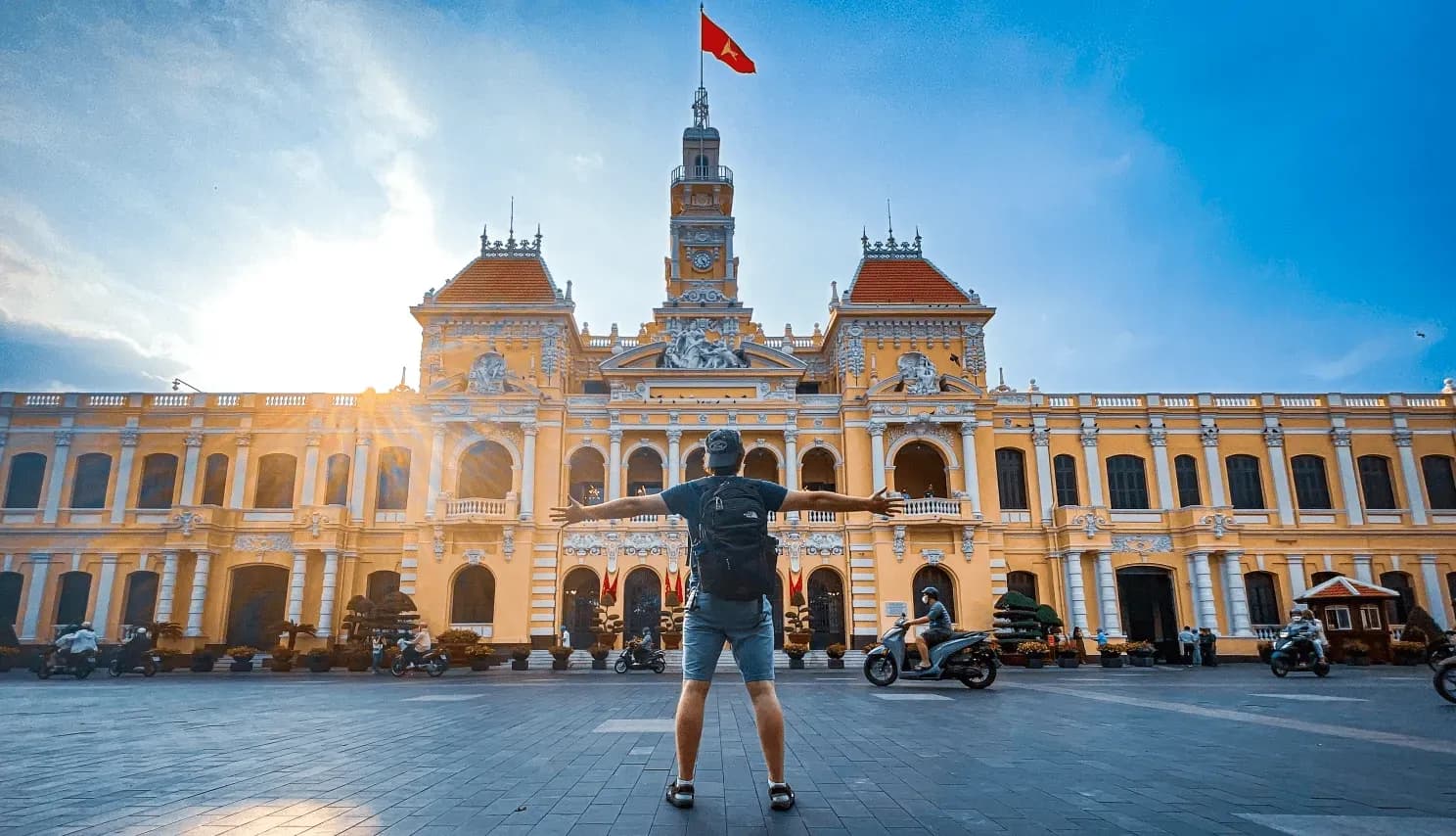
4. Vietnam (Tan Son Nhat & Noi Bai)
Vietnam has classified Nipah as a "Group A" (most dangerous) infectious disease.
- Strict Isolation: In HCMC, anyone showing fever or "neurological abnormalities" (confusion/dizziness) is sent straight to the Hospital for Tropical Diseases.
- 14-Day Monitoring: Travelers from India are urged to self-monitor for two weeks after entry.
- Source: Vietnam Ministry of Health / VietNamNet
5. Cambodia (Techo International Phnom Penh)
Cambodia's Ministry of Health (MOH) issued a high-priority alert on 25th January, 2026. This is due to recently launched new direct flight routes between India and its major tourist hubs, the government is moving fast to secure entry points.
- Arrival Screening: New quarantine and surveillance protocols at Techo International Airport. Travellers from India should expect thermal scanning and potential interviews regarding a 21-day travel history.
- Targeted Routes: Surveillance is specifically intensified for passengers on the new direct flights: Air Cambodia (New Delhi to Phnom Penh) and IndiGo (Kolkata to Siem Reap).
- The "Seven-Point" Guide: The MOH has urged the public and travellers to avoid raw palm sap and fruits that appear bitten or partially eaten by bats.
- Bat Population Monitoring: While no human cases have been found in Cambodia in 2026, the virus has been detected in local Cambodian fruit bats in the past, leading the CDC to maintain "Level 2" surveillance in rural areas.
- Source:Khmer Times / Cambodia Ministry of Health
Traveller Tips: How to Stay Safe
- Skip the "Bat Fruit": In India or border regions, avoid fruit that looks like it’s been nibbled on. Also, skip raw date palm sap (a common local drink) as bats love it too.
- Wash Your Hands: Standard advice, but it works. Use alcohol-based sanitiser after using public transport.
- The 14-Day Rule: If you’ve been in Kerala or West Bengal, keep an eye out for a "flu-plus" feeling (fever, headache, and especially confusion or drowsiness) for two weeks.
- Don't Panic: Unless you are working in a healthcare setting in the outbreak zone or handling bats, your risk is extremely minimal. These airport measures are mostly to catch the rare "imported" case before it spreads.
- Ensure you have adequate travel insurance.
Planning the rest of your trip? We also cover UK to Southeast Asia, Why You Need Travel Insurance and Central Asia's Single Visa Plan Is Back.
Comments
No comments yet. Be the first to share your thoughts.
Related Articles

Central Asia's Single Visa Plan Is Back
One Visa for the Silk Road and a New Gateway to Asia?
· 9 min read

Cheapest Flights to Asia August
Flying from the UK to Bangkok in August or September 2026? Here are the cheapest airlines, the direct options, and the best budget layover routes from every major UK airport, plus fares to the rest of Asia.
· 9 min read
Vietnam's Digital Arrival Card
Vietnam's free Digital Arrival Card is now live at four airports, including Hanoi and Da Nang. Here's exactly how to do it.
· 5 min read
Latest Articles
View all articles
Arab Nomad Fest 2026
A week long hybrid festival on Morocco's Atlantic coast bringing together Arab digital nomads, remote workers, freelancers and creators for growth and genuine connection.
· 1 min read

Arab Nomad Fest
A blend of masterminds, surfing, and cultural experiences in Taghazout.
· 1 min read

Palma Day Trip From the UK: Flights, Times and the Full Cost
Every UK airport with a same-day return to Palma, the cheapest dates and what the day on the ground costs.
· 1 min read