Indonesia Is Raising Its Visa on Arrival Fee
Indonesia's Visa on Arrival fee is rising from Rp500,000 to Rp750,000 if paid before flying, or Rp1,000,000 (about $60) if paid after landing.
Indonesia Is Raising Its Visa on Arrival Fee
Quick answer: Indonesia's immigration department has confirmed it will raise the Visa on Arrival fee from the current Rp500,000. Under the new structure you pay around Rp750,000 if you apply for your electronic Visa on Arrival online before you fly, or around Rp1,000,000 if you get it at the airport counter after you land. No firm start date has been set yet, so the Rp500,000 rate still applies for now. The cheapest way to stay ahead of the change is to apply for the e-visa online before you travel.
If a trip to Bali, Lombok or Jakarta is on your list, there is a change worth knowing about. The Directorate General of Immigration, Ditjen Imigrasi, has said it plans to lift the price of the Visa on Arrival that most tourists use to enter Indonesia. It is not live yet, but the direction of travel is clear, and a little planning keeps the extra cost small.
What is changing?
Currently, the Visa on Arrival is a flat Rp500,000, which is roughly 30 US dollars or about 24 pounds. The plan replaces that single price with a two-tier structure that rewards travellers who sort their paperwork in advance.
- Apply for the electronic Visa on Arrival online before you fly: around Rp750,000, roughly 46 US dollars or about 36 pounds.
- Get the Visa on Arrival at the airport counter after you land: around Rp1,000,000, roughly 61 US dollars or about 48 pounds.
The gap is deliberate. Immigration wants more people to apply and pay online ahead of time, which trims the queues at the arrivals counter, so the on-arrival option is priced higher than the do-it-in-advance one.
Why is Indonesia raising the fee?
The Rp500,000 fee has not changed in a long time, and with the rupiah weaker against major currencies its real value has fallen, so immigration sees it as low relative to what the visa provides. Raising it lifts state revenue from the millions of tourists who arrive each year.
There is an operational reason too. By making the online e-visa cheaper than the airport counter, Immigration hopes to push more arrivals to complete the process before landing, which eases congestion at Soekarno-Hatta and helps Jakarta's main airport hold onto its standing as a top-10 international airport for immigration handling according to Director General of Immigration, Hendarsam Marantoko.

Want to see where your money actually goes? BudgetBro tracks it in any currency, free.
When does the new fee start?
There is no confirmed date published. The announcement set out the new tariff and the reasoning behind it, but immigration described it as an adjustment that is still being finalised rather than something already in force. Until it takes effect, the current Rp500,000 fee is what you pay on arrival. Because the exact timing can move, check the official portal for the live price before you travel, especially if your trip is a few months out.
Who needs a Visa on Arrival for Indonesia?
The Visa on Arrival is the standard tourist entry for around 90 eligible nationalities, including the UK, the US, Australia, Canada and most of the European Union. It allows a stay of 30 days and can be extended once, in country, for a further 30 days. It covers tourism, family visits, transit and limited business, and you will generally need a passport valid for at least six months and proof of onward travel.
It is worth knowing the rest of the entry picture before you fly. There has been ongoing debate about whether arrivals need to show bank statements or proof of funds, which we cover in our guide to showing bank statements to enter Bali, so it is sensible to have your documents in order alongside the visa.
How do you apply for the e-visa in advance?
The advance option, which lands you in the cheaper tier, is the electronic Visa on Arrival. You complete it on the official portal at evisa.imigrasi.go.id before you leave home. The steps are straightforward:
- Create an account and start a Visa on Arrival application.
- Enter your personal and passport details and upload a passport scan plus a photo.
- Pay the fee online by card.
- Receive the approved e-visa by email, usually as a document with a QR code.
On arrival you show the e-visa at the immigration desk, which is faster than joining the pay-here queue at the counter. Doing it this way is what secures the lower rate once the new fee is in place.
How does this affect your Indonesia budget?
In absolute terms the increase is modest. If you plan ahead and use the online e-visa, you are looking at roughly 12 to 15 pounds more than today, once per entry. Indonesia remains one of the best value destinations in Southeast Asia, and a rice bowl in a Bali warung or a night in a Canggu hostel still costs a fraction of what you would pay back home. We break down why the country punches above its weight in our look at Indonesia's islands, and cover the shifting rules for longer stays in our piece on the possible Bali Airbnb ban.
Budgeting a trip to Indonesia? Our Indonesia and Bali budget guide covers daily costs well beyond the visa fee.
Frequently Asked Questions About Indonesia's Visa on Arrival Fee:
How much is Indonesia's Visa on Arrival fee now?
Rp500,000, which is roughly 30 US dollars or about 24 pounds. That remains the price until the announced increase takes effect.
What will the new Visa on Arrival fee be?
Around Rp750,000, roughly 46 US dollars, if you apply for the electronic Visa on Arrival online before you fly, or around Rp1,000,000, roughly 61 US dollars, if you buy it at the airport counter on arrival.
When does the fee increase start?
No firm start date has been confirmed. Immigration has announced the new tariff but described it as still being finalised, so check the official e-visa portal for the current price before you travel.
Can I avoid the higher fee?
You can stay in the lower tier by applying for the electronic Visa on Arrival online before your flight rather than paying at the counter on arrival. It is cheaper and it also lets you skip the pay-here queue at the airport.
How long does the Visa on Arrival last?
It allows a 30-day stay and can be extended once, inside Indonesia, for a further 30 days, giving a maximum of 60 days.
A slightly higher entry fee is easy to plan around when the rest of your trip is under control. BudgetBro helps backpackers and long-stay travellers track spending across more than 160 currencies and set a trip budget for Indonesia so a visa tweak never throws you off. Entry rules and fees can change at short notice, so always confirm the current price and requirements at the official Indonesian e-visa portal before you travel.
Heading to Indonesia or elsewhere in the region? Sort your cover first with our guide to the best travel insurance for Southeast Asia and the wider Asia region.
Comments
No comments yet. Be the first to share your thoughts.
Related Articles
Australia to Cut Working Holiday Visa and Student Visa Numbers
Australia is reportedly planning to cut student visa and backpacker visa numbers as part of a broader migration kerb, according to dw.com.
· 2 min read
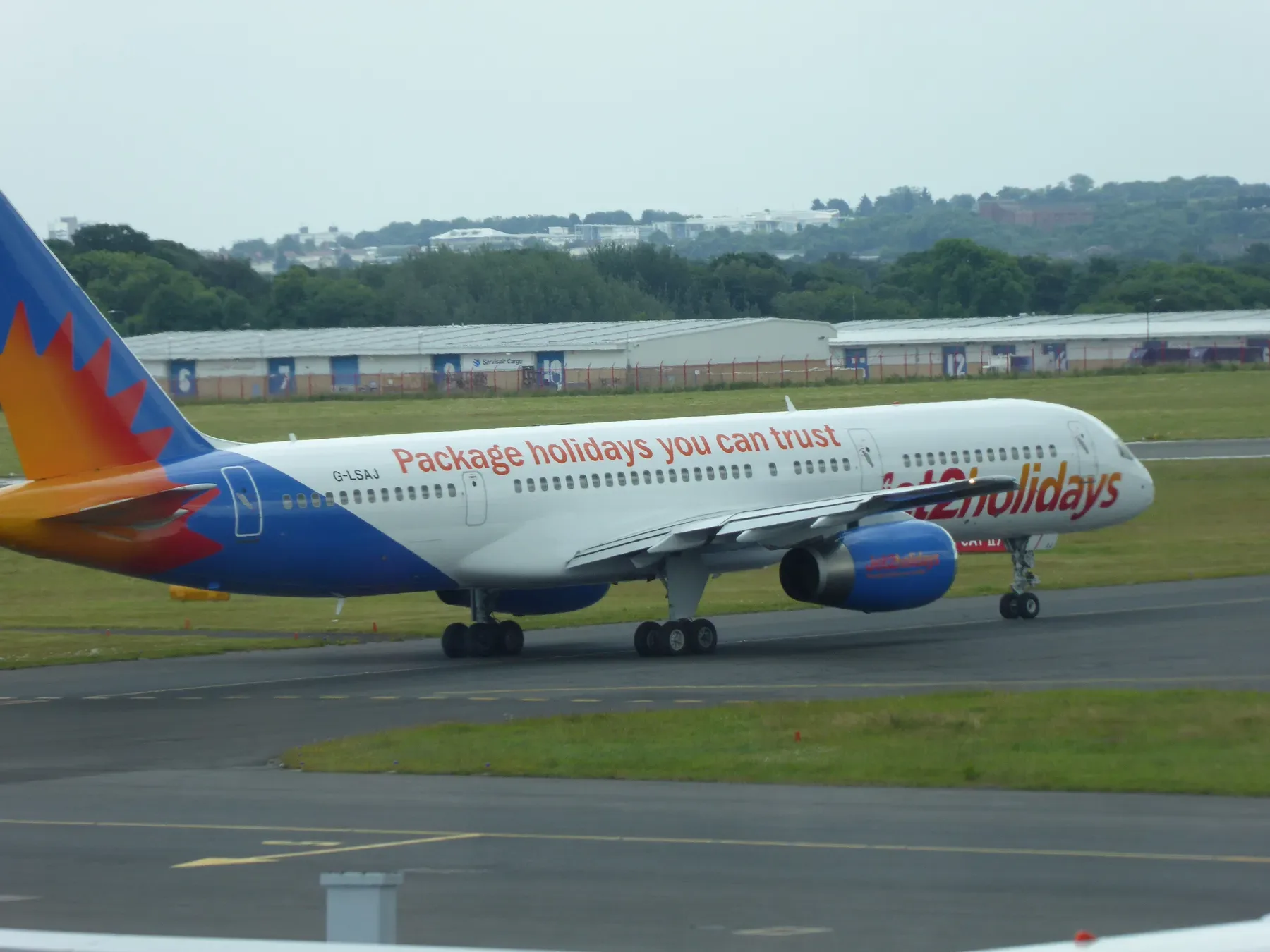
Jet2 Winter Sun From Newcastle 2026/27: All 14 Destinations
Jet2's winter 2026/27 programme from Newcastle Airport covers 14 sun destinations, from Tenerife up to 11 times a week to weekly Madeira and Agadir. Here's the full list.
· 2 min read
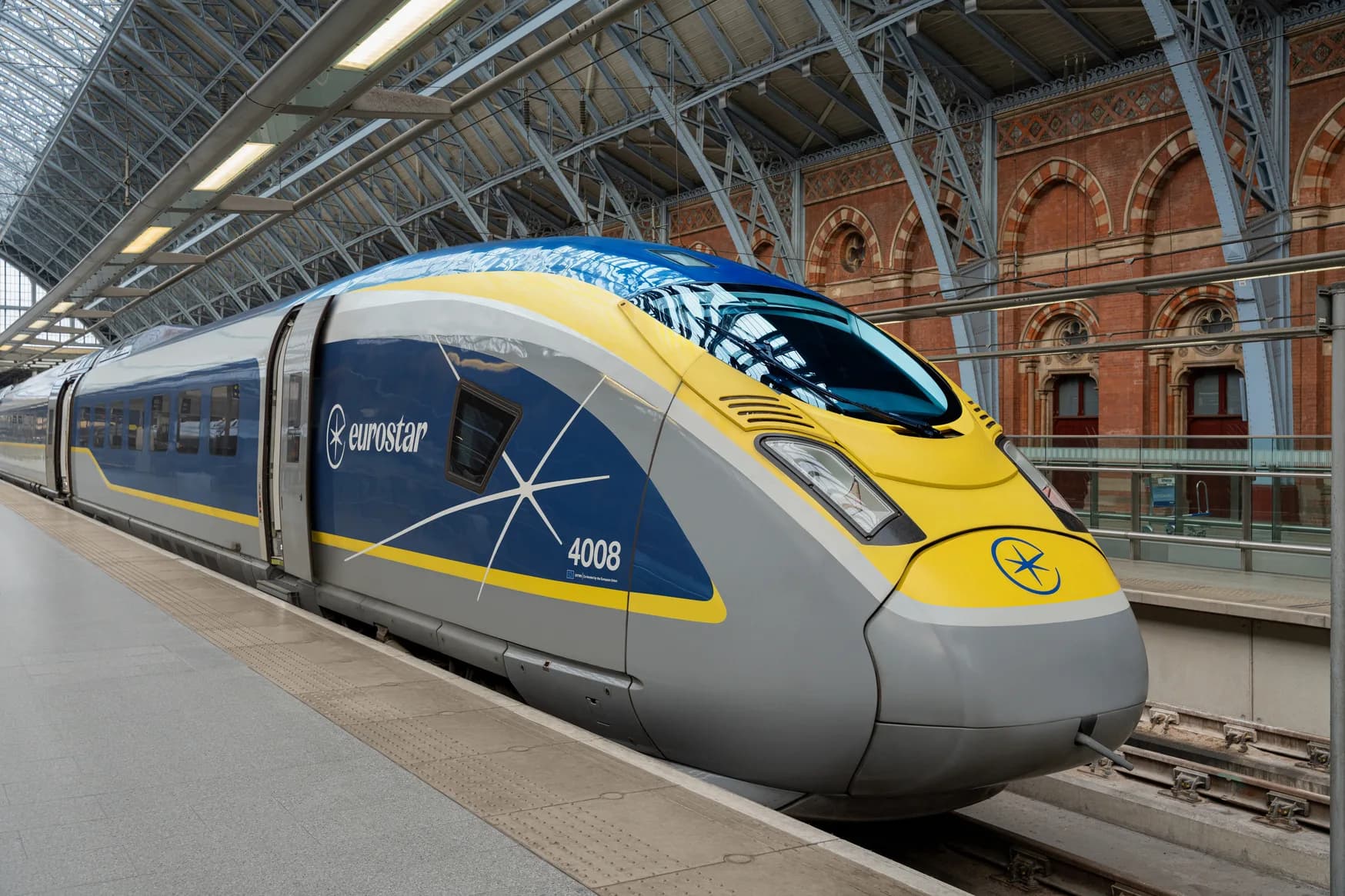
Eurostar Cuts London to Paris and Brussels Fares to £39
Eurostar has dropped fares to £39 for autumn journeys between London and Europe, though full route and date details are still thin.
· 2 min read
Latest Articles
View all articles
The Cheap Flights That Aren't: When the Airport Transfer Costs More Than the Flight
A £35 flight to Stockholm and a £48 train into town. Six day trips where the airport is the expensive bit, from our own flight and cost data.
· 2 min read

Berlin Christmas Markets Opening Day: Five Markets, One Day, About £109
Five Berlin Christmas markets open on Monday 23 November and a Stansted day trip gets you there for about £109 all in. Four of them are free, and the fifth is free at lunchtime.
· 2 min read

Wrocław Christmas Market Opening Day: A Day Trip for About £63
Wrocław's Christmas market opens on Friday 20 November and a day trip from Stansted comes in around £63 all in. Cheaper than Prague and Vienna, and it's open the day you land.
· 2 min read