
The Freedom Con: The Real Story of Brazil's Independence
Brazil's independence in 1822 was largely an elite-led political deal, not a popular uprising. The same landowners and slaveholders kept power under Dom Pedro. Brazil was the only country in the Americas to keep slavery after independence.
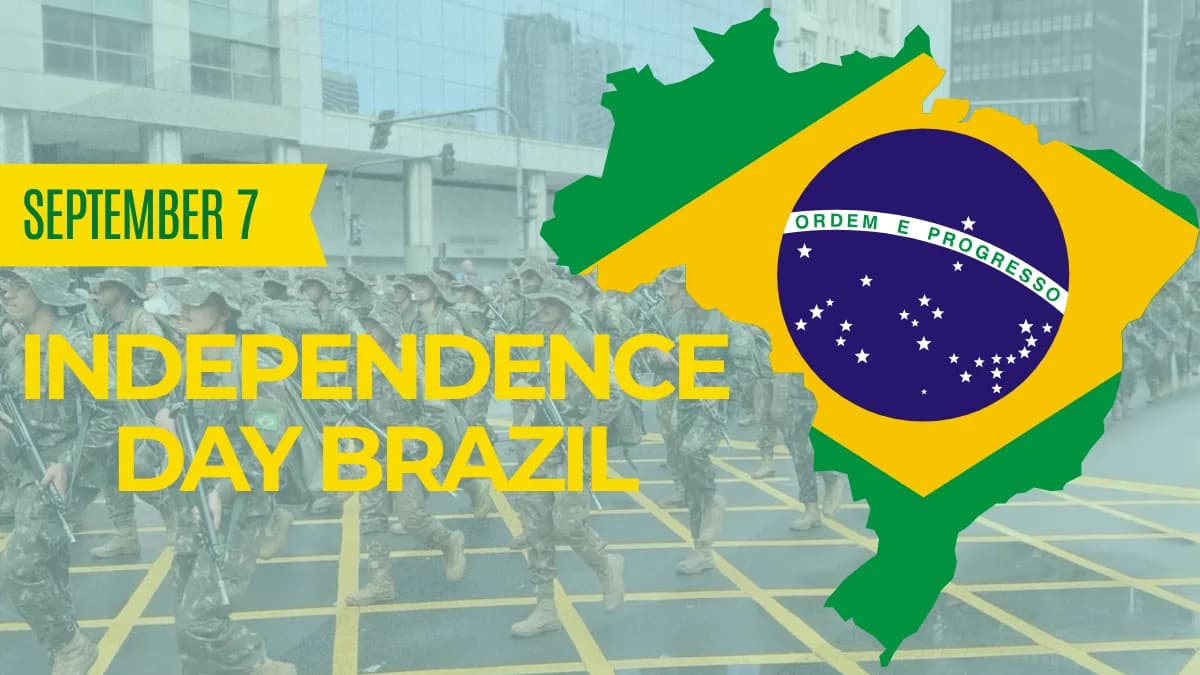
Brazil's Independence
If you're looking at it from the outside, Brazil's independence sounds like something out of a fairy tale: a heroic prince pulls out his sword by a riverbank and sets a country free. The real history is a lot uglier than that. Independence was really just the elites striking a deal among themselves to hang on to their privileges, their land and slavery.
The Invasion: Where the Looting Began (1500)
Brazil's story doesn't start with a "discovery". It starts with a violent invasion in 1500. Portuguese colonisers landed on land that belonged to indigenous people, took it by force, and wiped out most of the native population. For centuries these invaders stripped the country of its natural wealth, things like brazilwood (Pau Brasil) , gold and sugar, and used it to keep the European crown afloat, all built on the blood of enslaved indigenous and African people. Brazil was nothing more than a money-making venture to them.
Want to see where your money actually goes? BudgetBro tracks it in any currency, free.
Moving House: The European Elite Relocates (1808)
In 1808, running from Napoleon's wars back in Europe, the Portuguese royal family and their court of over 10,000 nobles fled to Rio de Janeiro. They didn't come out of any love for Brazil. They came to save their own skins.
To house all these new arrivals, thousands of Brazilians were kicked out of their own homes. Whatever infrastructure the crown built during this time was there purely for the comfort of the court and the big landowners, who were the ones cashing in on international trade. The invaders had simply moved their office to a new address.
Independence from the Top Down (1822)
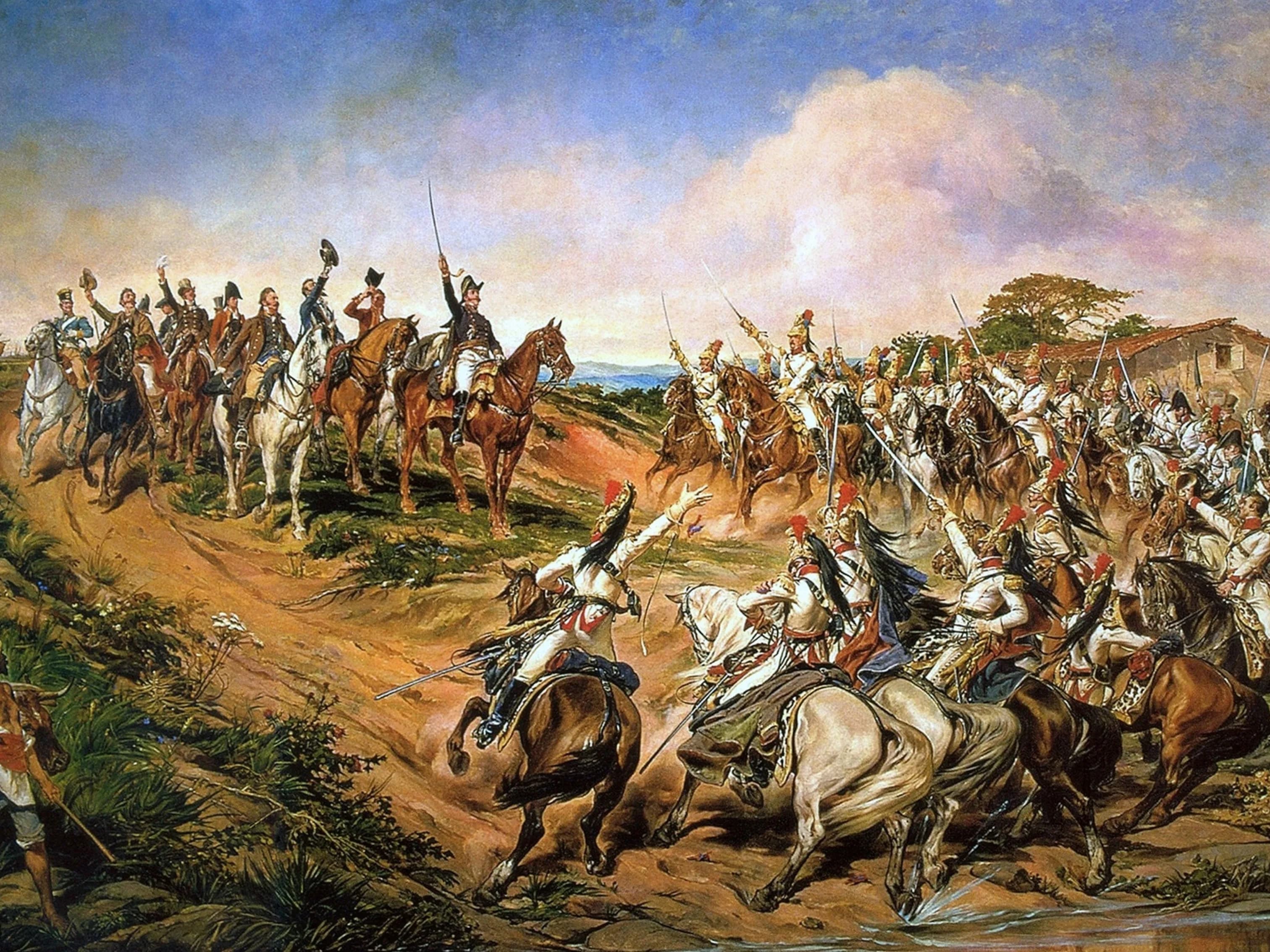
When King Dom João VI went back to Portugal, he left his son, Dom Pedro, in charge of Brazil. By 1822, worried that Portugal was going to strip away the trading privileges the Brazilian landowning elite had grown used to, that same elite teamed up with the prince to break away from Lisbon.
The famous "Cry of Ipiranga" on the 7th of September 1822 was a political stitch-up. Brazil became independent, but it was still being run by the son of the very people who'd colonised it in the first place. Power never went to the people. It stayed exactly where it had always been, in the hands of the same landgrabbers and slave owners.
Freedom Without the People
The real tragedy of Brazil's independence is that it was done by the elite, for the elite. Brazil was the only country in the Americas to hang on to slavery after gaining its independence.
Most of the population, enslaved Black people, indigenous people and poor labourers, were left out of it completely, with no access to education. Freeing a people without giving them education, rights and land isn't freedom. It's just abandonment. The 7th of September marked the birth of a sovereign state on paper, but real independence and citizenship for the Brazilian people stayed a promise that was never kept.
Want to Learn Portuguese?
I'm Samar, I'm Brazilian! Alongside writing these articles, I also teach Brazilian Portuguese, one-on-one or in small groups, for anyone who actually wants to learn properly. Every now and then I post mini lessons on everyday situations or special dates, like Brazil's Independence Day. If you're interested in learning, I have availability
Day trips in this article
The cheapest day trips of the week, by email
Comments
No comments yet. Be the first to share your thoughts.
Related Articles
Mini Lesson 13: How Brazilians Really Talk About How They're Feeling
Ask a Brazilian how they're doing and you'll get anything from tá de boa to deu ruim. Here are eight phrases locals actually use for mood, patience, and one word that can mean angry or brilliant.
· 2 min read
Mini Lesson 12: How to Actually Pronounce Rio's Neighbourhoods
Say where you're staying in Rio and the neighbourhood name usually comes out wrong before the sentence is even finished. Here's how Copacabana, Ipanema, Maracanã and more actually sound.
· 1 min read
Mini Lesson 11: How to Actually Pronounce Rio's Landmarks
Every tourist points at Pão de Açúcar, Cristo Redentor and Corcovado, but half of them can't actually say the names. Here's how they really sound, no history lesson attached.
· 1 min read
Latest Articles
View all articles
6 Day Trips Abroad From East Midlands Airport (Prices Checked)
Every city you can fly to and back from East Midlands Airport in a day, cheapest first, with flight times and the full cost.
· 1 min read
14 Day Trips Abroad From Stansted (Prices Checked)
Every city you can fly to and back from Stansted in a day, cheapest first, with flight times and the full cost.
· 1 min read

Day Trip to Brussels From London: Eurostar Beats Flying
For Brussels, the train wins. Two hours from St Pancras, centre to centre. Here's what the day costs, and when flying is worth it.
· 1 min read