Switzerland Just Got Cheaper and Faster for UK Travellers
The UK and Switzerland just signed a trade deal aiming to scrap roaming charges and bring e-gates to Zurich Airport by the end of 2026. Here's what travellers and nomads might want to know.

Switzerland Just Got Cheaper and Faster for UK Travellers
TL;DR: the UK and Switzerland signed a new trade deal on 13th July 2026 that aims to scrap roaming charges between the two countries and bring e-gates to Zurich Airport for UK passport holders by the end of 2026, with Geneva and Basel to follow. E-gates have a real timeline. Roaming does not, yet.
Switzerland has long been the annoying gap in a Europe trip for UK travellers. It's not in the EU, so it's never been covered by free roaming, and entry has always meant the regular passport queue rather than an e-gate. A new UK-Switzerland trade deal aims to fix both. Here's what's confirmed.
What's Actually In the Deal?
The Department for Business and Trade, announced by Peter Kyle MP, signed what it calls the most significant services trade deal the UK has ever negotiated, estimated to unlock £5.2 billion a year in additional UK services exports to Switzerland. Most of it is business focused (a permanent 90-day visa-free arrangement for services workers), but two parts matter directly if you're backpacking or working remotely through Europe: roaming and e-gates. Full detail is on the official GOV.UK announcement, also covered by CNBC.
Roaming Charges: What We Know So Far
The deal states the UK and Switzerland intend to include surcharge-free international mobile roaming between the two countries. That is the extent of what's confirmed: there is no start date yet, and no detail on whether it kicks in automatically across every network or needs individual carriers to roll it out. Until an actual date lands, assume normal roaming charges still apply and check with your network before you travel. This is still a meaningful signal though, Switzerland has been one of the few places in Europe where UK travellers reliably got hit with roaming charges, even on networks that cover the rest of Europe for free.
E-Gates at Zurich: A Real Date This Time
UK passport holders will be able to use e-gates to exit Switzerland via Zurich Airport from as soon as the end of 2026. That's exit only to start with, faster processing on your way out. Switzerland is working towards a timetable for entry e-gates at Zurich, Geneva and Basel too, but that has not been set yet. You'll still need to meet the normal Schengen entry requirements, e-gates just speed up the physical queue.
Want to see where your money actually goes? BudgetBro tracks it in any currency, free.
Why This Matters If You're Backpacking or Nomading Through Europe
Switzerland gets skipped by a lot of budget travellers, and the cost is the obvious reason, it's consistently one of the most expensive countries in Europe for food and accommodation. Roaming charges and slower airport queues were two more small frictions on top of that. Neither of those fixes the actual cost of a coffee in Zurich, but cheaper connectivity and a faster exit make it a slightly easier stop to justify on a longer Europe trip or a nomad route through the Alps.
Frequently Asked Questions:
When do roaming charges between the UK and Switzerland actually stop?
There's no confirmed date yet. The trade deal states both countries intend to scrap roaming surcharges, but implementation details and a start date have not been announced.
Will this apply to every UK mobile network automatically?
That is not yet clear from the announcement. Assume normal roaming charges apply in Switzerland until your specific network confirms otherwise.
Which Swiss airports are getting e-gates?
Zurich first, for UK passport holders exiting Switzerland, from as soon as the end of 2026. Geneva and Basel are expected to follow, with a timetable still to be set for entry e-gates too.
Do I still need my passport if I use an e-gate?
Yes. E-gates speed up the physical queue but you still need a valid passport meeting Schengen entry requirements, the gate just replaces having your passport checked in person.
Does this change the 90-day Schengen rule for UK travellers?
No. This deal is about roaming and airport processing, not visa rules. UK passport holders are still limited to 90 days in the Schengen Area within any 180-day rolling period.
Planning a Europe trip that includes Switzerland? BudgetBro tracks spending in over 160 currencies, including Swiss francs, so a pricey few days in Zurich sits alongside the rest of your trip in one place, not a separate mental tally.
If Switzerland is one stop on a longer trip, our Europe backpacking starter pack covers the rest of the route, and another change coming for UK travellers in Europe, so it's worth knowing both at once.
Day trips in this article
Comments
No comments yet. Be the first to share your thoughts.
Related Articles

Inti Raymi
The Inca Festival of the Sun, staged each 24 June above Cusco at Sacsayhuamán.
· 1 min read

Bansko Nomad Fest
Europe's mountain nomad festival: conference sessions, skill shares and evening activities.
· 1 min read

Sónar Barcelona
Barcelona's landmark festival of electronic music, creativity and technology.
· 1 min read
Latest Articles
View all articles
Incheon Nomad Festival
A two-week nomad gathering exploring remote work and Korean culture around Incheon and Seoul.
· 1 min read
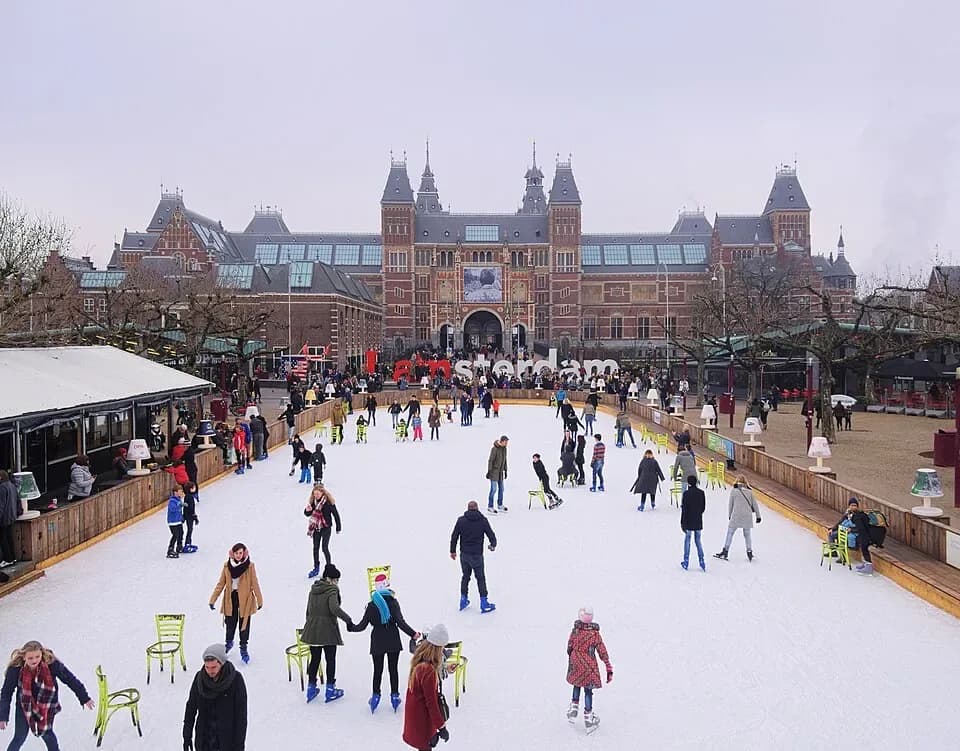
Amsterdam Christmas Market 2026: 3 Ways to Do It in a Day
Amsterdam's Christmas market on Museumplein runs 3 to 27 December, free to enter. From Gatwick on Wednesday 9 December it's £87 return with 9.5 hours in the city.
· 3 min read

Bruges Christmas Market 2026: Is a Day Trip Worth It?
Bruges' Christmas markets run 20 November to 3 January. Fly to Brussels, take the direct train, and you get about six hours in town for £132 in flights.
· 4 min read