Bro's Blogs· 4 min read
Rio Carnival 2026: The History and Traditions Behind the World’s Biggest Party
If you think Rio’s Carnival is just glitz and noise, think again. Behind the parades and parties lies centuries of resistance, religious ritual, and rebellion. This is the story that shaped the Carnival you’ll experience in Rio in 2026.
About the Rio Carnival in Brazil
From the Streets to the Stage: The Conflict That Shaped the Festival
Carnival in Rio de Janeiro was born out of class conflict. In the 19th century, there was Entrudo: a popular game where people threw water and flour at each other. The elite, finding this ‘uncivilised’, imported Masked Balls from Paris to bring luxury to the festivities..
- The Secret of the Masks: More than just aesthetics, the masks served to reverse roles. It was the only time when royalty dressed up as beggars to circulate anonymously, and high society women dressed as ‘mundane’ women to enjoy a freedom that was impossible during the rest of the year. This duality shaped Rio: the desire to be someone else is still the soul of every costume we see today.
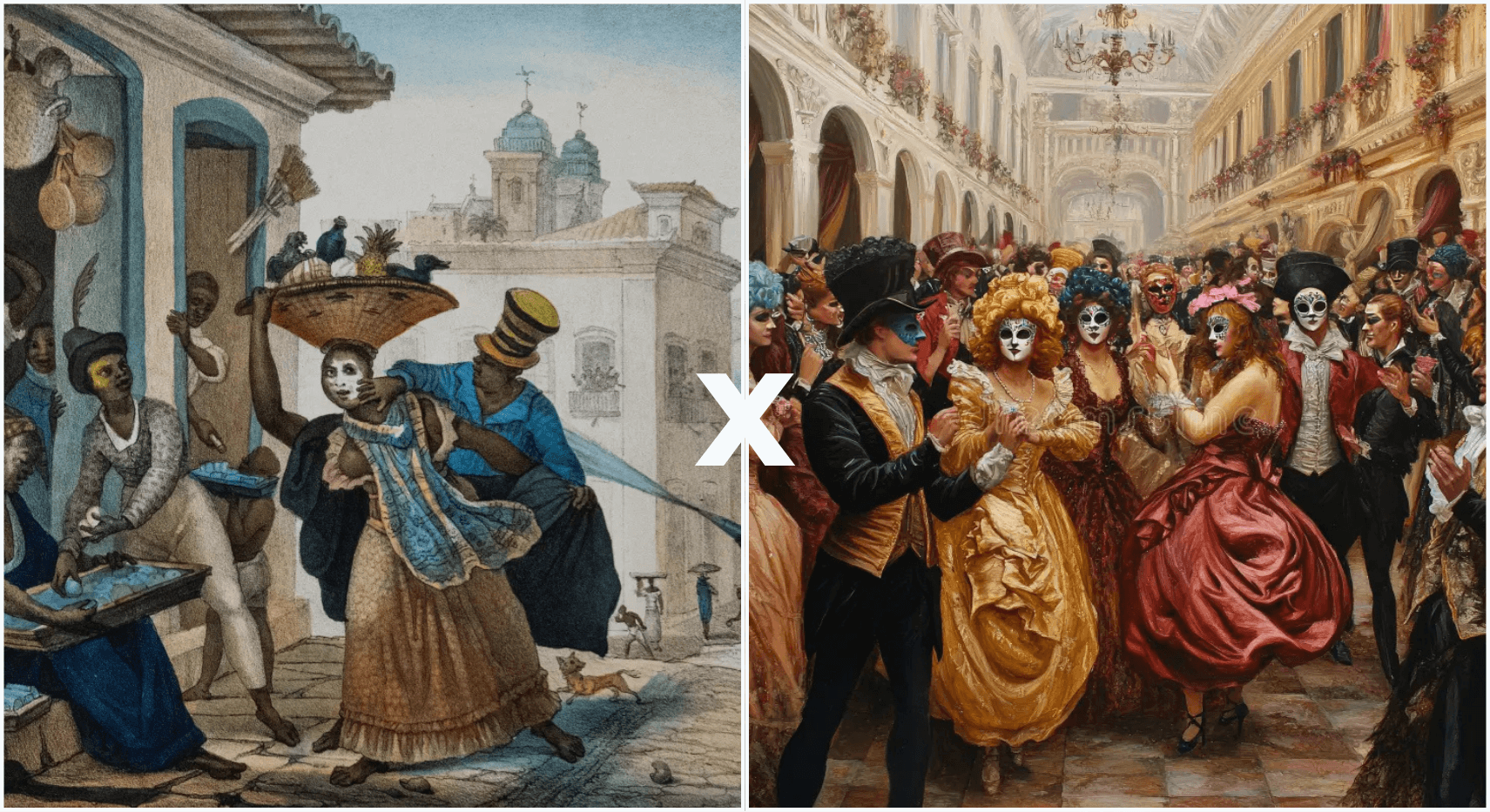
From the chaos of Entrudo to the luxury of balls: the duality that created Rio's Carnival
The Legacy of Tia Ciata: Where the Sacred and the Profane Meet
The ‘DNA’ of the festival lies in Little Africa. In the early 20th century, samba was persecuted by the police, and it was under the protection of Tia Ciata that it survived. A respected mother of saints, she opened her backyard to musicians: in the front room, the religious (sacred) ritual took place, and in the back, the batucada (profane).
This connection is the reason why every samba school has an Ala das Baianas (Baianas Wing). They are the spiritual shield of the school, representing the women who saved samba from extinction.
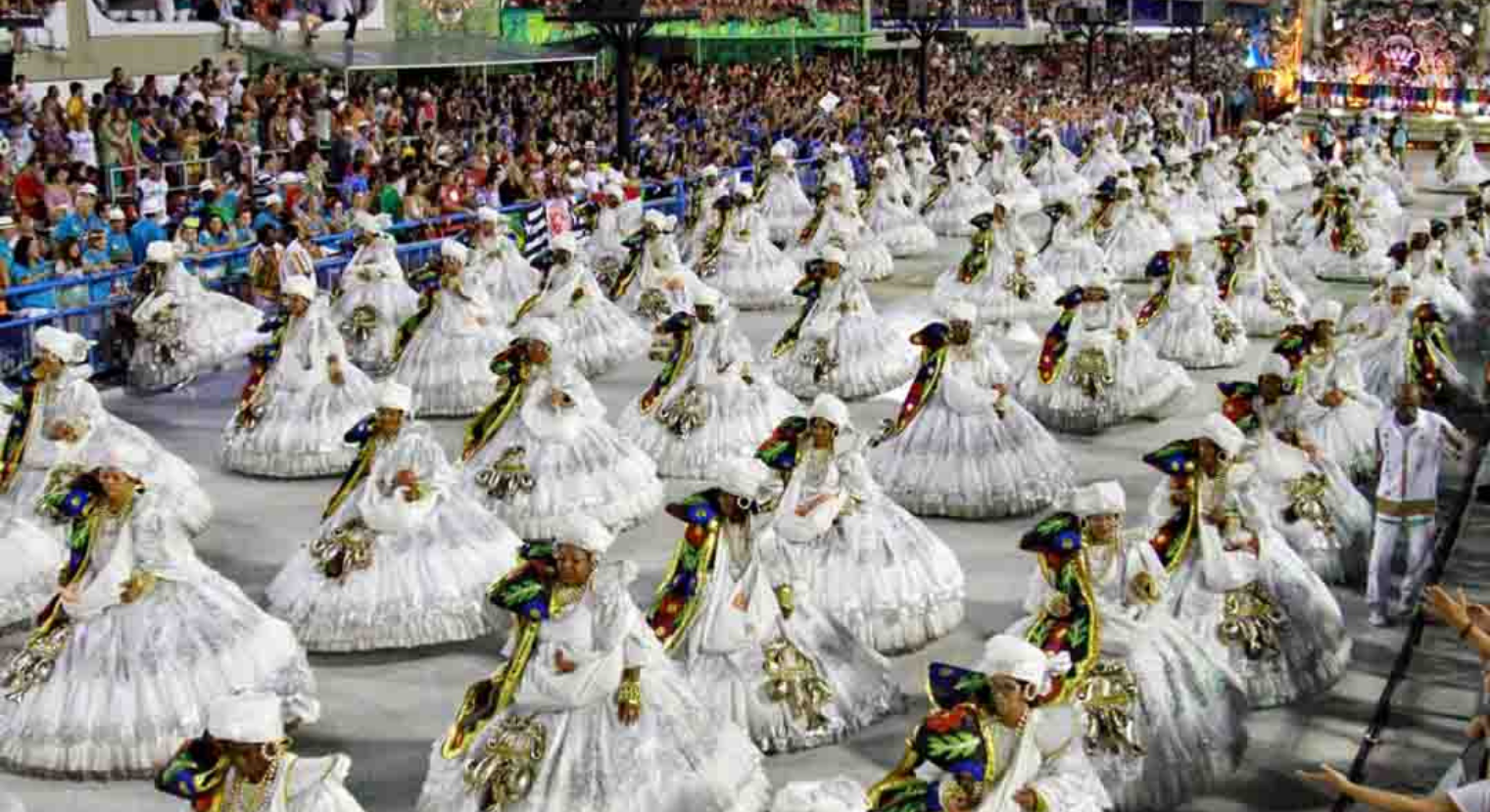
The Baianas: the spiritual shield and ancestry that protects samba
Samba Schools: From Quilombos to Popular Operas
Samba schools were born as urban quilombos. The term ‘school’ was chosen deliberately: it was the place where the culture of the favelas was taught to those whom the city tried to ignore. In 2026, when a school enters the avenue, it is transforming centuries of exclusion into a visual opera of luxury and power.
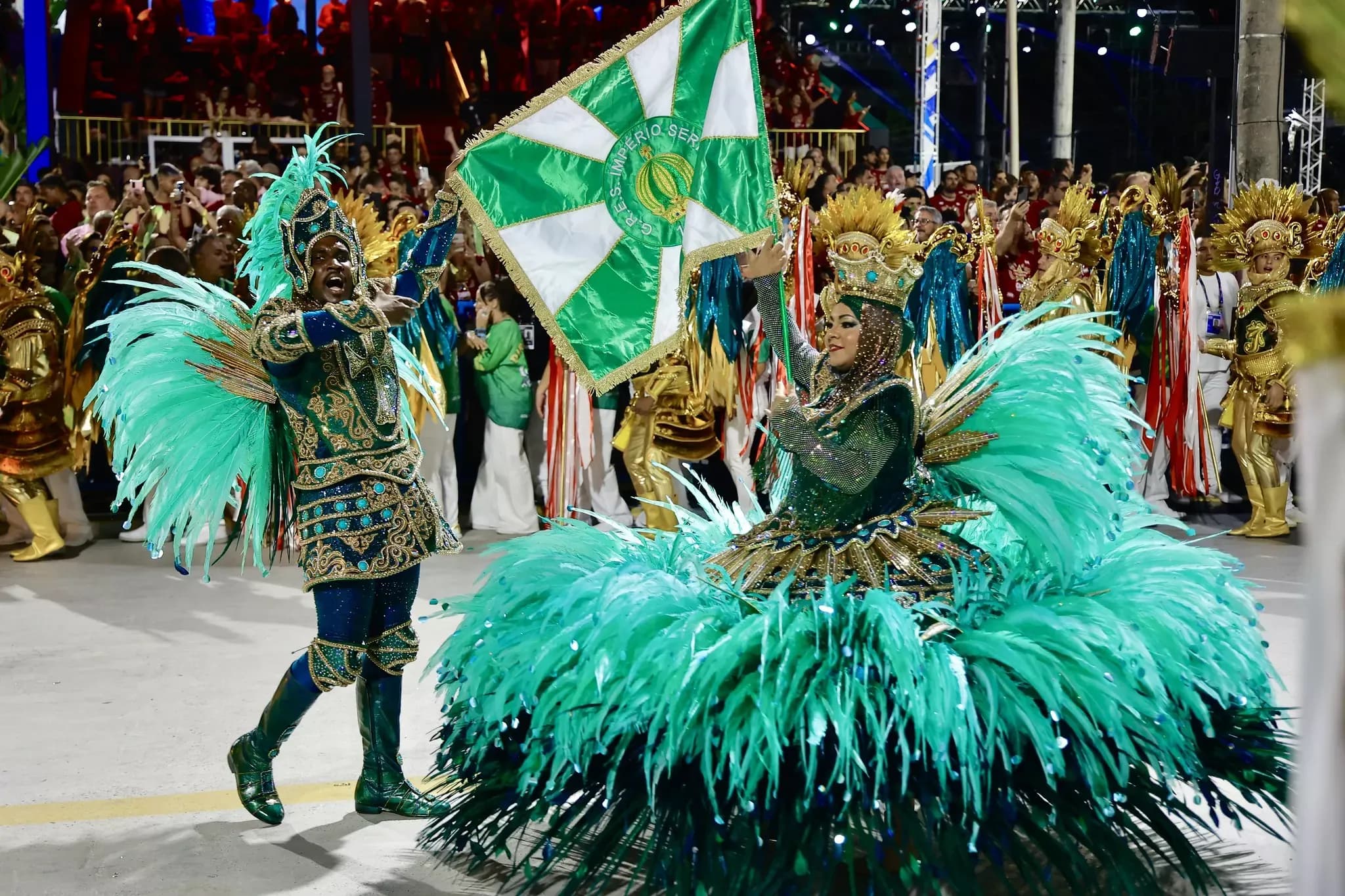
The pavilion: the ultimate symbol of a community's resilience and pride.
Cariocas and the Sambista: Schools vs. The Blocos de Embalo
For those rooted in tradition, there’s a vital difference. Samba Schools focus on competition, storyline and technical rituals. Blocos de Embalo (such as the iconic Cacique de Ramos), on the other hand, focus on the trance of rhythm. They do not compete for points; they ‘rock’ the crowd with hypnotic drumming. If the School is the narrative, the Bloco de Embalo is pure conviviality.
Blocos de Embalo: the power of rhythm that unites people without the need for judges.
Blocos vs. Sambadrome: The balance between Chaos and Order
Rio celebrates in two ways. The Sambódromo is the temple of technique and national pride. The Street Carnival, on the other hand, represents ‘horizontal revelry,’ without ropes or tickets, where the soul of Rio renews its freedom. To plan your route for the 2026 blocos, check out the Portal Visit Rio.
The democratic occupation of the streets: where revellers rule the city.
The Year-Round Cycle: Why does Carnival never end?
For samba dancers, Ash Wednesday is the first day of the next Carnival. The quadras function as social centres throughout the year. Carnival is the identity of Rio because it is the only time when the city truly feels like it owns itself. You can feel this energy all year round at the Technical Rehearsals at LIESA.
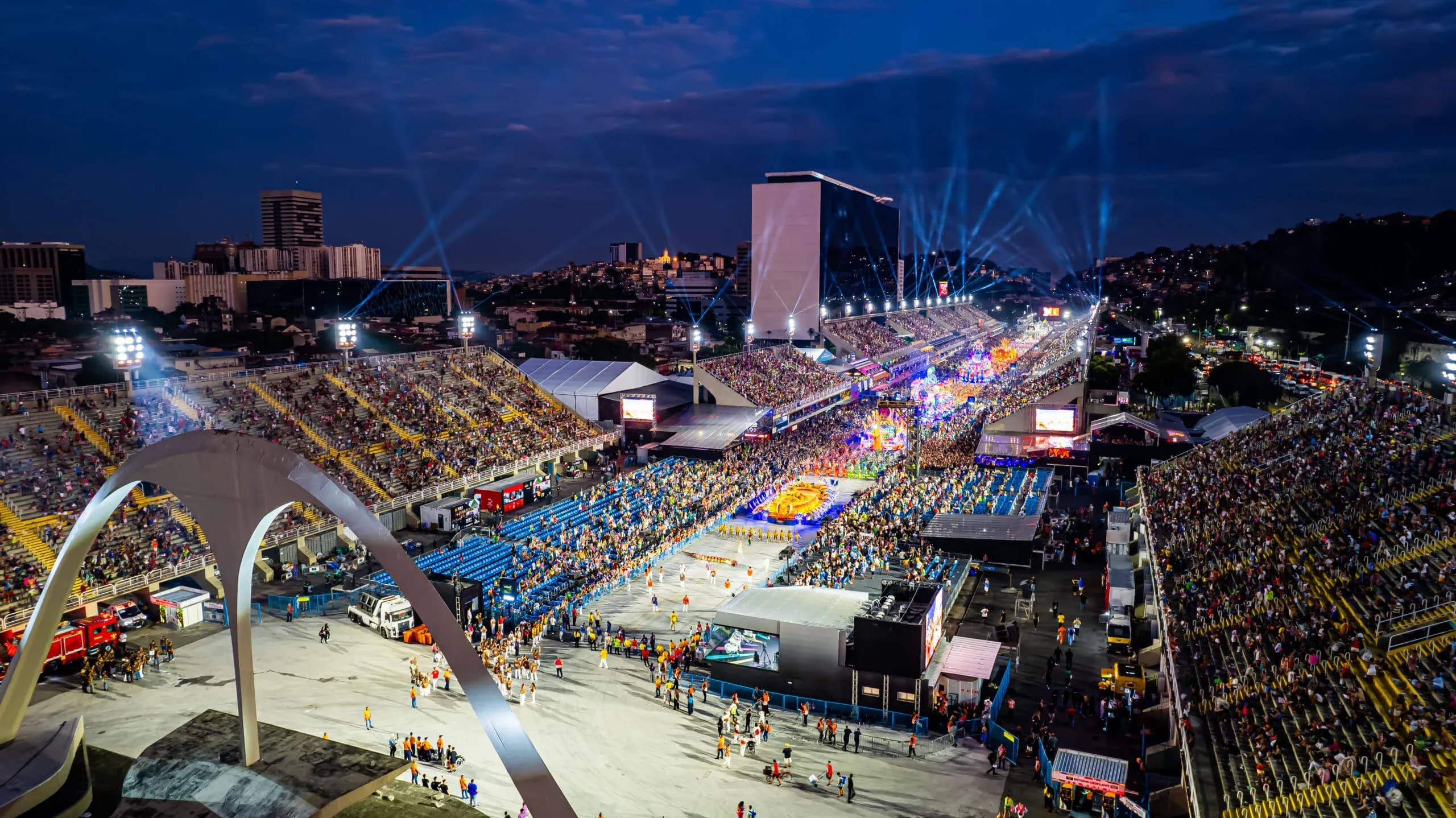
Carnival is not an event, it is a process: a whole year's work for four days of glory.
Are You Ready to Live This Story First-Hand?
Now that you know the soul, the ‘why’ behind the Bahian women's spinning, and the resistance that runs through the veins of samba, you are one step ahead of any ordinary tourist. But in practice, how can you navigate this sea of people in 2026 without getting lost?
How to choose between the luxury of Sapucaí and the sweat of the street blocks? Where are the most authentic blocks and how to prepare for the marathon of revelry?
Heading to Rio this year? Check out our Complete Guide to Rio Carnival 2026.
#Brazil#Rio de Janeiro#Festival#Carnival2026#Carnaval2026#Brasil