
Venice has confirmed its day-tripper entry fee for 2026, with around 60 peak dates between April and July. Here’s what you need to know, and what it means if you’re planning Europe on a budget.
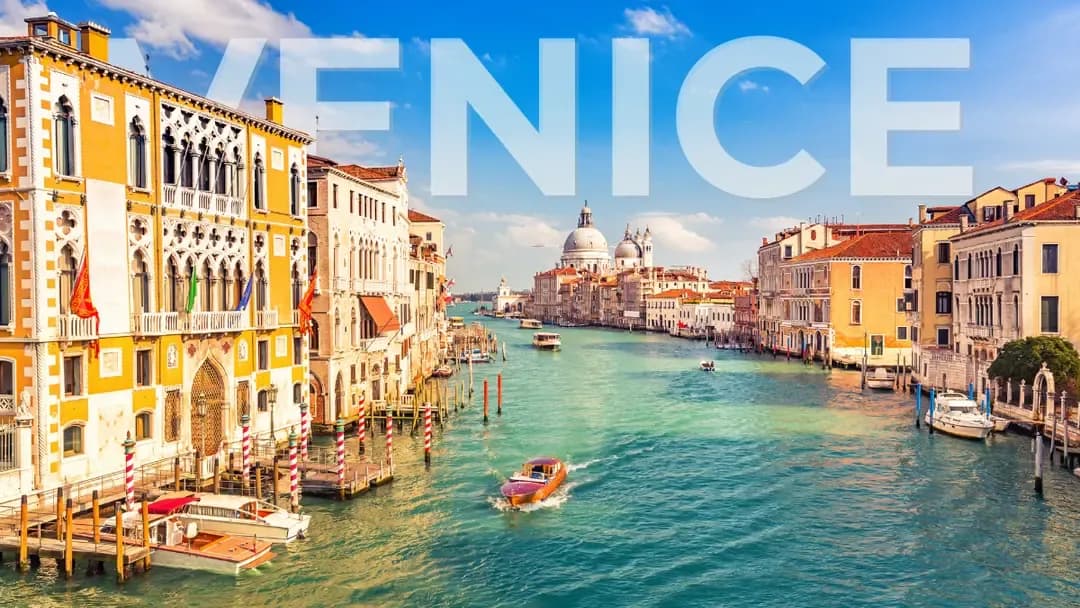
Venice has confirmed that its tourist entry fee will return in 2026, covering around 60 peak days between April and July. The structure remains similar to previous years, with a €5 to €10 charge depending on timing and booking. The policy targets day-trippers rather than overnight visitors, with residents and workers exempt.
This is no longer a one-year experiment. The city trialled the system in 2024, continued it in 2025, and has now extended and structured it for 2026. When a city repeats and expands a policy like this, it signals confidence in the direction.
The fee doesn’t hit people staying overnight. It hits short-stay visitors entering on high-traffic dates. That means the classic “train in, see St Mark’s Square, take photos, leave by evening” approach now comes with friction.
For backpackers and budget travellers moving quickly across Europe, that matters. Not because €5 is dramatic on its own, but because it adds to a growing stack of small costs.
Europe doesn’t feel expensive in one big moment. It becomes expensive gradually. Tourist taxes, baggage fees, fluctuating train prices, and now access charges. If you’re changing cities every two or three days, those small additions build up fast.
Venice isn’t breaking your budget. It’s just another layer.
For years, Venice has struggled with overtourism. Cruise ships, overcrowded alleys, shrinking residential populations. The city has made it clear it does not want to eliminate tourism. It wants to manage volume.
Introducing a fee on peak days is a filtering mechanism. It nudges behaviour without banning access. The city is effectively saying that if you want to visit during the busiest periods, you contribute directly to the strain you create.
That approach prioritises longer stays over quick visits. It rewards travellers who embed themselves slightly more, rather than passing through at speed.
Venice is the most visible example, but it’s part of a wider shift across Europe. Cities are raising accommodation taxes, restricting short-term rentals, and experimenting with crowd control systems. None of this is dramatic in isolation. Together, it reflects a change in attitude.
Europe is no longer chasing maximum volume. It is managing it.
For budget travellers, this doesn’t mean Europe is closed. It means the old formula of constant, rapid city hopping is becoming less forgiving. Fewer stops and longer stays stretch money further than trying to tick off five headline cities in ten days.
Venice is still worth visiting. The architecture, the atmosphere, the history, none of that disappears because of a small entry charge. What changes is how casually you can treat it as a quick stop between other cities. It becomes something you plan around rather than squeeze in.
If you’re building a Europe trip on a tight budget, the adjustment is simple but important. Moving slower suddenly makes more financial sense than racing across borders. Staying longer in fewer places spreads fixed costs better, avoids repeat transport expenses, and reduces the number of small local taxes and access fees stacking up along the way. Travelling outside peak dates matters more than ever, and secondary cities start to look far more attractive when you factor in both cost and breathing space.
The 2026 confirmation isn’t some dramatic escalation. It’s reinforcement. Venice has reviewed the numbers and decided this approach works for them. That’s the real signal. When a city tests something, repeats it, and then expands it, others pay attention.
Budget travel in Europe still works. It just works better when you move with intention instead of momentum.