Bro's Blogs
Southern Thailand Flooding: What’s Happening
Widespread flooding in the south of Thailand, how could you help?
By Joshua Rawlinson
|(Updated May 24, 2026)· 3 min read
This article focuses specifically on the flooding currently impacting southern Thailand. For a broader overview of flooding across the region, including neighbouring countries and seasonal patterns, read our guide to flooding in Southeast Asia.
Southern Thailand Flooding: What’s Happening, Travel Impact & How You Can Help
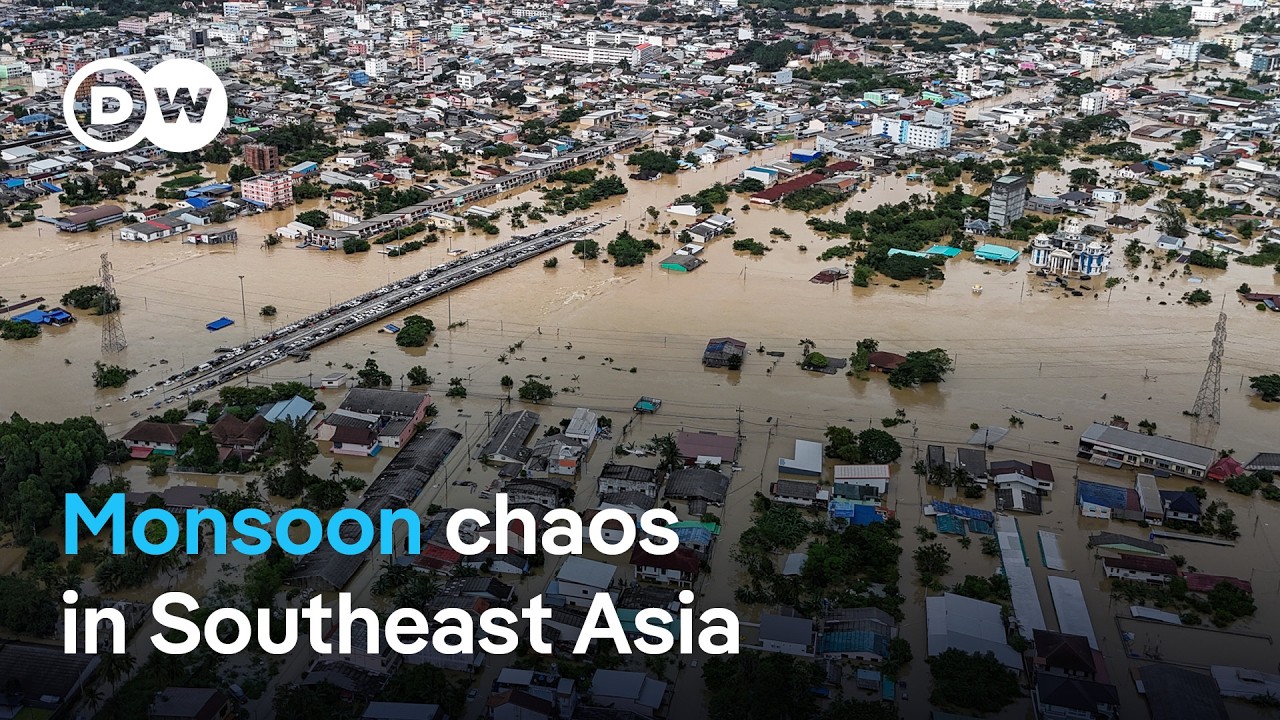
Southern Thailand Flooding 27th November 2025
When people imagine Thailand, the images that typically come to mind include tropical islands, coastal sunsets, local markets and the vibrant energy of travellers exploring day to day life abroad. The south of the country is widely recognised as a haven for relaxation and tourism, a region travellers often visit to unwind, reset, and experience a slower pace of life.
However, the monsoon season arrived with exceptional intensity this year, resulting in widespread and severe flooding across parts of the Thai southern region. Torrential rains affected multiple provinces, overwhelming local towns and rural communities. In several areas, streets were submerged entirely, effectively transforming into fast-moving waterways. Residential homes, local businesses, and markets were significantly impacted, with floodwaters forcing closures and displacing families from their properties. For many households, daily life shifted abruptly into emergency response, with residents focused on protecting their families, livelihoods, and personal safety.
While major tourist cities such as Phuket and Krabi possess infrastructure that supports rapid recovery, the scale of disruption in less commercialised areas underscored the broader human impact of seasonal natural events. The flooding has highlighted the resilience of local communities while also drawing attention to the urgent need for coordinated relief, essential supplies, and formal humanitarian support.
Should Travellers be Worried?
Tourist hotspots including Phuket and Krabi historically regain normal operations at a rapid pace following monsoon-related disruptions. Airports, main roads, and coastal attractions are typically prioritised for swift recovery because of their importance to national mobility and tourism infrastructure. Seasonal flooding has occurred in Southern Thailand for many years, and recovery systems in these areas are well practiced, efficient, and formally managed.
That said, southern flooding extends far beyond highly visited shorelines. Rural suburbs and lesser-known townships often lack immediate flood protections, insurance readiness, or rapid asset recovery support. While ferries, transport routes, and tourist services resume quickly in major hubs, residential districts face longer rebuilding timelines, complex loss assessments, and ongoing relief needs even after the water levels fall.
For travellers currently in southern Thailand or planning a visit, there is no need for concern regarding general travel safety when following official local guidance, avoiding unnecessary movement into affected rural zones, and keeping travel plans flexible during the wet season.
If You Want to Help, Here's what You Need to Know
If you’re serious about providing support, a detailed breakdown of how to donate has been shared in a recent article from The Nation. The article includes verified information for financial contributions and ongoing flood-relief efforts.
For those already in Thailand, volunteering remains a meaningful option, but it carries the most impact when organised through local aid networks or relief groups on the ground. Above all, assistance should be respectful, coordinated, and directed to communities that are currently affected.
If you can help, now is the time. Show up where it matters, support the people who need it, and offer help in ways that truly contribute to long-term recovery.
Want to come back to this?
#Thailand#Floods#Asia
Comments
No comments yet. Be the first to share your thoughts.