
Thailand prepares for Songkran in April with increased train availability amid flight and travel uncertainty.
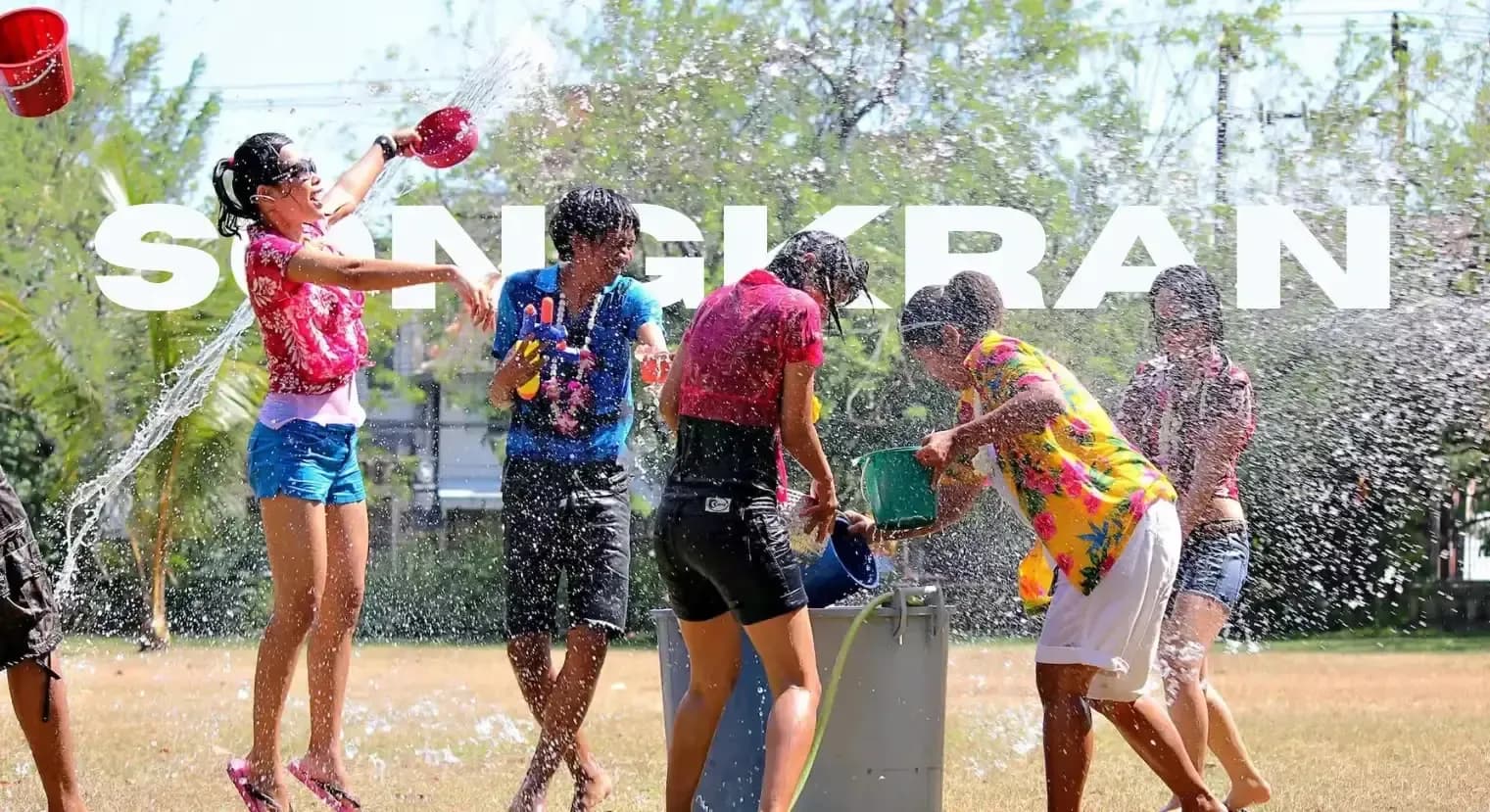
Songkran is Thailand’s traditional New Year, held every April. Officially, it’s about cleansing and fresh starts. In reality, it’s full-scale chaos and it’s incredible.
The water fights come from an old tradition of gently pouring water over elders’ hands and Buddha statues to wash away bad luck. That still happens in temples. Everywhere else, it’s been replaced by buckets, hoses, ice, and zero mercy.
I spent Songkran 2025 in Chiang Mai and I’d do it again every year without thinking twice. Once it starts, nowhere is safe. Streets, cafes, taxis. Leave your hotel and you’re getting soaked with ice-cold, shock-your-soul water.
It’s cheaper than you’d expect too. I was spending around £70 a day including food, a lot of beer, and being out all day. One rule only: waterproof your stuff or leave it behind. If you think you’ll stay dry, you won’t.
Chiang Mai doesn’t need an official title. It just ends up being the place everyone points to when you ask where Songkran really hits.
Part of it is timing. Songkran lasts longer here, so it never feels rushed. The Old City moat keeps everything flowing too, turning the whole area into one nonstop splash zone instead of random hotspots.
But what really makes Chiang Mai special is the balance. You’ll see proper New Year traditions happening in temples while full-on water fights explode right outside. Neither takes over. And it never feels staged for tourists. Locals are just as deep in it.
Ayutthaya offers a much calmer, more traditional take on Songkran. The focus is on temple ceremonies, merit-making, and symbolic water pouring rather than street-long water fights. You’ll still see people splashing water around the historic park, but it’s gentle and respectful. Perfect if you want the meaning of Songkran without the madness.

Phuket mixes Songkran with beach life. Patong and Bangla Road turn into splash zones, with water fights spilling out of bars and clubs throughout the day. It leans more towards nightlife than tradition, but if you want sun, sea, and chaos in one place, it works.

Pattaya stands out because it just keeps going. After the main Songkran dates end, the Wan Lai Festival stretches celebrations well into the following week. Expect water fights during the day and heavy nightlife at night, especially around Beach Road and Walking Street. Less cultural, more party.

Bangkok’s Songkran is all about scale. Roads like Khao San and Silom shut down and turn into packed water-fight corridors with DJs, stages, and massive crowds. You’ll also find proper New Year rituals and temple activity across the city. It can feel intense and tourist-heavy, but if you want big energy, Bangkok delivers.

Chiang Mai is the benchmark. The festival takes over the Old City, the moat keeps the water flowing, and the celebrations don’t stay confined to one street. Traditional ceremonies still happen during the day, while full-scale water fights dominate from midday onwards. It’s one of the few places where Songkran feels both deeply cultural and completely unhinged at the same time.

Songkran sounds mad on paper and somehow even madder in real life. You either read this and think that looks unreal or yeah, absolutely not. Both reactions are fair. But if Songkran does one thing well, it’s giving you a story you won’t forget.
If you’ve done Songkran before, I’d genuinely love to hear where you celebrated and what it was like. And if you’re thinking about going, drop me a message on Instagram. I’d love to keep updating this with real opinions from people who’ve been there.
Questions? Ask on our Reddit community r/budgetbro