Holi... Festival. All bout Sri Lanka's Hindu festival in March 2026.
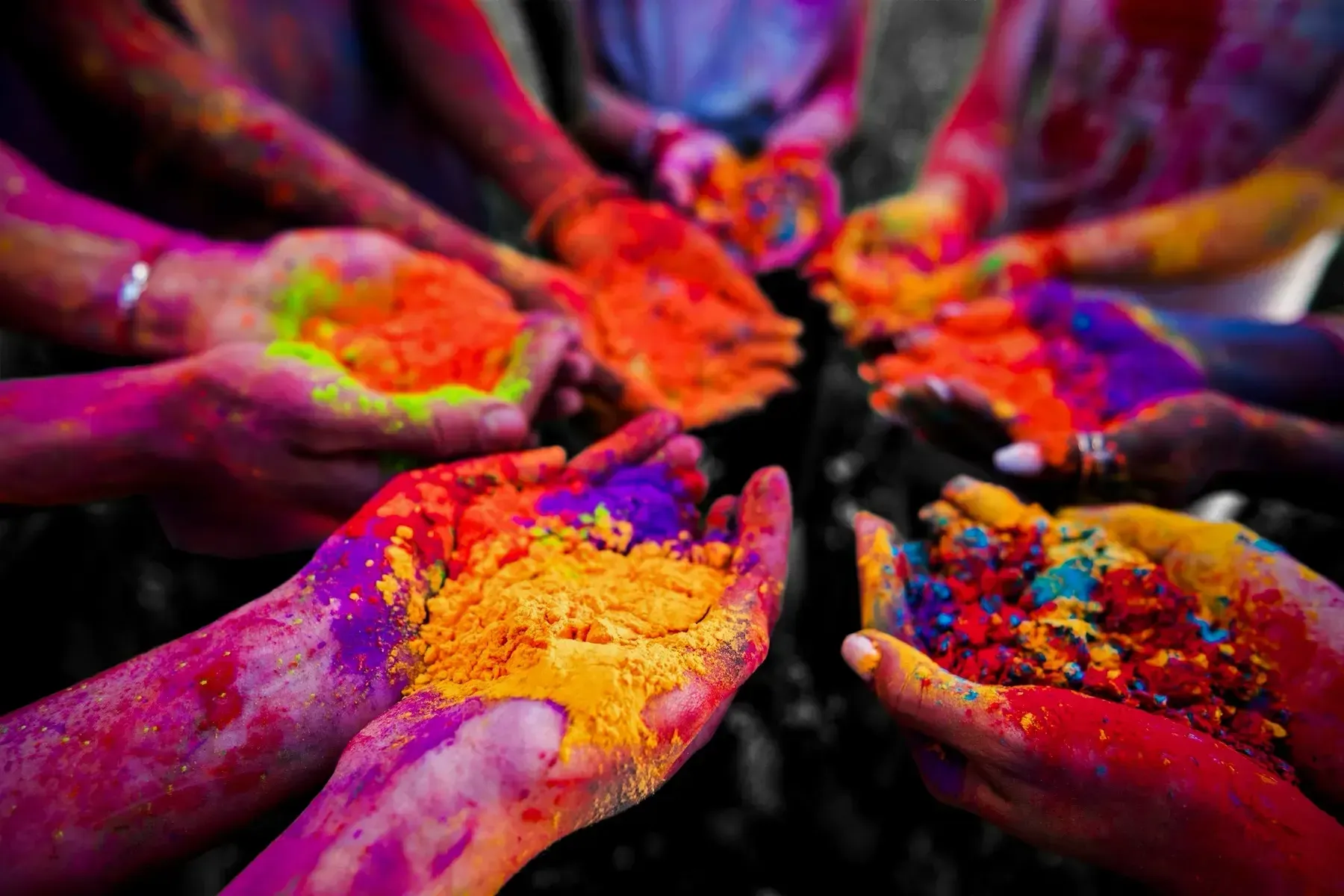
Holi took place this year on 4th March, 2026, marking the Hindu festival of colours that celebrates the arrival of spring and the victory of good over evil. Around the world it’s known for huge street parties, coloured powder flying everywhere and music loud enough to shake buildings. Sri Lanka celebrates it too, just on a much smaller scale.
The reality is Holi here isn’t something that takes over entire cities like it does in India. Instead, most of the celebrations happen within Hindu communities, around temples, community gatherings and organised cultural events. If you were travelling through Sri Lanka this week you probably wouldn’t see massive street closures or crowds filling every road. What you might have seen instead are pockets of colour appearing across different parts of the country.
Colombo saw some of the most visible celebrations this year. One of the events took place at India House, where officials and members of the Indian High Commission marked the festival with the traditional throwing of coloured powder and community celebrations. It’s a smaller event, but one that happens most years and reflects the cultural ties between India and Sri Lanka.
At the same time, Holi is increasingly becoming something that entertainment venues and event organisers are leaning into. This year City of Dreams Colombo launched a three-day event called Signature Holi Rush, running from 6-8 March. The resort turned its pool area into a colour zone, hosting live music, DJs and a Holi-themed celebration designed to capture the same playful chaos the festival is known for.
These kinds of organised events are becoming more common, especially in larger cities where both locals and visitors are looking for a way to experience the festival in a more social setting.
Holi is rooted in Hindu tradition and begins the night before with Holika Dahan, where a ceremonial bonfire symbolises the burning away of evil and negativity. The following day is when the real celebration happens.
People throw coloured powder, known as gulal, over friends and family. Music plays, people dance, and the whole idea is that social boundaries temporarily disappear. Age, status and background stop mattering for a few hours because everyone ends up looking exactly the same once they’re covered head to toe in colour.
Even though Sri Lanka’s celebrations are smaller, the meaning behind the festival remains exactly the same.
What makes Holi in Sri Lanka interesting is that it often feels accidental rather than planned. Travellers rarely build an entire itinerary around it because the celebrations are scattered and community-based.
You might see groups celebrating near a temple, you might see an organised event in a hotel or park. Or you might not realise it’s happening until someone walks past with bright pink powder across their face.
It’s quieter than India’s version of the festival, but the atmosphere is still there. Laughter, colour and people enjoying the excuse to forget normal life for a few hours.
And honestly, sometimes those smaller, unexpected celebrations are the ones that end up sticking with you the most.