Bro's Blogs· 4 min read
Why Bali’s Kelingking Beach Lift Sparked Backlash
A project that made sense on paper and failed in reality. This is the full story behind the Kelingking Beach lift.
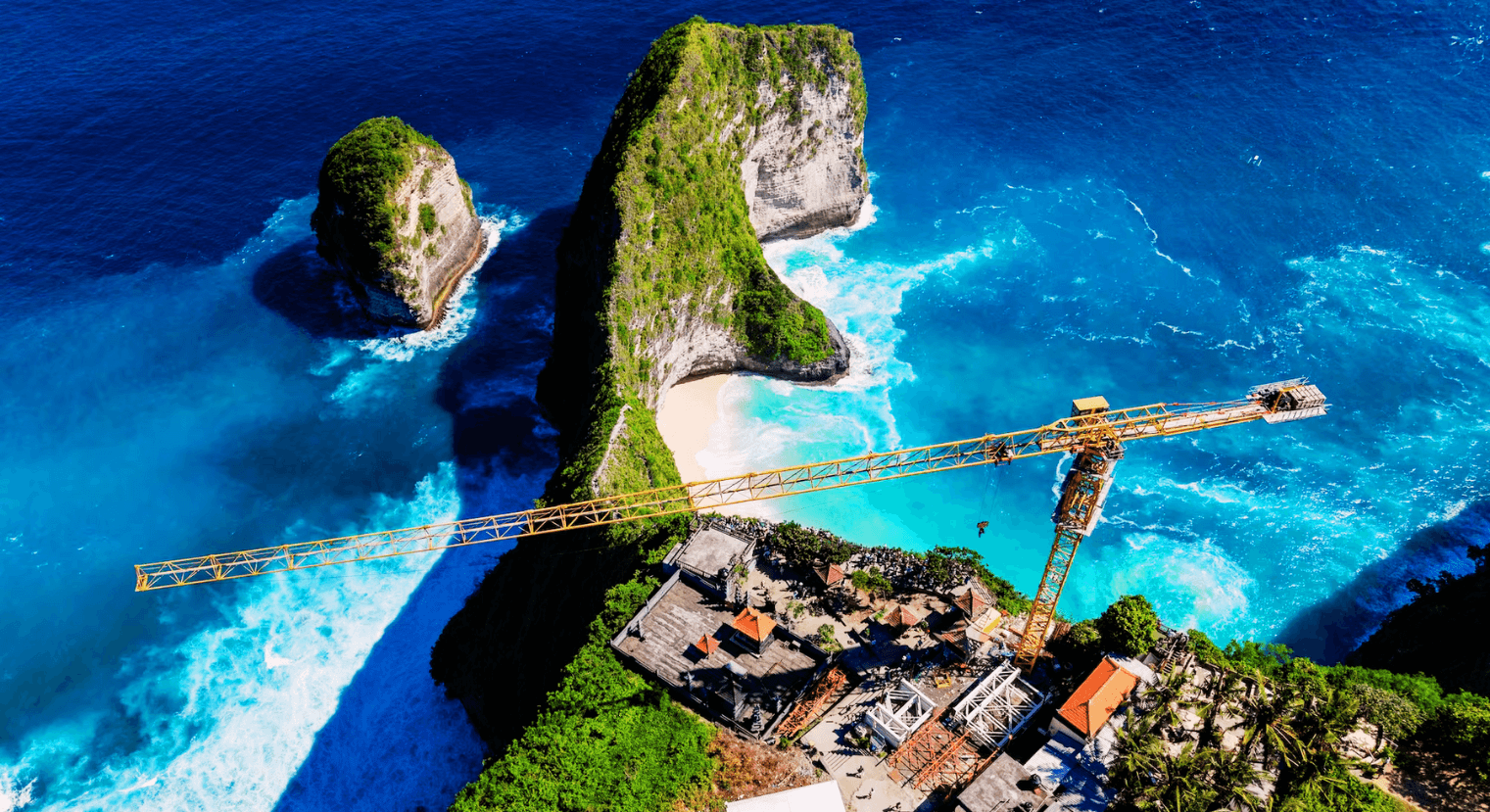
What Actually Happened With the Kelingking Beach Lift
Kelingking Beach has never been easy, and that’s kind of the point. The viewpoint is insane, the photos do all the talking, and the walk down is brutal enough to scare people off halfway. Every day someone slips, turns back, or realises too late they’ve underestimated it.
So when I heard a lift was being built, I didn’t instantly hate the idea. That’s the uncomfortable part. On paper, it made sense. In reality, it turned into one of the most controversial tourism projects Bali has seen in years.
The Idea That Didn't Come Out of Nowhere
The plan was simple. Install a tall, glass elevator down the cliff at Kelingking Beach, making access safer and easier. Less exhaustion. Fewer injuries. More people reaching the beach without risking it on a narrow dirt path.
If you’ve ever watched someone freeze halfway down that staircase, clinging to a handrail while tourists stack up behind them, the appeal is obvious. This wasn’t pitched as a theme park ride. It was sold as accessibility. Safety. Controlled tourism. But once construction started, perception changed fast.
When It Became Impossible to Ignore
Photos of the structure started circulating online in 2025, and that’s when things exploded. A towering steel and glass shaft cutting straight through one of Indonesia’s most iconic coastal landscapes. The problem wasn’t subtle. You could see it from the viewpoint. From the water. From almost every angle that made Kelingking famous in the first place.
For locals, it felt invasive. For many travellers, it felt like something that belonged in a city, not carved into a cliff that had stayed mostly untouched for decades. And almost overnight, the conversation stopped being about safety. It became about identity.
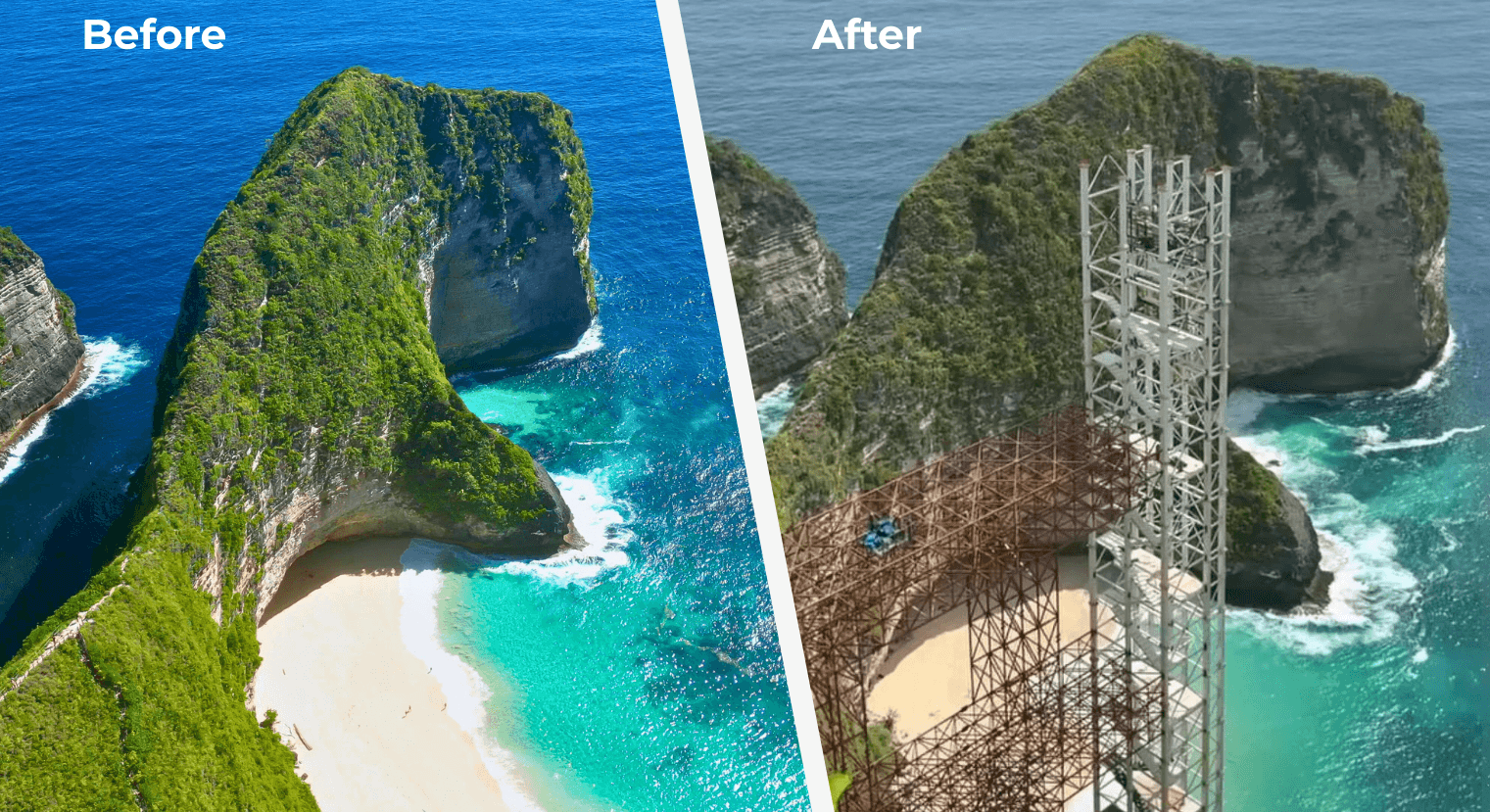
The Permits Nobody Could Agree On
As backlash grew, officials started digging into how the project was approved in the first place. That’s where things got messy. Different agencies appeared to have approved different parts. Some permits existed. Others didn’t. Key approvals around spatial planning, environmental protection, and disaster mitigation were either missing, incomplete, or contested depending on who you asked.
By the time provincial authorities stepped in, construction was already well underway. Eventually, Bali’s governor Wayan Koster ordered the project halted, and later, fully dismantled. The developer was given months to remove the structure and restore the site.
The decision was celebrated online. But it also raised a quiet question that never really got answered. Why did it get this far in the first place?
The Part People Don't Like Talking About
Here’s where it gets awkward. Kelingking Beach is already overcrowded. It’s already over-photographed. It’s already suffering from foot traffic, erosion, and unmanaged visitor flow. The staircase itself was never designed for the volume of people using it today.
So when people say “this lift would’ve ruined the place”, they’re probably right. But pretending the place wasn’t already under strain feels dishonest too. The lift didn’t create the problem. It exposed it.
Tourism, Just Without Saying the Quiet Part Out Loud
Bali has spent years trying to walk a tightrope. Promote tourism, but not too much. Build infrastructure, but keep it invisible. Make money, but don’t change anything. That’s an impossible balance. The Kelingking Beach lift wasn’t rejected because it was the first sign of overtourism. It was rejected because it made overtourism visible.
It forced a question nobody really wants to answer. How do you manage places that are globally famous, fragile, and still expected to support local economies? There’s no lift-sized solution to that.
So Was It a Bad Idea?
Probably. Was it evil? That’s harder to say. It tried to solve a real problem in a place that may already be beyond simple fixes. It failed because of scale, aesthetics, regulation, and timing. But also because it asked people to confront a version of Bali they’d rather not acknowledge.
One where untouched doesn’t really mean untouched anymore. The lift will be removed. The cliff will heal, at least visually. The staircase will still be there. The crowds will still come. And the question that started all of this will remain unanswered.
What do you do when a place becomes too famous for its own good?
#Bali#Indonesia