Bro's Blogs· 6 min read
Ha Giang Loop Backpacker Travel Insurance
Breaking down the current travel insurance options for backpackers covering the Ha Giang Loop in Vietnam.
Last updated: 4th January, 2026
Travel Insurance Isn't Sexy Until You Need It
Ha Giang Loop Backpacker Travel Insurance
No one plans to get injured while travelling. No one books a flight thinking about hospital bills or insurance paperwork. It’s one of those things you buy quickly, half-annoyed, and hope you never have to look at again. But after years on the road and listening to backpackers swap horror stories in hostels, one thing becomes pretty obvious. Travel insurance is only boring right up until the moment you need it.
Lost phones. Broken bones. Scooter crashes. Food poisoning that turns into a hospital stay instead of a rough night. None of it feels rare once you’ve been travelling long term. It happens more than people like to admit, especially when you’re moving fast, changing countries, riding bikes and doing things you probably wouldn’t do at home. That’s exactly why backpacker-specific insurance exists in the first place.
Backpacker Insurance Isn't the Same as Holiday Insurance
Most standard holiday insurance is built around a very specific idea of travel. A week or two away. A hotel. Some sightseeing. Maybe a boat trip. Backpacking doesn’t look like that at all.
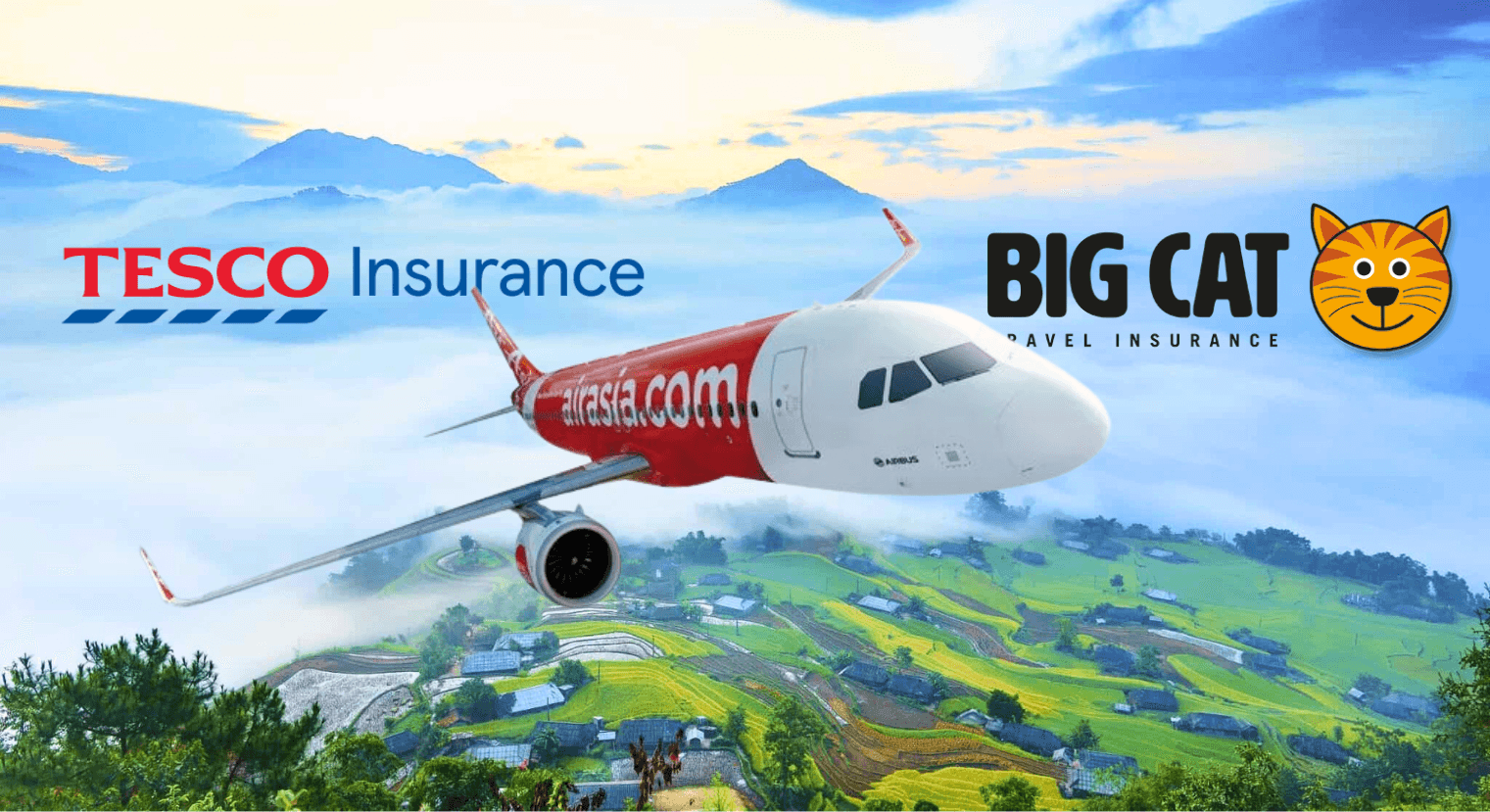
You’re moving countries, riding scooters, hiking, diving, taking overnight buses, staying in hostels and stretching trips far longer than planned. Backpacker insurance is built for that reality. Longer cover periods, multi-country travel, and fewer problems when your plans change for the third time in a month. That’s where policies like those from Tesco Insurance actually start to make sense.
The flexibility is the key part. Because let’s be honest, most backpackers book a rough route, then completely ignore it once they meet people or hear about somewhere better.

What Tesco Backpacker Insurance Actually Covers
Tesco’s backpacker insurance comes in two versions: Backpacker Economy and Backpacker Premier, and the difference between them matters more than people think. Economy is cheaper, but it comes with a £99 excess on most claims. Premier removes the excess entirely. That sounds boring until you realise how often small claims actually happen on long trips.
Medical cover is strong on both. Economy covers emergency medical expenses up to £10 million, while Premier increases that to £20 million. That includes hospital treatment, surgery and emergency repatriation if you need to be flown home. This is the cover that protects you from five-figure bills, not the lost flip-flops.
Trip cancellation and curtailment is where the gap really opens up. Economy only covers up to £1,000, while Premier goes up to £10,000. If you’ve booked long-haul flights, internal flights or paid upfront for anything expensive, that cap matters. Baggage cover jumps too. Economy covers belongings up to £1,000 with a £250 single-item limit. Premier increases that to £3,000 total and £500 per item, which is far more realistic if you’re carrying a phone, laptop or camera.
You also get cover for delays, missed departures, lost documents and access to a remote GP service so you can speak to a doctor in English while abroad. It’s broad, general backpacker cover. Solid for long trips and multiple countries, as long as you’re not doing anything too extreme.
Big Cat Insurance and the Ha Giang Loop Reality
Big Cat Travel Insurance is far more specific, especially when it comes to Vietnam and motorbikes. Their Ha Giang Loop policy exists because standard travel insurance often quietly stops working the moment a motorbike is involved.
Medical and emergency evacuation cover goes up to £10 million, which is more than enough for serious accidents and repatriation. Policies can run for up to 24 months, so it works for long-term backpackers, not just short Vietnam trips.
The important part is how they handle motorbikes. If you’re doing the Ha Giang Loop as a passenger with an easyrider, you’re covered automatically. No licence required. No activity add-on. That’s a big deal, because a huge number of travellers do the loop this way.
If you’re riding yourself, the rules are strict. Riding up to 125cc is covered without an activity pack only if you hold the correct licence and follow local laws. Anything above 125cc requires an activity add-on. Helmets are mandatory, and an International Driving Permit only counts if your home licence already allows you to ride that bike. Big Cat is unusually clear about this, which is rare in insurance wording.
One thing they’re upfront about is liability. There’s no personal liability cover while riding a motorbike. Medical costs can be covered, but damage to other people or vehicles depends on the bike’s own insurance. That’s something most travellers don’t think about until it becomes a problem.
Gen Z Problems With Insurance and How to Actually Get It Right
Gen Z doesn’t avoid travel insurance because they don’t care. They avoid it because the industry talks like it’s trying to scare you into buying something you don’t understand. So people do what feels logical. They buy the cheapest policy, skim the headline cover and assume it’ll work itself out if something happens. Most of the time, nothing does happen, which only reinforces the idea that insurance was pointless anyway... Until it isn’t.
The real issue isn’t buying insurance. It’s buying insurance that doesn’t match how you travel. Long-term trips, moving countries, riding scooters, doing things that aren’t extreme but definitely aren’t sun-lounger safe. That gap between reality and policy wording is where people get caught out.
Choosing insurance properly is less about brands and more about honesty. Be honest about how long you’re travelling. Be honest about whether you’ll ride a bike. Be honest about whether you’ve booked flights or gear you can’t afford to replace. If your trip is open-ended and multi-country, a backpacker policy like Tesco’s fits that reality. If you’re doing something specific and higher risk, like riding the Ha Giang Loop, you need insurance that spells those conditions out clearly, not one that hides them behind vague wording.
The biggest mistake is thinking optimism counts as coverage. It doesn’t. Travel insurance isn’t about expecting the worst. It’s about protecting the version of you who’s tired, stressed, injured or stuck somewhere unfamiliar and just wants the problem handled so the trip doesn’t end early.
Insurance still isn’t sexy. But neither is explaining to your family why your trip ended because you tried to save money in the one place you shouldn’t have.
So, are you buying travel insurance for your trip? I hope so.
#Travel Insurance#Vietnam