
Europe or Southeast Asia? This guide breaks down the real pros, cons and trade-offs backpackers face when choosing where to travel in 2026.
Choosing your 2026 backpacking destination is exciting, but also confusing. Southeast Asia has long been the ground zero for budget travellers. Europe, meanwhile is seeing a resurgence of long-term, slow-paced backpacker routes with smooth logistics and massive variety.
So what's actually worth your time, budget, and passport pages? Let's break down the good, the hard and everything in-between.
Europe
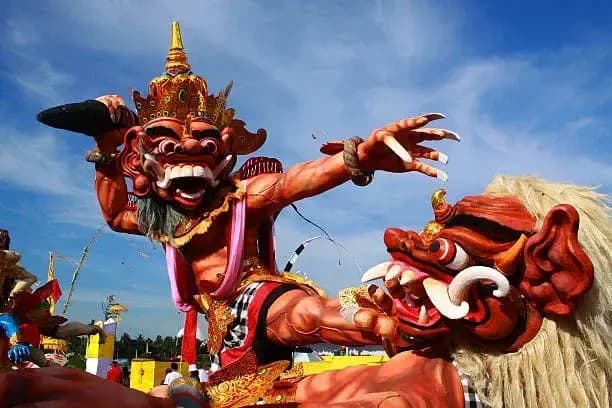
Europe feels built for movement. Old cities stacked with history, museums you actually want to spend time in (or not), and train routes that make hopping between countries feel almost too easy.
It’s social without being forced, organised without feeling boring, and ideal if you like variety without friction.
There’s comfort in how predictable Europe is. Everything works, everything connects, and you always know where you stand. That structure comes at a cost though, and depending on where you are, Europe can feel noticeably more expensive and lacks the picturesque beaches like its counterpart, Southeast Asia.
Southeast Asia
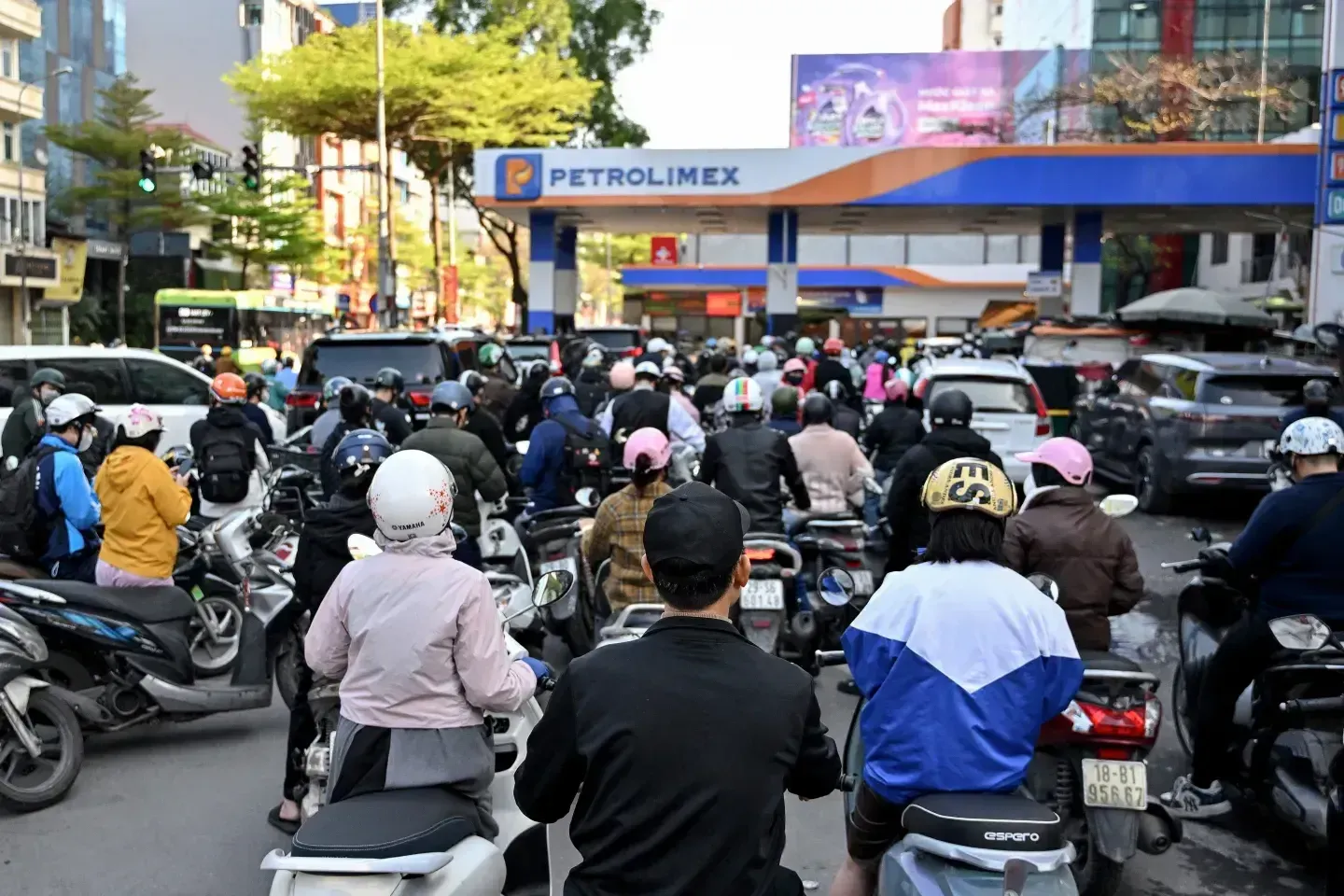
Southeast Asia is less polished and far more fluid. It’s islands and temples, night markets and roadside food stalls, long bus rides, scooters, and backpacker routes you never plan but somehow end up on anyway. Days blur together in the best way, and places you thought you’d pass through often turn into your new overseas residence.
It’s cheaper, messier, and much more open-ended. You meet people, swap stories, follow recommendations, and let the trip shape itself. Things don’t always run on time, and that’s part of the experience rather than a problem.
Here’s the truth most travellers don’t like hearing: budgeting is the backbone of any long and successful trip. Ignore it and things slowly drift out of control without you even noticing. A few extra nights here, one too many “it’s only a tenner” moments there, and suddenly you’re booking a flight home way earlier than planned. Which sucks.
Below is a simple table that breaks down the main expense categories, so you can see at a glance where your money actually goes and how Europe and Southeast Asia really compare day to day. These figures are averages pulled from multiple sources, so your real-world costs will vary depending on how you travel, where you go, and the choices you make along the way.
Europe
Europe tends to reward travellers who already know how they like to travel. The history is deep, the cities are dense, and everything works the way you expect it to. Trains run on time, borders are easy, and moving between countries feels smooth and controlled. You can spend a morning in a museum, an afternoon wandering old streets, and still know exactly where you’re sleeping that night.
For many travellers 25 and over, this predictability is part of the appeal. Europe allows you to enjoy culture without the constant friction. You still get variety, but it comes wrapped in comfort, structure, and familiarity. Social scenes exist, but they’re often more intentional. You dip in and out rather than being thrown into it. It’s not boring, it’s just less chaotic, and that’s often appreciated once you’ve done a few long trips already.
Southeast Asia
Southeast Asia thrives on movement and unpredictability. Street life spills everywhere, street drains stink, plans change hourly, and travel days are part of the story rather than something to minimise. Scooters, night markets, temples, long bus rides, and shared hostels create an energy that’s hard to replicate anywhere else.
This is where 18–25 year olds often feel most at home. The pace is faster, the social scene is constant, and the line between travel and everyday life blurs quickly. You meet people easily, stay longer than planned, and bounce between places based on conversations rather than itineraries. It can be chaotic and tiring, but it’s also where most first big travel memories are made.
The Real Difference
Europe offers layered culture with structure. Southeast Asia offers immersion with momentum. Younger travellers often lean towards the freedom and energy of Asia, while older travellers tend to value Europe’s ease and reliability more. Neither is better, they just suit different stages of travel and different personalities.
Honestly, there will always be a divide between the two. One will never truly beat the other. Backpacking in Southeast Asia feels like throwing your younger self into pure chaos in the best possible way. It’s loud, unpredictable, social, and full of moments you never planned for.
Europe, on the other hand, often feels like the next natural step. It’s the kind of place many people come back to once they’re a bit older, a bit more settled, and sometimes able to work online, where higher daily costs don’t hit quite as hard.
However you look at it, both regions deserve their time. Travel isn’t about picking a winner. Never say never. Be rich in experiences, my friend.
This is where a lot of overspending actually starts. Before you even arrive anywhere, money’s already leaking out, especially if you’re heading to Southeast Asia. Some costs are unavoidable, flights being the big one, but there are plenty of ways people burn cash here without realising it. Simple choices like avoiding overnight layovers or refusing budget airlines can cost you hundreds. We’ll get to that.
If you’re 25 or under, you’ve probably seen endless TikToks titled “What I packed for 3 months in SEA”. Trust me, don’t listen to them. If you’re going to Southeast Asia, take half of what you think you need and buy the rest when you arrive. Clothes are cheap, available everywhere, and suited to the climate. You’ll save a serious amount of money and travel lighter at the same time. This approach is so underrated it’s almost criminal.
Insurance is another one people downplay. It’s not a massive cost, but it has to be factored in. Do your research and pick something that actually fits how you travel. If you’re unsure, I’ve covered this properly in my Best Travel Insurances blog.
Now flights. The real wallet killer. If you’re travelling for three months or more, why are you paying a premium to fly straight through the Middle East on expensive airlines? Honestly, why. A slower route using budget airlines, breaking the journey into short stops, can save you a fortune and give you extra experiences along the way. Spending 12 to 24 hours in new countries beats sitting in an airport lounge. I wrote a full breakdown on this in my Slow Travel Guide.
One cost people constantly overlook is an International Driving Permit (IDP). It’s only £5. Get it. Renting a scooter without one can invalidate your insurance, and that’s a mistake you don’t want to learn the hard way.
Then there’s your backpack. If you’re travelling long term, this is not where you cut corners. A proper backpack will save your back and your sanity. Osprey have been everywhere the last few years for a reason. I’ve had mine since 2019 and I don’t see myself replacing it anytime soon. I paid £80 back then. These days they’re closer to £150–£180, but it’s still money well spent.
TLDR moment? Don’t follow the crowd. Make smarter choices before you even leave and you’ll save enough to fund an extra one or two weeks in Southeast Asia. That alone should be reason enough.